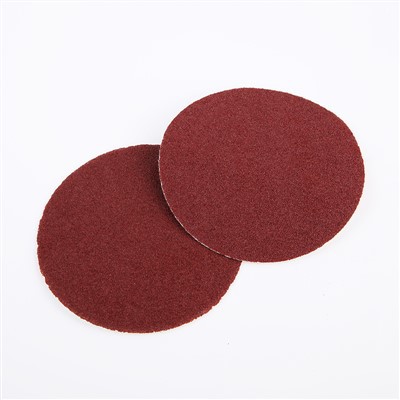
When it comes to the question of whether a stone abrasive wheel can be used for grinding glass, it's a topic that combines the principles of materials science, abrasion technology, and practical application. As a supplier of Stone Abrasive Wheels, I've encountered this query numerous times from customers in various industries, including glass manufacturing, artisanal glasswork, and even DIY enthusiasts. In this blog, I'll delve into the technical aspects, advantages, limitations, and practical considerations of using a stone abrasive wheel for grinding glass.
Technical Aspects of Grinding Glass with a Stone Abrasive Wheel
Glass is a hard and brittle material, composed mainly of silica (SiO₂) with various additives to modify its properties. Grinding glass involves removing small amounts of material to achieve a desired shape, smoothness, or finish. The process requires an abrasive that can effectively cut through the glass without causing excessive chipping or cracking.
Stone abrasive wheels are made from natural or synthetic stones, such as silicon carbide or aluminum oxide, bonded together with a resin or vitrified bond. These abrasives have a high hardness and sharp cutting edges, which are essential for grinding hard materials like glass. The grit size of the abrasive wheel determines the fineness of the cut. Coarser grits are used for rough grinding and material removal, while finer grits are used for finishing and polishing.
When a stone abrasive wheel comes into contact with glass, the abrasive particles on the wheel's surface exert pressure on the glass, causing micro - fractures and removing small chips of glass. The key to successful grinding is to maintain a proper balance between the cutting force and the feed rate. Too much pressure or a high feed rate can lead to chipping and cracking, while too little pressure may result in inefficient grinding.
Advantages of Using a Stone Abrasive Wheel for Grinding Glass
1. Versatility
Stone abrasive wheels can be used for a wide range of glass grinding applications, from shaping large glass panels to detailed work on small glass objects. They can be used to create bevels, edges, and smooth surfaces on glass, making them suitable for both industrial and artistic purposes.
2. Cost - effectiveness
Compared to some specialized glass - grinding tools, stone abrasive wheels are relatively inexpensive. They offer a cost - effective solution for grinding glass, especially for small - scale operations or DIY projects.
3. Availability
Stone abrasive wheels are widely available in the market. As a supplier, I can offer a variety of stone abrasive wheels with different grit sizes and specifications to meet the specific needs of my customers.
Limitations of Using a Stone Abrasive Wheel for Grinding Glass
1. Risk of Chipping
If not used correctly, stone abrasive wheels can cause chipping and cracking in the glass. This is particularly true when grinding thin or delicate glass. Special care must be taken to control the pressure and feed rate to minimize the risk of damage.
2. Dust Generation
Grinding glass with a stone abrasive wheel generates a significant amount of dust. This dust can be harmful if inhaled, and proper ventilation and personal protective equipment (PPE) such as dust masks and goggles should be used to ensure safety.
3. Limited Precision
While stone abrasive wheels can achieve a reasonably smooth finish, they may not be as precise as some other grinding methods, such as diamond - based grinding tools. For applications that require extremely high precision, alternative methods may be more suitable.
Practical Considerations for Using a Stone Abrasive Wheel for Grinding Glass
1. Wheel Selection
The choice of stone abrasive wheel depends on the type of glass, the desired finish, and the grinding operation. For example, a coarser grit wheel is suitable for rough grinding, while a finer grit wheel is better for finishing. It's also important to consider the bond type of the wheel. Resin - bonded wheels are more flexible and suitable for grinding curved surfaces, while vitrified - bonded wheels are more rigid and offer better precision.
2. Operating Speed
The operating speed of the stone abrasive wheel is crucial. Too high a speed can cause overheating, which may lead to thermal stress and cracking in the glass. The recommended speed for grinding glass with a stone abrasive wheel is typically between 1500 and 3000 revolutions per minute (RPM), depending on the wheel diameter and the type of glass.
3. Cooling
Cooling is essential when grinding glass with a stone abrasive wheel. Water or a coolant can be used to reduce the temperature and prevent the glass from cracking due to heat. The coolant also helps to flush away the glass dust and debris, improving the grinding efficiency.


Comparison with Other Grinding Tools
1. Steel Abrasive Wheel
Steel Abrasive Wheel is mainly used for grinding metals. While it has a high cutting ability, it is not suitable for grinding glass. The hardness and composition of the steel abrasive wheel are designed for metal applications, and using it on glass can cause severe damage to the glass surface.
2. Grinding Disc for Metal
Grinding Disc for Metal is also not recommended for grinding glass. Similar to the steel abrasive wheel, its abrasive properties are optimized for metal grinding, and it lacks the finesse required for glass grinding.
Conclusion
In conclusion, a Stone Abrasive Wheel can be used for grinding glass, but it requires careful consideration of the technical aspects, advantages, limitations, and practical considerations. When used correctly, it can be a cost - effective and versatile tool for a variety of glass - grinding applications.
If you're interested in purchasing stone abrasive wheels for your glass - grinding needs, or if you have any questions about the products, feel free to contact us. We're committed to providing high - quality stone abrasive wheels and excellent customer service.
References
- "Handbook of Abrasive Technology" by G. Heinzel, T. Bergs, and W. Knapp
- "Materials Science and Engineering: An Introduction" by William D. Callister Jr. and David G. Rethwisch