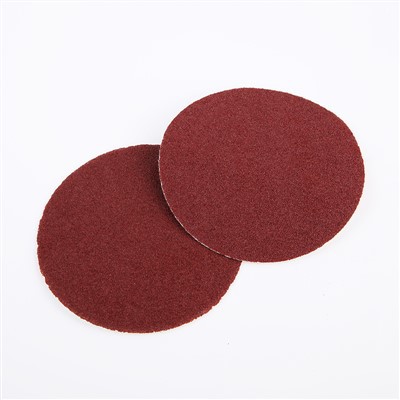
When it comes to industrial cutting operations, the question of whether an iron cutting disc can be used underwater is a topic that often sparks curiosity and debate. As a supplier of high - quality iron cutting discs, I have encountered numerous inquiries regarding this matter. In this blog post, I will delve into the science behind using iron cutting discs underwater, explore the advantages and challenges, and provide insights for those considering such an application.
The Science of Iron Cutting Discs
Iron cutting discs are typically made of abrasive materials such as aluminum oxide or silicon carbide bonded together with a resin. These discs are designed to cut through various types of metals, including iron, steel, and alloys. The cutting action occurs when the abrasive particles on the disc's surface come into contact with the metal, grinding and removing material as the disc rotates at high speed.
Under normal circumstances, iron cutting discs are used in dry conditions. The friction generated during the cutting process produces heat, which can cause the metal to expand and the abrasive particles to wear down. However, when used underwater, the water serves as a coolant, reducing the heat generated during cutting. This can have several benefits, such as extending the lifespan of the cutting disc and improving the quality of the cut.
Advantages of Using Iron Cutting Discs Underwater
- Cooling Effect: As mentioned earlier, water acts as an excellent coolant. By dissipating the heat generated during cutting, it helps prevent the disc from overheating and reduces the risk of the metal warping or cracking. This is particularly important when cutting thick or hard metals, where excessive heat can lead to poor cutting performance and damage to the workpiece.
- Reduced Dust and Debris: Cutting underwater significantly reduces the amount of dust and debris generated. In dry cutting operations, the dust can be a health hazard for operators and can also contaminate the surrounding environment. By using an iron cutting disc underwater, the dust is trapped in the water, minimizing the risk of inhalation and environmental pollution.
- Improved Cutting Quality: The cooling effect of water helps to maintain the sharpness of the abrasive particles on the cutting disc. This results in a smoother and more precise cut, with less burrs and rough edges. The reduced heat also prevents the metal from melting or smearing, which can improve the overall quality of the finished product.
Challenges of Using Iron Cutting Discs Underwater
- Visibility: One of the main challenges of cutting underwater is the limited visibility. The water can distort the view of the cutting area, making it difficult for operators to accurately position the disc and monitor the cutting process. This requires operators to have a high level of skill and experience to ensure a precise cut.
- Water Resistance: Iron cutting discs need to be specifically designed to be used underwater. The resin bonding the abrasive particles must be able to withstand the water and prevent it from seeping into the disc. If the disc is not water - resistant, the water can cause the resin to break down, leading to premature wear and failure of the disc.
- Equipment Requirements: Cutting underwater requires specialized equipment, such as a waterproof power tool and a suitable water supply system. The power tool must be able to operate safely in a wet environment, and the water supply system must be able to provide a consistent flow of water to the cutting area.
Our Iron Cutting Discs for Underwater Use
At our company, we offer a range of iron cutting discs that are specifically designed for underwater use. Our discs are made with high - quality abrasive materials and a water - resistant resin, ensuring long - lasting performance and reliable cutting results.


We also provide a variety of other cutting discs, such as the Resin Cutting Wheel, which is suitable for general metal cutting applications, the Aluminium Cutting Wheel, designed for cutting aluminum and other non - ferrous metals, and the Metal Cut Off Disc for Drill, which can be used with a drill for precise cutting.
Conclusion
In conclusion, an iron cutting disc can be used underwater, and it offers several advantages over dry cutting. However, it also presents some challenges that need to be addressed. As a supplier of high - quality cutting discs, we are committed to providing our customers with the best products and solutions for their cutting needs. Whether you are looking to cut iron, steel, or other metals underwater, our cutting discs are designed to deliver exceptional performance and reliability.
If you are interested in learning more about our iron cutting discs or other cutting products, we invite you to contact us for a consultation. Our team of experts will be happy to assist you in selecting the right cutting disc for your application and provide you with detailed information on our products and services.
References
- "Handbook of Abrasive Technology", by Ramesh Singh
- "Cutting Tool Engineering", various issues