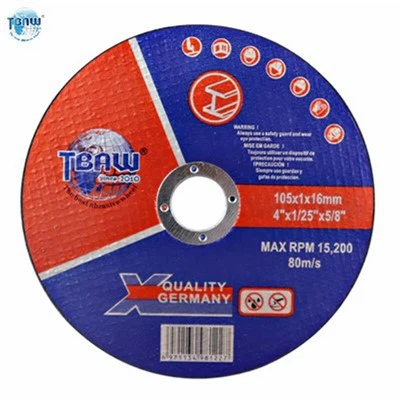
Hey there! As a supplier of grinding discs, I often get asked about how to measure the diameter of a grinding disc. It might seem like a simple task, but there are a few things you need to know to get an accurate measurement. In this blog post, I'll walk you through the process step by step.
First off, why is it important to measure the diameter of a grinding disc correctly? Well, the diameter affects the performance and compatibility of the disc with your grinding machine. Using a disc with the wrong diameter can lead to inefficient grinding, increased wear and tear on your equipment, and even safety hazards. So, getting it right is crucial.
Tools You'll Need
Before you start measuring, you'll need a few tools. The most common tool for measuring the diameter of a grinding disc is a caliper. You can use either a digital or a manual caliper. Digital calipers are more precise and easier to read, but manual calipers are also a reliable option. You can find calipers at most hardware stores or online.
Step-by-Step Measurement Process
- Prepare the Grinding Disc: Make sure the grinding disc is clean and free of any debris. This will ensure an accurate measurement. If the disc has any abrasive particles or dirt on it, use a clean cloth to wipe it off.
- Position the Caliper: Open the caliper jaws wide enough to fit around the grinding disc. Place the caliper on the outer edge of the disc, making sure it is perpendicular to the surface of the disc.
- Take the Measurement: Gently close the caliper jaws until they touch the outer edge of the grinding disc on both sides. Make sure the caliper is centered on the disc. Read the measurement on the caliper display. If you're using a manual caliper, you'll need to read the measurement on the scale.
- Record the Measurement: Write down the measurement you've taken. Make sure to note the units of measurement (usually inches or millimeters). It's a good idea to take multiple measurements at different points around the disc to ensure accuracy. If the measurements vary slightly, take the average of the measurements.
Common Mistakes to Avoid
- Not Centering the Caliper: If the caliper is not centered on the disc, you'll get an inaccurate measurement. Make sure the caliper is perpendicular to the surface of the disc and centered on the outer edge.
- Applying Too Much Pressure: Applying too much pressure when closing the caliper jaws can cause the disc to deform, resulting in an inaccurate measurement. Use a gentle touch when taking the measurement.
- Measuring the Wrong Part of the Disc: Make sure you're measuring the outer diameter of the disc, not the inner diameter or any other part of the disc.
Measuring Different Types of Grinding Discs
- Standard Grinding Discs: Most standard grinding discs have a flat outer edge, making them easy to measure. Just follow the steps outlined above.
- 4 Inch Grinding Wheel: If you're measuring a 4 Inch Grinding Wheel, make sure to use a caliper that can measure up to 4 inches. The process is the same as for a standard grinding disc.
- Resin Grinding Wheel: Resin Grinding Wheels can be a bit more tricky to measure because they often have a tapered edge. In this case, you'll need to measure the diameter at the widest point of the disc.
Importance of Accurate Measurements
Accurate measurements are essential for ensuring the proper performance and safety of your grinding disc. Using a disc with the wrong diameter can lead to a number of problems, including:


- Inefficient Grinding: A disc with the wrong diameter may not fit properly on your grinding machine, resulting in inefficient grinding. This can lead to longer grinding times and increased wear on the disc.
- Equipment Damage: Using a disc with the wrong diameter can cause damage to your grinding machine. The disc may not spin properly, which can put extra stress on the machine's motor and other components.
- Safety Hazards: A disc with the wrong diameter can pose a safety hazard. It may come loose during operation, causing it to fly off the machine and potentially injure someone.
Choosing the Right Grinding Disc
Once you've measured the diameter of your grinding disc, you'll need to choose the right disc for your application. There are many different types of grinding discs available, each designed for a specific purpose. Some factors to consider when choosing a grinding disc include:
- Material: The material you're grinding will determine the type of grinding disc you need. For example, if you're grinding metal, you'll need a disc that is designed for metal grinding.
- Size: Make sure the grinding disc you choose has the correct diameter for your grinding machine.
- Abrasive Type: The abrasive type of the grinding disc will affect its performance. Different abrasive types are better suited for different materials and applications.
Conclusion
Measuring the diameter of a grinding disc is a simple but important task. By following the steps outlined in this blog post, you can ensure that you get an accurate measurement and choose the right grinding disc for your application. If you have any questions or need help choosing the right grinding disc, don't hesitate to contact us. We're here to help you find the best Best Grinding Discs for your needs.
References
- Machinery's Handbook, 31st Edition
- Grinding Technology: Theory and Applications of Machining with Abrasives, by Stephen Malkin