Hey there, all you grinding enthusiasts! I'm a supplier of resin grinding wheels, and today, I wanna talk about how the hardness of a resin grinding wheel impacts grinding. It's a topic that might seem a bit technical at first, but trust me, it's super important for getting the best results in your grinding jobs.
First off, what exactly do we mean by the hardness of a resin grinding wheel? Well, the hardness of a grinding wheel refers to how well the bond holds the abrasive grains in place. It's not about the hardness of the abrasive grains themselves, but rather how tightly the resin bond keeps them together. A harder wheel has a stronger bond, which means the abrasive grains are less likely to fall out during grinding. On the other hand, a softer wheel has a weaker bond, allowing the grains to break away more easily.
So, how does this hardness affect the grinding process? Let's start with material removal rate. When you're using a harder resin grinding wheel, the bond is strong enough to keep the abrasive grains in place for a longer time. This allows the wheel to maintain a consistent cutting surface, which can result in a relatively high material removal rate. For example, if you're grinding a tough metal like stainless steel, a harder wheel can dig into the material and remove it quickly. However, it's important to note that if the wheel is too hard for the material, it can lead to overheating and damage to the workpiece.
Conversely, a softer resin grinding wheel has a lower material removal rate. The weaker bond allows the abrasive grains to break away and be replaced by fresh ones more easily. This can be beneficial when grinding materials that are more brittle or heat-sensitive. For instance, when grinding ceramics or certain types of plastics, a softer wheel can prevent cracking and melting by reducing the heat generated during grinding.
Another aspect that the hardness of a resin grinding wheel impacts is the surface finish of the workpiece. A harder wheel tends to leave a rougher surface finish. This is because the abrasive grains are held firmly in place and can make deeper cuts into the material. If you're looking for a smooth, polished finish, a harder wheel may not be the best choice. However, if your goal is to quickly remove large amounts of material and you don't mind a rougher surface, then a harder wheel can be very effective.
On the flip side, a softer wheel can produce a smoother surface finish. As the abrasive grains break away more easily, they create smaller and more consistent cuts. This results in a finer surface texture on the workpiece. So, if you're working on a project where a smooth finish is crucial, like in the production of precision parts or decorative items, a softer resin grinding wheel is likely your best bet.
The choice between a hard and a soft resin grinding wheel also depends on the grinding operation itself. For example, in a heavy-duty grinding operation where you need to remove a large amount of material quickly, such as in the initial shaping of a metal workpiece, a harder wheel is usually preferred. It can withstand the high forces and pressures involved in this type of grinding without wearing out too quickly.
However, in a finishing operation where you're just fine-tuning the surface of the workpiece, a softer wheel is often more appropriate. It can provide a more precise and delicate grinding action, ensuring that the final surface meets the required specifications.
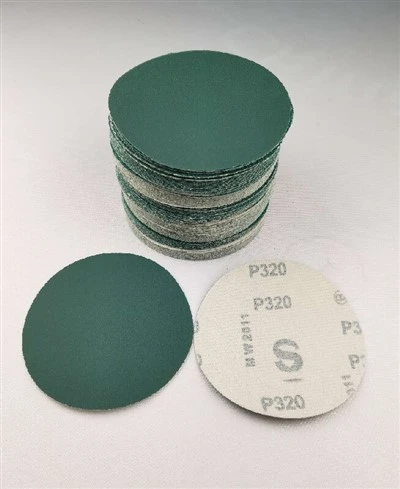
Now, let's talk about some of the products we offer as a resin grinding wheel supplier. We have a wide range of Resin Grinding Disc that come in different hardness levels to suit various grinding needs. Whether you're working on metal, concrete, or other materials, we've got you covered.
Our Silicon Carbide Deburring Disc is a great option for deburring operations. It's designed to remove burrs and sharp edges from the workpiece, leaving a smooth and safe surface. The hardness of this disc is carefully selected to provide efficient deburring without causing damage to the material.
If you're dealing with metal grinding, our Ceramic Abrasive Metal Grinding Disc is a top choice. The ceramic abrasive grains offer excellent cutting performance, and the appropriate hardness of the wheel ensures a long service life and consistent results.


For concrete grinding, our Single Row Diamond Concrete Grinding Disc is a game-changer. The diamond abrasive provides high grinding efficiency, and the hardness of the wheel is optimized to work well with the tough nature of concrete.
And if you need a disc for deburring non-metallic materials, our Non-Woven Deburring Disc is a great option. Its unique non-woven structure and the right hardness make it ideal for achieving a smooth finish on materials like plastics and composites.
In conclusion, the hardness of a resin grinding wheel plays a crucial role in the grinding process. It affects the material removal rate, surface finish, and the overall performance of the grinding operation. As a supplier, we understand the importance of providing the right hardness for different applications. Whether you're a professional grinder or a DIY enthusiast, choosing the correct hardness of the resin grinding wheel can make a huge difference in the quality and efficiency of your work.
If you're interested in our resin grinding wheels or have any questions about which hardness is best for your specific project, don't hesitate to reach out for a procurement discussion. We're here to help you find the perfect solution for your grinding needs.
References:
- Grinding Technology: Theory and Applications of Machining with Abrasives by Stephen Malkin
- Handbook of Abrasive Technology by Peter K. Wright and Duncan G. Batchelor