

Heat is a powerful physical force that can significantly alter the properties of various materials, and metal cut off discs are no exception. As a leading supplier of high - quality metal cut off discs, I've witnessed firsthand the impact of heat on these essential tools. In this blog, I'll delve into the effects of heat on metal cut off discs, exploring both the positive and negative implications.
Understanding Metal Cut Off Discs
Before we discuss the effects of heat, it's important to understand what metal cut off discs are. These discs are abrasive tools used for cutting through various metals, including steel, iron, and aluminum. They are typically made from a combination of abrasive grains, such as aluminum oxide or silicon carbide, bonded together with a resin or other binding agents. Metal cut off discs come in different sizes, thicknesses, and abrasive grits to suit different cutting applications.
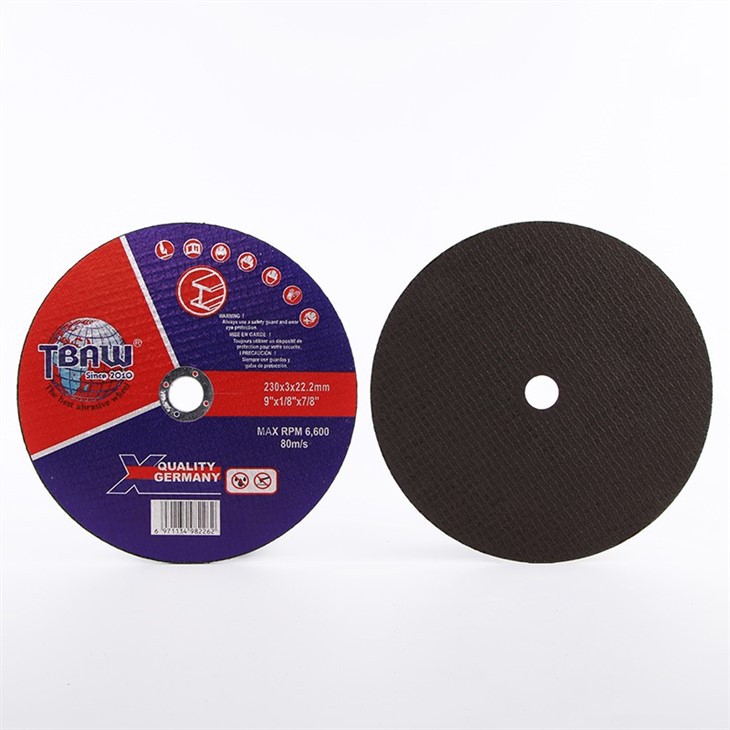

Some of the popular types of metal cut off discs we supply include the Multi - function Grinding Wheel, Super Thin Cutting Wheel, and Iron Cutting Disc. Each type is designed to meet specific cutting requirements and offers unique performance characteristics.
Positive Effects of Heat on Metal Cut Off Discs
- Improved Abrasive Performance
Heat can have a positive impact on the abrasive performance of metal cut off discs. When the disc is in contact with the metal workpiece, friction generates heat. This heat can cause the abrasive grains on the disc to become more brittle. As a result, the dulled grains are more likely to break off, exposing fresh, sharp grains. This self - sharpening effect helps to maintain the cutting efficiency of the disc over time. For example, in high - speed cutting operations, the heat generated can enhance the disc's ability to cut through tough metals quickly and smoothly. - Enhanced Bonding Strength
In some cases, heat can strengthen the bond between the abrasive grains and the binding agent in the metal cut off disc. During the manufacturing process, the disc is often subjected to heat treatment to cure the resin or other binding materials. This heat - curing process helps to create a strong and durable bond that can withstand the forces generated during cutting. Additionally, when the disc is in use, the heat generated by friction can further enhance the bonding strength, reducing the risk of grain loss and improving the overall durability of the disc.
Negative Effects of Heat on Metal Cut Off Discs
- Disc Warping and Deformation
Excessive heat can cause metal cut off discs to warp or deform. When the disc is heated unevenly, different parts of the disc expand at different rates, leading to internal stresses. These stresses can cause the disc to bend or become out of round, which can affect its cutting performance and safety. Warped discs may produce uneven cuts, vibrate excessively, and increase the risk of kickback. To prevent disc warping, it's important to use the correct cutting speed and pressure, and to avoid overheating the disc. - Reduced Abrasive Life
While heat can sometimes improve abrasive performance, excessive heat can also reduce the life of the abrasive grains. High temperatures can cause the abrasive grains to break down more quickly, leading to premature wear and reduced cutting efficiency. In addition, heat can cause the binding agent to degrade, which can further accelerate grain loss. To maximize the abrasive life of the disc, it's important to control the heat generated during cutting by using coolant or lubricant, and by choosing the appropriate cutting parameters. - Safety Risks
Heat can pose significant safety risks when working with metal cut off discs. Overheated discs are more likely to shatter or explode, which can cause serious injury to the operator. In addition, the heat generated during cutting can produce sparks and fumes, which can be a fire hazard and a health risk. To minimize these safety risks, it's important to follow all safety guidelines and regulations when using metal cut off discs, including wearing appropriate personal protective equipment and using a spark guard.
Managing Heat in Metal Cutting Operations
To minimize the negative effects of heat on metal cut off discs and ensure optimal performance and safety, it's important to manage the heat generated during cutting operations. Here are some tips for managing heat:
- Choose the Right Disc
Select a metal cut off disc that is suitable for the specific cutting application. Consider factors such as the type of metal being cut, the thickness of the workpiece, and the cutting speed. Using the wrong disc can generate excessive heat and reduce the disc's performance and lifespan. - Control Cutting Speed and Pressure
Avoid using excessive cutting speed and pressure, as this can generate too much heat. Follow the manufacturer's recommendations for cutting speed and pressure, and adjust the settings as needed based on the material being cut. Using a slower cutting speed and lighter pressure can help to reduce heat generation and improve the cutting quality. - Use Coolant or Lubricant
Applying coolant or lubricant to the cutting area can help to dissipate heat and reduce friction. Coolants and lubricants can also help to prevent the disc from overheating and extend its lifespan. There are different types of coolants and lubricants available, so choose one that is suitable for the metal being cut and the cutting process. - Inspect the Disc Regularly
Regularly inspect the metal cut off disc for signs of wear, damage, or overheating. If the disc shows signs of warping, cracking, or excessive wear, replace it immediately. Using a damaged or worn - out disc can increase the risk of heat - related problems and safety hazards.
Conclusion
Heat has both positive and negative effects on metal cut off discs. While it can improve abrasive performance and enhance bonding strength, excessive heat can cause disc warping, reduce abrasive life, and pose significant safety risks. As a supplier of metal cut off discs, I understand the importance of managing heat in metal cutting operations to ensure optimal performance and safety.
If you're in the market for high - quality metal cut off discs or have any questions about heat management in metal cutting, I encourage you to contact me for more information. Our team of experts can help you choose the right disc for your specific application and provide you with valuable advice on how to use it safely and effectively.
References
- ASTM International. (20XX). Standard test methods for safety requirements for abrasive wheels.
- OSHA. (20XX). General industry safety and health standards - Abrasive wheels.
- Machinery's Handbook. (20XX). Industrial press.


