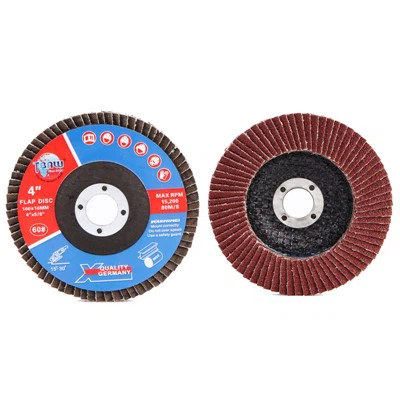
The operating temperature of a 4-inch grinding wheel is a critical factor that significantly impacts its performance, longevity, and the quality of the grinding process. As a reputable supplier of 4-inch grinding wheels, we understand the importance of maintaining the right temperature to ensure optimal results. In this blog, we will delve into the recommended operating temperature for a 4-inch grinding wheel, the factors influencing it, and why it matters.
Understanding the Recommended Operating Temperature
The recommended operating temperature for a 4-inch grinding wheel typically ranges between 50°F (10°C) and 100°F (38°C). This temperature range is considered ideal as it allows the grinding wheel to function efficiently without compromising its integrity. When the temperature is within this range, the abrasive grains on the wheel can effectively remove material from the workpiece, providing a smooth and consistent finish.
If the temperature goes below 50°F (10°C), the grinding wheel may become too brittle, increasing the risk of cracking or breaking during operation. Cold temperatures can also cause the bonding material that holds the abrasive grains together to become less flexible, reducing the wheel's ability to adapt to the surface of the workpiece. This can result in a rough finish and poor grinding performance.


On the other hand, if the temperature exceeds 100°F (38°C), the grinding wheel may experience thermal expansion, which can lead to uneven wear and a decrease in accuracy. High temperatures can also cause the abrasive grains to lose their cutting edge more quickly, shortening the wheel's lifespan. Additionally, excessive heat can cause the workpiece to distort or damage, especially if it is made of a heat-sensitive material.
Factors Influencing the Operating Temperature
Several factors can influence the operating temperature of a 4-inch grinding wheel. Understanding these factors can help you take the necessary precautions to maintain the recommended temperature range and ensure the best results.
- Workpiece Material: Different materials have different thermal conductivity and hardness, which can affect the amount of heat generated during grinding. For example, grinding a hard metal like stainless steel will generate more heat than grinding a softer material like aluminum.
- Grinding Pressure: Applying too much pressure during grinding can increase the friction between the wheel and the workpiece, generating more heat. It is important to use the appropriate amount of pressure for the type of grinding wheel and workpiece material.
- Grinding Speed: The speed at which the grinding wheel rotates can also affect the operating temperature. Higher speeds generally generate more heat, so it is important to use the recommended speed for the grinding wheel and workpiece material.
- Coolant Usage: Using a coolant during grinding can help dissipate heat and reduce the operating temperature. Coolants can also help lubricate the wheel and workpiece, reducing friction and improving the grinding performance.
- Environmental Conditions: The temperature and humidity of the environment in which the grinding is taking place can also affect the operating temperature of the grinding wheel. It is important to keep the work area well-ventilated and at a consistent temperature to avoid excessive heat buildup.
Why Maintaining the Right Temperature Matters
Maintaining the recommended operating temperature for a 4-inch grinding wheel is crucial for several reasons:
- Extend the Lifespan of the Grinding Wheel: By operating the grinding wheel within the recommended temperature range, you can prevent premature wear and damage, extending its lifespan and reducing the need for frequent replacements.
- Improve Grinding Performance: A grinding wheel operating at the right temperature can provide a smoother and more consistent finish, improving the quality of the workpiece.
- Enhance Safety: Operating the grinding wheel at a temperature that exceeds the recommended range can increase the risk of cracking or breaking, which can be dangerous for the operator. By maintaining the right temperature, you can ensure the safety of the operator and those in the vicinity.
- Save Costs: By reducing the need for frequent replacements and improving the quality of the workpiece, you can save costs in the long run.
Our Product Range
As a leading supplier of 4-inch grinding wheels, we offer a wide range of products to meet the diverse needs of our customers. Our product range includes:
- Depressed Center Metal Grinding Disc (Type 27): Ideal for grinding and cutting metal, this type of disc features a depressed center that allows for easy access to hard-to-reach areas.
- Ceramic Abrasive Metal Grinding Disc: Made with high-quality ceramic abrasive grains, this type of disc offers superior cutting performance and long-lasting durability.
- Convolute Deburring Wheel: Designed for deburring and finishing operations, this type of wheel features a unique convolute design that provides a smooth and consistent finish.
- Flat Metal Grinding Disc (Type 1): Perfect for general-purpose grinding and cutting of metal, this type of disc features a flat surface that provides a stable grinding platform.
- Double Row Diamond Concrete Grinding Disc: Specifically designed for grinding and cutting concrete, this type of disc features double rows of diamond segments that provide excellent cutting performance and durability.
Contact Us for Purchasing
If you are in need of high-quality 4-inch grinding wheels or have any questions about our products, we encourage you to contact our sales team. We are committed to providing our customers with the best products and services, and we look forward to the opportunity to assist you with your grinding needs.
References
- American National Standards Institute (ANSI). (2018). ANSI B7.1-2018 Safety Requirements for the Use, Care, and Protection of Abrasive Wheels.
- Occupational Safety and Health Administration (OSHA). (2019). Abrasive Wheels - General Industry.
- Machinery's Handbook (30th Edition). Industrial Press.