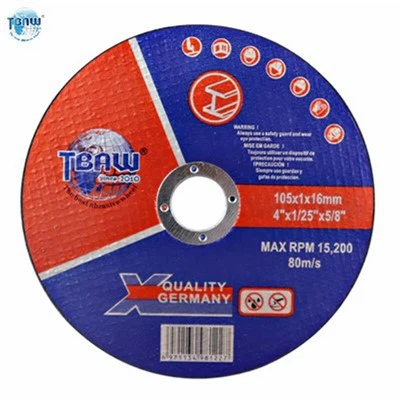
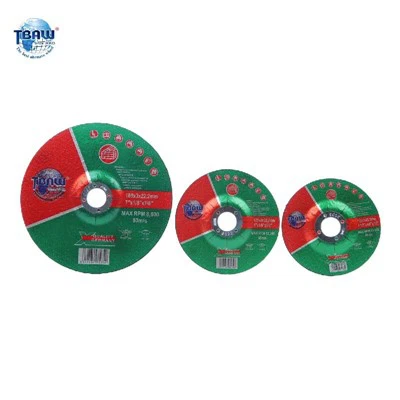
As a supplier of 3M grinding discs, I often encounter inquiries about the thermal conductivity of these products. Understanding the thermal conductivity of a 3M grinding disc is crucial for both professionals in the metalworking industry and DIY enthusiasts. In this blog, we will delve into what thermal conductivity is, why it matters for grinding discs, and specifically, the thermal conductivity of 3M grinding discs.
What is Thermal Conductivity?
Thermal conductivity is a property that measures a material's ability to conduct heat. It is defined as the quantity of heat that passes through a unit area of a material per unit time, per unit temperature gradient. In simpler terms, it tells us how well a material can transfer heat. The unit of thermal conductivity is typically watts per meter - kelvin (W/(m·K)).
Materials with high thermal conductivity, such as metals like copper and aluminum, can transfer heat quickly. On the other hand, materials with low thermal conductivity, like wood or plastic, are poor conductors of heat and act as insulators.
Why is Thermal Conductivity Important for Grinding Discs?
When a grinding disc is in use, it generates a significant amount of heat due to the friction between the disc and the workpiece. If the heat is not dissipated efficiently, it can lead to several problems.
Firstly, excessive heat can cause the grinding disc to wear out more quickly. The high temperature can degrade the bonding material that holds the abrasive grains together, leading to premature grain loss and a shorter lifespan of the disc. Secondly, overheating can also damage the workpiece. For example, in metalworking, excessive heat can cause the metal to lose its hardness, change its microstructure, or even warp.
Therefore, a grinding disc with good thermal conductivity is essential to ensure efficient heat dissipation, prolong the disc's life, and maintain the quality of the workpiece.
The Thermal Conductivity of 3M Grinding Discs
3M is a well - known brand in the abrasives industry, and their grinding discs are designed with advanced materials and technologies to optimize performance, including thermal conductivity.
3M grinding discs are made of a combination of abrasive grains and a bonding material. The abrasive grains, such as aluminum oxide or silicon carbide, have their own thermal conductivity properties. Aluminum oxide, for instance, has a relatively high thermal conductivity, which allows it to transfer heat away from the grinding area.
The bonding material also plays a crucial role in the thermal conductivity of the grinding disc. 3M uses high - quality bonding agents that not only hold the abrasive grains firmly but also contribute to heat transfer. These bonding materials are engineered to withstand high temperatures and facilitate the efficient dissipation of heat.
However, it's important to note that the exact thermal conductivity of a 3M grinding disc can vary depending on several factors, such as the type of abrasive grains used, the composition of the bonding material, and the design of the disc. For example, a 3M grinding disc with a higher concentration of aluminum oxide grains may have a higher thermal conductivity compared to one with a different abrasive mix.
Applications and the Role of Thermal Conductivity
In different applications, the thermal conductivity of 3M grinding discs can have a significant impact.
Metalworking
In metalworking, where high - speed grinding is often required, the ability of the grinding disc to dissipate heat is crucial. For example, when grinding stainless steel, which has relatively low thermal conductivity itself, a 3M grinding disc with good thermal conductivity can prevent the heat from building up in the workpiece. This helps to avoid issues like work hardening and discoloration of the metal.
Stone and Concrete Grinding
When grinding stone or concrete, the heat generated can also be substantial. A 3M grinding disc with proper thermal conductivity can ensure a smooth grinding process and prevent the disc from overheating, which could lead to cracking or premature wear.
Related Products and Their Features
If you are interested in 3M grinding discs, you may also be interested in other related products. For example, the Multi - function Grinding Wheel is a versatile tool that can be used for various grinding and cutting tasks. It combines different abrasive properties to provide a more efficient and effective grinding experience.
The Abrasive Grinding Wheel is designed specifically for heavy - duty grinding. It has a high concentration of abrasive grains and a strong bonding material, which not only provides excellent grinding performance but also has good thermal conductivity to handle the heat generated during the process.
The Resin Cutting Wheel is another option. It is made with a resin - based bonding material that offers good flexibility and heat resistance. This type of wheel is suitable for cutting various materials, including metals and plastics.
Factors Affecting Thermal Conductivity in Grinding Discs
Apart from the materials used, there are other factors that can affect the thermal conductivity of 3M grinding discs.
Disc Thickness
Thicker grinding discs generally have lower thermal conductivity compared to thinner ones. This is because heat has to travel a longer distance through the material, which increases the resistance to heat transfer. However, thicker discs may also have other advantages, such as increased durability and stability.
Ventilation Holes
Some 3M grinding discs are designed with ventilation holes. These holes not only help to reduce the weight of the disc but also improve the airflow around the disc during grinding. The increased airflow can enhance the heat dissipation process, effectively increasing the overall thermal performance of the disc.


Operating Conditions
The operating conditions, such as the grinding speed, pressure applied, and the type of workpiece, can also influence the thermal conductivity of the grinding disc. Higher grinding speeds and greater pressure can generate more heat, and the disc needs to be able to handle this heat effectively.
How to Choose the Right 3M Grinding Disc Based on Thermal Conductivity
When selecting a 3M grinding disc, you need to consider the thermal conductivity based on your specific application.
If you are working on a material that is sensitive to heat, such as certain alloys or plastics, you should choose a grinding disc with high thermal conductivity. This will help to prevent overheating and damage to the workpiece.
For heavy - duty grinding applications where a large amount of heat is generated, a disc with good thermal conductivity and high heat resistance is essential. You may also want to look for discs with ventilation holes or other features that enhance heat dissipation.
Conclusion
The thermal conductivity of a 3M grinding disc is an important property that affects its performance, lifespan, and the quality of the workpiece. 3M designs its grinding discs with advanced materials and technologies to optimize thermal conductivity and ensure efficient heat dissipation.
Whether you are a professional in the metalworking industry or a DIY enthusiast, understanding the thermal conductivity of 3M grinding discs can help you make the right choice for your grinding tasks. If you are interested in purchasing 3M grinding discs or other related products, feel free to contact us for more information and to discuss your specific needs. We are here to provide you with the best solutions for your grinding and cutting requirements.
References
- "Abrasive Technology Handbook", Industrial Press Inc., 2008
- "Materials Science and Engineering: An Introduction", William D. Callister Jr., David G. Rethwisch, Wiley, 2014