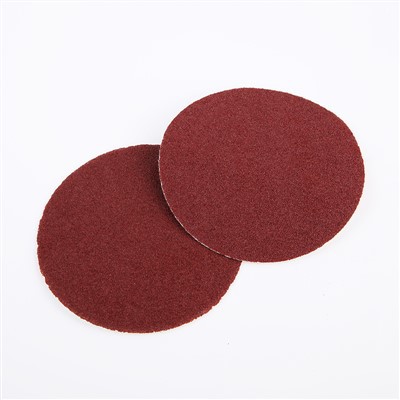
When it comes to metal cutting, one size definitely does not fit all. As a seasoned metal cutting disc supplier, I've witnessed firsthand how different industries have unique requirements for these essential tools. In this blog post, I'll explore the key differences in metal cutting discs for various industries, highlighting the specific features and considerations that make each type of disc suitable for its intended application.
Construction Industry
The construction industry is one of the largest consumers of metal cutting discs. Workers in this field often need to cut through a variety of metals, including steel bars, pipes, and structural components. These cuts are typically made on-site, so durability and efficiency are crucial.
For construction applications, Grinding Disc for Steel are a popular choice. These discs are designed to handle the high volume of cutting required on construction sites. They are made with a tough abrasive material that can withstand the rigors of frequent use. The cutting edge of these discs is engineered to stay sharp for longer periods, reducing the need for frequent replacements and increasing productivity.
Another important consideration in the construction industry is safety. Construction workers often work in challenging environments, so metal cutting discs need to be designed with safety features. For example, many construction-grade cutting discs are reinforced with fiberglass or other materials to prevent them from shattering during use. This helps to protect workers from potential injuries and ensures a safer working environment.
Automotive Industry
The automotive industry has a very different set of requirements when it comes to metal cutting discs. In this industry, precision is key. Automotive manufacturers and repair shops need to make accurate cuts on a variety of metal components, including engine parts, body panels, and exhaust systems.
Small Grinding Wheel are commonly used in the automotive industry. These wheels are designed for detailed work and can be used to make precise cuts and finishes. They are often used in conjunction with power tools such as angle grinders and die grinders. The small size and high level of precision make them ideal for working on small parts and in tight spaces.
In addition to precision, the automotive industry also requires cutting discs that produce minimal heat. Excessive heat can damage the metal being cut, leading to warping and other issues. To address this, many automotive cutting discs are designed with special cooling features. These features help to dissipate heat quickly, ensuring that the metal remains intact and the cut is clean and precise.
Manufacturing Industry
The manufacturing industry is a broad category that encompasses a wide range of metalworking processes. From large-scale production lines to custom fabrication shops, manufacturers need metal cutting discs that can meet their specific needs.
In manufacturing, the type of metal being cut is a major factor in determining the appropriate cutting disc. For example, cutting stainless steel requires a different type of disc than cutting mild steel. Resin Cutting Wheel are often used in manufacturing due to their versatility. These wheels can be used to cut a variety of metals, including stainless steel, aluminum, and copper.
Manufacturers also place a high value on consistency and quality. Metal cutting discs need to perform consistently over long periods to ensure that production runs smoothly. As a supplier, I work closely with manufacturers to understand their specific requirements and provide them with cutting discs that meet their quality standards. This may involve customizing the disc's abrasive material, bond strength, or other features to optimize performance.
Shipbuilding Industry
The shipbuilding industry is another sector that has unique requirements for metal cutting discs. Shipyards deal with large and thick metal plates, and the cutting process needs to be both efficient and accurate.


For shipbuilding applications, heavy-duty cutting discs are essential. These discs are designed to cut through thick metals quickly and efficiently. They are often made with a more aggressive abrasive material and a stronger bond to withstand the high cutting forces involved. In addition, shipyards require cutting discs that can produce a smooth and clean cut, as this is important for the overall quality and integrity of the ship's structure.
Another consideration in the shipbuilding industry is the need to work in a marine environment. Cutting discs need to be resistant to corrosion, as they may be exposed to saltwater and other harsh conditions. This requires the use of special coatings or materials that can protect the disc from corrosion and ensure its long-term performance.
Conclusion
In conclusion, there are significant differences in metal cutting discs for different industries. Each industry has its own unique requirements in terms of durability, precision, heat resistance, and corrosion resistance. As a metal cutting disc supplier, it's my job to understand these differences and provide my customers with the right products for their specific applications.
If you're in the market for high-quality metal cutting discs, I encourage you to reach out to me for a consultation. I can help you determine the best type of disc for your needs and provide you with a competitive quote. Whether you're in the construction, automotive, manufacturing, or shipbuilding industry, I have the expertise and products to meet your requirements.
References
- Smith, J. (2020). Metal Cutting Technologies: Principles and Applications. Publisher XYZ.
- Johnson, A. (2019). Handbook of Abrasive Tools. Publisher ABC.
- Brown, C. (2018). Industrial Metalworking Processes. Publisher DEF.