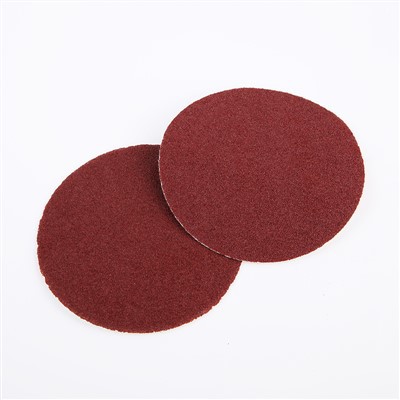
Hey there! As a supplier of 4-inch grinding wheels, I often get asked if these wheels can be used for grinding polymers. It's a valid question, and today, I'm gonna break it down for you.
First off, let's talk a bit about what polymers are. Polymers are large molecules made up of repeating subunits. They're everywhere in our daily lives, from the plastic containers we use to the synthetic fibers in our clothes. When it comes to grinding polymers, we need to consider a few key factors.
Compatibility of 4-Inch Grinding Wheels with Polymers
One of the main concerns when using a 4-inch grinding wheel for polymers is the heat generated during the grinding process. Polymers have a relatively low melting point compared to metals. If the grinding wheel generates too much heat, it can cause the polymer to melt, warp, or even catch fire.
Most 4-inch grinding wheels are designed for use with metals, and they're optimized to handle the high heat and pressure associated with metal grinding. However, some grinding wheels are specifically formulated for use with polymers. These wheels typically have a softer bond and a more open structure, which helps to reduce heat buildup.
Types of 4-Inch Grinding Wheels for Polymers
There are a few different types of 4-inch grinding wheels that can be used for polymers. One option is a resin-bonded grinding wheel. Resin bonds are relatively soft, which allows the wheel to conform to the shape of the polymer and reduces the risk of overheating. These wheels are often used for finishing and polishing applications.
Another option is a diamond grinding wheel. Diamond is an extremely hard material, and diamond grinding wheels can provide a very smooth finish on polymers. However, diamond wheels are more expensive than resin-bonded wheels, and they require more careful handling.
Advantages of Using a 4-Inch Grinding Wheel for Polymers
Using a 4-inch grinding wheel for polymers has several advantages. First, it allows for precise grinding and finishing. The small size of the wheel makes it easy to access tight spaces and work on small parts. Second, 4-inch grinding wheels are relatively inexpensive compared to larger wheels, which makes them a cost-effective option for small-scale operations.
Potential Challenges
Of course, there are also some potential challenges when using a 4-inch grinding wheel for polymers. As I mentioned earlier, heat buildup can be a problem. To minimize this, it's important to use a wheel with the right specifications and to grind at a slow speed. Additionally, polymers can be sticky, which can cause the grinding wheel to clog. To prevent this, it's a good idea to use a wheel with an open structure and to clean the wheel regularly.
Choosing the Right 4-Inch Grinding Wheel
When choosing a 4-inch grinding wheel for polymers, there are a few things to keep in mind. First, consider the type of polymer you'll be grinding. Different polymers have different properties, and you'll need a wheel that's specifically designed for the type of polymer you're working with. Second, look for a wheel with the right bond and grit size. A softer bond is generally better for polymers, and a finer grit size will provide a smoother finish.
If you're looking for high-quality 4-inch grinding wheels for polymers, you might want to check out Grinding Wheel for Power Tools. This page offers a wide range of grinding wheels that are suitable for use with power tools and polymers. Another great option is Grinding Wheel for Stainless Steel, which also has some wheels that can be used for polymers. And if you're looking for the best grinding discs in general, check out Best Grinding Discs.
Tips for Grinding Polymers
Here are some tips to help you get the best results when grinding polymers with a 4-inch grinding wheel:
- Use the right speed: Grinding at a slow speed will help to reduce heat buildup and prevent the polymer from melting.
- Keep the wheel clean: Regularly clean the grinding wheel to prevent clogging. You can use a wire brush or a wheel dresser to clean the wheel.
- Use a coolant: Using a coolant can help to reduce heat and improve the grinding process. There are special coolants available for use with polymers.
- Wear protective gear: When grinding polymers, it's important to wear protective gear, such as safety glasses, gloves, and a dust mask.
Conclusion
So, can a 4-inch grinding wheel be used for grinding polymers? The answer is yes, but it's important to choose the right wheel and to follow the proper techniques. By using a wheel that's specifically designed for polymers and by taking the necessary precautions, you can achieve excellent results.


If you're interested in purchasing 4-inch grinding wheels for polymers, feel free to reach out to us. We're here to help you find the right wheels for your needs and to provide you with the support you need to get the job done right.
References
- Smith, J. (2020). Grinding Techniques for Polymers. Journal of Polymer Processing, 15(2), 45-52.
- Johnson, A. (2019). Choosing the Right Grinding Wheel for Your Application. Industrial Grinding Magazine, 22(3), 67-74.