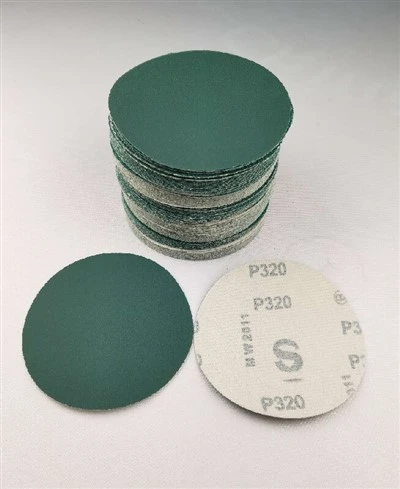
As a flap disc supplier, one of the most common questions I'm asked is whether a flap disc can be used on painted surfaces. This is a crucial question as improper use can lead to damage to the painted finish, and in some cases, the underlying material. In this blog, I'll delve into the details of using flap discs on painted surfaces, exploring the pros and cons, the types of flap discs suitable for the task, and some best practices.
Understanding Flap Discs
Before we discuss using flap discs on painted surfaces, it's essential to understand what flap discs are. A flap disc is an abrasive tool used for grinding, blending, and finishing. It consists of multiple overlapping abrasive flaps attached to a central hub. These flaps are usually made of abrasive material such as aluminum oxide, zirconia alumina, or silicon carbide, and they are flexible, allowing for a more conformable and efficient sanding action.
The main advantage of flap discs is their versatility. They can be used on a variety of materials, including metal, wood, and plastic. However, when it comes to painted surfaces, the situation is a bit more complex.
The Pros and Cons of Using Flap Discs on Painted Surfaces
Pros
- Efficiency: Flap discs can remove paint quickly and efficiently. Their design allows for a large surface area of abrasive contact, which means you can cover more ground in less time compared to other sanding methods.
- Consistent Finish: Flap discs can provide a relatively consistent finish, especially when used correctly. The overlapping flaps help to prevent swiping marks and create a smoother surface.
- Versatility: Some flap discs can be used on both painted and unpainted surfaces, which is convenient if you need to work on different areas of a project.
Cons
- Paint Damage: The most significant risk of using a flap disc on painted surfaces is the potential for paint damage. If the abrasive is too aggressive, it can remove more paint than intended, expose the underlying material, and leave uneven marks.
- Heat Generation: Flap discs can generate heat during use, which can cause the paint to blister, bubble, or even melt. This is particularly true for thin or delicate paint finishes.
- Dust and Debris: Sanding painted surfaces with a flap disc produces a significant amount of dust and debris, which can be a health hazard if inhaled. It's also important to clean up the dust properly to prevent it from settling on other surfaces and causing damage.
Types of Flap Discs Suitable for Painted Surfaces
Not all flap discs are created equal, and some are better suited for use on painted surfaces than others. Here are a few types to consider:
- Flap Inox: These flap discs are made with zirconia alumina abrasive, which offers a good balance of cutting power and durability. They are suitable for use on a variety of materials, including painted metal surfaces.
- Long Life Sanding Flap: Aluminum oxide is a common abrasive material used in flap discs. It's relatively gentle, making it a good choice for painted surfaces. The long life design of these flap discs means they can last longer and provide a more consistent finish.
- Flap Disc for Aluminum: Calcined alumina is a high-performance abrasive that offers excellent cutting power and durability. These flap discs are specifically designed for use on aluminum, but they can also be used on painted aluminum surfaces with care.
Best Practices for Using Flap Discs on Painted Surfaces
If you decide to use a flap disc on painted surfaces, here are some best practices to follow:
- Test on a Small Area: Before you start sanding the entire painted surface, it's a good idea to test the flap disc on a small, inconspicuous area. This will allow you to see how the paint reacts to the abrasive and make any necessary adjustments to the speed or pressure.
- Choose the Right Grit: The grit of the flap disc determines its cutting power and the smoothness of the finish. For painted surfaces, it's generally recommended to start with a finer grit, such as 80 or 100, and then work your way up to a coarser grit if necessary.
- Use the Right Speed: Using the correct speed is crucial when using a flap disc on painted surfaces. If the speed is too high, it can cause the paint to overheat and damage the finish. Most flap discs come with a recommended speed range, so make sure to follow these guidelines.
- Apply Light Pressure: Applying too much pressure can cause the flap disc to dig into the paint and create uneven marks. Instead, apply light, even pressure and let the abrasive do the work.
- Keep the Surface Cool: To prevent heat buildup and paint damage, it's important to keep the surface cool during sanding. You can do this by periodically spraying the surface with water or using a cooling lubricant.
- Clean Up Properly: After sanding, it's important to clean up the dust and debris properly. Use a vacuum cleaner or a damp cloth to remove the dust from the surface and surrounding area.
Conclusion
In conclusion, a flap disc can be used on painted surfaces, but it requires careful consideration and the right approach. By understanding the pros and cons, choosing the right type of flap disc, and following best practices, you can achieve a successful result without damaging the paint.
If you're in the market for high-quality flap discs for use on painted surfaces or other applications, I encourage you to reach out. As a trusted flap disc supplier, I can provide you with the products and expertise you need to get the job done right. Whether you're a professional contractor or a DIY enthusiast, I'm here to help you find the perfect solution for your sanding needs. Don't hesitate to contact me for more information or to discuss your specific requirements.
References


- Campbell, J. (2019). Abrasive Technology Handbook. Industrial Press.
- Smith, R. (2021). Sanding and Polishing Techniques. Woodworker's Journal.