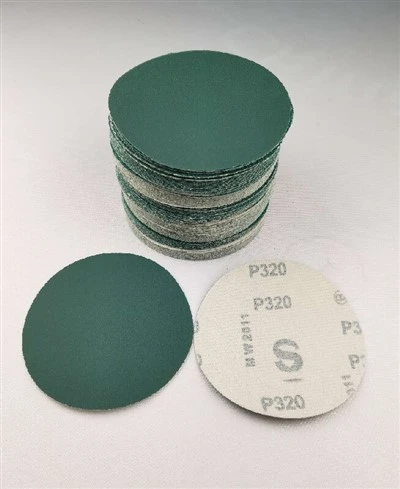
When it comes to surface grinding, the question of whether a grinding disc can be effectively used is both relevant and crucial for many industries and individuals involved in metalworking, construction, and other related fields. As a trusted grinding disc supplier, I am here to delve into this topic and provide you with in - depth insights.
Understanding the Basics of Grinding Discs
Grinding discs are abrasive tools designed to remove material from the surface of a workpiece. They come in various shapes, sizes, and compositions, each tailored to specific applications. The most common types of grinding discs include bonded abrasive discs, coated abrasive discs, and superabrasive discs.


Bonded abrasive discs are made by bonding abrasive grains together with a bonding agent. The abrasive grains, such as aluminum oxide, silicon carbide, or diamond, are what do the actual cutting and grinding. These discs are widely used in a variety of applications due to their durability and versatility. For example, the Long Life Grinding Wheel falls into this category, offering an extended lifespan and consistent performance.
Coated abrasive discs consist of a backing material, such as paper, cloth, or film, with a layer of abrasive grains coated on one side. They are often used for lighter grinding and finishing operations, providing a smooth surface finish.
Superabrasive discs, which usually contain diamond or cubic boron nitride (CBN) abrasives, are extremely hard and are used for grinding hard and brittle materials, such as ceramics, glass, and high - speed steels.
Surface Grinding - A Specific Application
Surface grinding is a machining process used to create a flat, smooth surface on a workpiece. It involves a rotating abrasive wheel that grinds the surface of the workpiece to remove small amounts of material. The primary objective of surface grinding is to achieve a high degree of dimensional accuracy and surface finish.
This process is commonly used in industries such as automotive, aerospace, and general manufacturing to create parts with precise dimensions and smooth surfaces. For instance, in the production of engine components, surface grinding is used to ensure that the mating surfaces fit together perfectly, reducing friction and enhancing performance.
Can a Grinding Disc be Used for Surface Grinding?
The answer is yes, a grinding disc can be used for surface grinding, but it depends on several factors:
Type of Grinding Disc
As mentioned earlier, different types of grinding discs are suitable for different applications. For surface grinding of softer materials like mild steel, cast iron, or aluminum, a bonded abrasive disc made of aluminum oxide can be a good choice. These discs are relatively inexpensive and can provide a reasonable surface finish. For example, our Grinding Wheel for Power Tools is a versatile option that can be used for surface grinding tasks with power tools.
When it comes to harder materials, such as stainless steel or high - alloy steels, a silicon carbide - based grinding disc or a superabrasive disc may be required. The Arrow Segment Diamond Concrete Grinding Disc is an excellent example of a superabrasive disc that can handle tough materials with ease, making it suitable for surface grinding of concrete or other hard surfaces.
Workpiece Material and Requirements
The properties of the workpiece material, such as hardness, toughness, and heat sensitivity, play a significant role in determining the suitability of a grinding disc for surface grinding. For heat - sensitive materials, a grinding disc with a high - porosity structure or a coolant - assisted grinding process may be necessary to prevent overheating and damage to the workpiece.
The required surface finish and dimensional accuracy also influence the choice of grinding disc. If a very smooth surface finish is required, a finer - grained grinding disc or a finishing operation with a coated abrasive disc may be needed. For example, a Resin Grinding Wheel can be used for fine - finishing operations to achieve a high - quality surface finish.
Grinding Equipment
The type of grinding equipment being used is another crucial factor. Hand - held power tools, bench grinders, and surface grinders all have different capabilities and requirements for using grinding discs. Hand - held power tools are more suitable for small - scale or on - site surface grinding tasks, while surface grinders are designed for high - precision, large - scale surface grinding operations.
Advantages of Using Grinding Discs for Surface Grinding
Cost - effectiveness
Grinding discs are generally more cost - effective than dedicated surface grinding wheels, especially for small - to medium - scale operations. They are available in a wide range of sizes and grits, allowing users to choose the most appropriate disc for the specific task at hand.
Versatility
A single grinding disc can be used for various grinding applications, including surface grinding, edge grinding, and deburring. Our Non - Woven Deburring Disc is a great example of a versatile disc that can be used for deburring and light surface grinding operations.
Ease of Use
Grinding discs are relatively easy to install and use, especially with hand - held power tools. This makes them accessible to a wide range of users, from DIY enthusiasts to professional machinists.
Limitations of Using Grinding Discs for Surface Grinding
Limited Precision
Compared to dedicated surface grinding wheels, grinding discs may provide less precise control over the surface finish and dimensional accuracy. This is particularly true for hand - held power tool applications, where it can be challenging to maintain a consistent grinding pressure and speed.
Wear and Tear
Grinding discs can wear out more quickly than dedicated surface grinding wheels, especially when used for heavy - duty grinding operations. This may require more frequent disc changes, which can increase the overall cost of the grinding process.
Best Practices for Using Grinding Discs for Surface Grinding
To ensure optimal performance and results when using grinding discs for surface grinding, the following best practices should be followed:
Select the Right Grinding Disc
Choose a grinding disc that is appropriate for the workpiece material, the required surface finish, and the grinding equipment being used. Consider factors such as the abrasive type, grit size, and disc diameter.
Maintain Proper Grinding Speed and Pressure
Follow the manufacturer's recommendations for the grinding speed and pressure. Excessive speed or pressure can cause the disc to wear out quickly, overheat the workpiece, or result in a poor surface finish.
Use Coolant or Lubricant
For heat - sensitive materials or heavy - duty grinding operations, using a coolant or lubricant can help reduce friction, prevent overheating, and extend the life of the grinding disc.
Inspect the Grinding Disc Regularly
Check the grinding disc for signs of wear, damage, or imbalance before each use. Replace the disc if it shows any signs of excessive wear or damage.
Conclusion
In conclusion, a grinding disc can indeed be used for surface grinding, provided that the right type of disc is selected and the proper grinding techniques are employed. As a grinding disc supplier, we offer a wide range of high - quality grinding discs to meet the diverse needs of our customers in surface grinding and other applications.
If you are interested in learning more about our grinding discs or have specific requirements for your surface grinding projects, we encourage you to contact us for further discussion. Our team of experts is ready to assist you in selecting the most suitable grinding disc for your needs and providing you with professional advice on grinding processes.
References
- "Grinding Technology: Theory and Applications of Machining with Abrasives" by Stephen Malkin
- "Modern Grinding Technology" by Rajiv Shivpuri, Achintya K. Mukhopadhyay, and Pradeep K. Pandey
- Manufacturer's technical literature on grinding discs