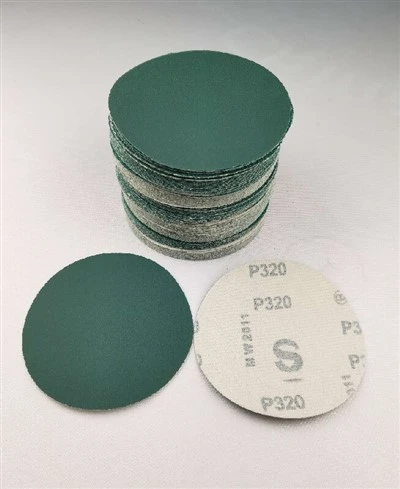
Can a Resin Grinding Disk be used for external grinding?
As a supplier of resin grinding disks, I often receive inquiries from customers about the suitability of our products for various grinding applications, especially external grinding. In this blog post, I will delve into the details of whether a resin grinding disk can be effectively used for external grinding, exploring its properties, advantages, limitations, and practical considerations.
Understanding Resin Grinding Disks
Resin grinding disks are made by bonding abrasive grains together using a resin bond. The resin bond holds the abrasive particles in place during the grinding process and provides certain characteristics to the grinding disk. These disks are available in a wide range of abrasive materials, such as aluminum oxide, silicon carbide, and diamond, each suitable for different types of workpieces and grinding requirements.
The resin bond offers several benefits. It provides good flexibility, which allows the grinding disk to conform to the shape of the workpiece to some extent. This flexibility can be particularly useful when grinding irregularly shaped surfaces. Additionally, resin-bonded grinding disks tend to generate less heat compared to some other types of grinding wheels, reducing the risk of thermal damage to the workpiece.
Advantages of Using Resin Grinding Disks for External Grinding
1. Versatility
Resin grinding disks are highly versatile and can be used for external grinding of various materials, including metals, ceramics, and composites. Different abrasive materials can be selected based on the hardness and properties of the workpiece. For example, aluminum oxide abrasive is commonly used for grinding ferrous metals, while silicon carbide is more suitable for non - ferrous metals and hard, brittle materials like ceramics.
2. Surface Finish
The flexibility of resin grinding disks can result in a good surface finish during external grinding. The disk can adapt to the surface of the workpiece, reducing the likelihood of leaving deep scratches or uneven marks. This is especially important when a smooth and precise surface finish is required, such as in the manufacturing of precision components or in the finishing stages of a production process.
3. Heat Resistance
As mentioned earlier, resin - bonded grinding disks generate less heat during grinding. This is crucial for external grinding, as excessive heat can cause thermal deformation of the workpiece, change its material properties, or even lead to cracking. By minimizing heat generation, resin grinding disks help maintain the integrity of the workpiece and ensure dimensional accuracy.
4. Cost - Effectiveness
Resin grinding disks are generally more cost - effective compared to some other types of grinding tools. They have a relatively long service life, especially when used under appropriate conditions. This means that customers can achieve a high volume of grinding work with a single disk, reducing the overall cost per unit of work. You can check out our Long Life Grinding Wheel for more information on cost - effective options.
Limitations of Resin Grinding Disks for External Grinding
1. Wear Rate
Although resin grinding disks have a decent service life, their wear rate can be relatively high when grinding very hard materials or under heavy - load conditions. In such cases, the abrasive grains may wear down more quickly, and the disk may need to be replaced more frequently. This can increase the overall cost and downtime if not properly managed.


2. Limited Grinding Pressure
Due to the relatively soft nature of the resin bond, resin grinding disks may not be suitable for high - pressure external grinding operations. Excessive pressure can cause the bond to break down prematurely, leading to uneven wear of the abrasive grains and a decrease in grinding performance.
3. Sensitivity to Temperature and Humidity
Resin bonds can be sensitive to changes in temperature and humidity. High temperatures can cause the resin to soften, while high humidity can lead to the degradation of the bond. This can affect the performance and durability of the grinding disk, especially in environments with extreme conditions.
Practical Considerations for Using Resin Grinding Disks in External Grinding
1. Selecting the Right Abrasive and Bond
The choice of abrasive material and bond strength is crucial for successful external grinding. As mentioned earlier, different abrasive materials are suitable for different workpiece materials. The bond strength should also be selected based on the grinding pressure and the hardness of the workpiece. For softer materials, a softer bond may be sufficient, while harder materials may require a stronger bond.
2. Grinding Parameters
Proper grinding parameters, such as grinding speed, feed rate, and depth of cut, need to be carefully controlled. Excessive grinding speed can generate more heat and increase the wear rate of the disk, while a too - slow speed may result in inefficient grinding. The feed rate and depth of cut should be adjusted according to the size and shape of the workpiece and the capabilities of the grinding machine.
3. Machine Compatibility
The resin grinding disk should be compatible with the grinding machine being used. The diameter, thickness, and arbor hole size of the disk must match the specifications of the machine. Using an incompatible disk can lead to safety hazards and poor grinding results. Our Grinding Wheel for Power Tools provides a wide range of options that are designed to be compatible with different power tools.
4. Safety Precautions
When using resin grinding disks for external grinding, safety should always be a top priority. Operators should wear appropriate personal protective equipment, such as safety glasses, gloves, and a dust mask. The grinding machine should be properly maintained and inspected regularly to ensure its safe operation.
Special Applications and Alternatives
In some cases, resin grinding disks may not be the best choice for external grinding. For example, when grinding extremely hard materials like tungsten carbide or when very high precision is required, Diamond Grinding Disc may be a more suitable option. Diamond grinding disks have excellent hardness and wear resistance, making them ideal for challenging grinding tasks.
However, for most general - purpose external grinding applications, resin grinding disks offer a good balance of performance, cost, and versatility. They can be used in a variety of industries, including automotive, aerospace, and metal fabrication.
Conclusion
In conclusion, a resin grinding disk can be effectively used for external grinding in many situations. Its versatility, good surface finish, heat resistance, and cost - effectiveness make it a popular choice for a wide range of applications. However, it also has some limitations, such as wear rate and sensitivity to environmental conditions, which need to be carefully considered. By selecting the right abrasive and bond, controlling the grinding parameters, ensuring machine compatibility, and taking appropriate safety precautions, customers can achieve excellent results when using resin grinding disks for external grinding.
If you are interested in purchasing resin grinding disks for your external grinding needs or have any questions about our products, please feel free to contact us. We are always ready to provide you with professional advice and high - quality products.
References
- "Grinding Technology: Theory and Applications of Machining with Abrasives" by Paul K. Wright
- "Handbook of Abrasive Technology" edited by Peter C. Lysaght