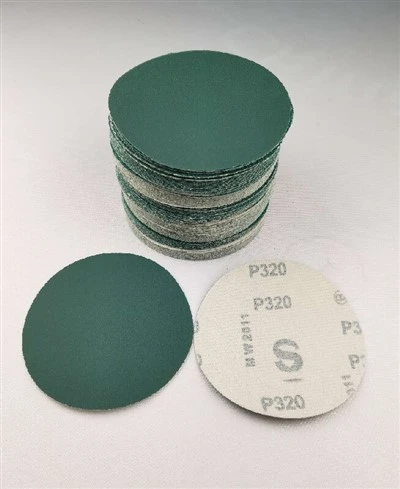
Hey there! As a supplier of small grinding wheels, I often get asked if these little guys can be used for wood grinding. Well, let's dive right into this topic and find out.


First off, let's understand what a small grinding wheel is. These wheels are typically made of abrasive materials like aluminum oxide or silicon carbide. They come in various sizes and grits, and they're commonly used for tasks like sharpening tools, smoothing metal surfaces, and even cutting through different materials. But when it comes to wood, things get a bit more complicated.
Can a Small Grinding Wheel Work for Wood?
The short answer is yes, a small grinding wheel can be used for wood grinding, but there are some things you need to keep in mind. Wood is a softer material compared to metals, and it has different properties. When you use a grinding wheel on wood, the goal is usually to smooth the surface, shape the wood, or remove some rough edges.
One of the main advantages of using a small grinding wheel for wood is its precision. You can get into tight spaces and work on detailed areas that might be difficult to reach with other tools. For example, if you're making a wooden sculpture or a piece of furniture with intricate designs, a small grinding wheel can be a great tool to have.
However, there are also some challenges. Wood has a tendency to clog the grinding wheel. As you grind, the wood particles can get stuck in the abrasive surface of the wheel, reducing its effectiveness. This means you might need to clean the wheel more frequently to keep it working properly.
Another thing to consider is the heat generated during the grinding process. Wood is more sensitive to heat than metals, and excessive heat can cause the wood to burn or char. So, you need to be careful not to apply too much pressure or grind for too long in one spot.
Types of Small Grinding Wheels for Wood
There are different types of small grinding wheels that can be used for wood. Some are specifically designed for woodworking, while others can be used for both wood and other materials.
- Abrasive Grinding Wheels: These are the most common type. They come in different grits, with coarser grits being better for removing large amounts of wood quickly, and finer grits for finishing and smoothing the surface. For example, a 60-grit wheel can be used for rough shaping, while a 220-grit wheel can be used for a smooth finish.
- Diamond Grinding Wheels: These are more expensive but offer a longer lifespan and better performance. They're great for working on hard woods or when you need a very precise finish.
Safety Precautions
When using a small grinding wheel for wood, safety should always be your top priority. Here are some important safety tips:
- Wear Protective Gear: This includes safety glasses, a dust mask, and gloves. Wood dust can be harmful if inhaled, and the grinding process can produce sparks, so it's important to protect yourself.
- Secure the Wood: Make sure the wood is firmly held in place before you start grinding. This will prevent it from moving around and causing accidents.
- Follow the Manufacturer's Instructions: Different grinding wheels have different specifications and requirements. Make sure you read and follow the instructions provided by the manufacturer.
Comparing with Other Tools
When it comes to woodworking, there are many other tools available, such as sandpaper, routers, and planers. So, how does a small grinding wheel compare?
- Sandpaper: Sandpaper is a more traditional tool for wood finishing. It's cheaper and easier to use, but it might not be as effective for removing large amounts of wood or working on detailed areas. A small grinding wheel can be more powerful and precise in these cases.
- Routers: Routers are great for creating grooves, edges, and other shapes in wood. However, they're more expensive and require more skill to use. A small grinding wheel can be a more affordable and accessible option for beginners.
- Planers: Planers are used to smooth and flatten large surfaces of wood. They're very efficient but might not be suitable for small or detailed work. A small grinding wheel can be a better choice for these types of tasks.
Applications of Small Grinding Wheels in Woodworking
Small grinding wheels have a wide range of applications in woodworking. Here are some examples:
- Sculpting: If you're a wood sculptor, a small grinding wheel can be a valuable tool for shaping and refining your sculptures. You can use it to create smooth curves, sharp edges, and detailed features.
- Furniture Making: In furniture making, a small grinding wheel can be used for tasks like sanding, shaping, and finishing. It can help you achieve a professional-looking finish on your furniture pieces.
- Cabinetry: When making cabinets, a small grinding wheel can be used to cut and shape the wood, as well as to smooth the edges and corners.
Where to Find the Right Small Grinding Wheel
As a supplier of small grinding wheels, I can tell you that finding the right wheel for your woodworking needs is crucial. You need to consider factors like the type of wood you're working with, the task you're performing, and your budget.
If you're looking for a high-quality small grinding wheel, you might want to check out our Metal Cut Off Disc, Abrasive Cutting Wheel, and Iron Cutting Disc. These wheels are designed to provide excellent performance and durability, and they're suitable for a variety of woodworking tasks.
Conclusion
In conclusion, a small grinding wheel can definitely be used for wood grinding. It offers precision, power, and the ability to work on detailed areas. However, you need to be aware of the challenges and take the necessary safety precautions. Whether you're a professional woodworker or a DIY enthusiast, a small grinding wheel can be a valuable addition to your toolbox.
If you're interested in purchasing small grinding wheels for your woodworking projects, feel free to contact us for more information. We're here to help you find the right wheels for your needs and provide you with the best possible service.
References
- Woodworking Basics: A Guide to Tools and Techniques.
- Abrasive Materials and Their Applications.
- Safety Guidelines for Woodworking Tools.