Hey there! As a supplier of Angle Grinder Wheels, I often get asked a bunch of questions about our products. One question that pops up quite a bit is, "Can an angle grinder wheel be used on curved surfaces?" Well, let's dive right into it and break it down.
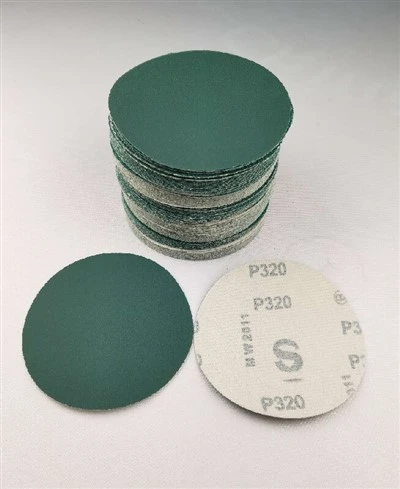
First off, let's talk about what an angle grinder wheel is. It's a tool that's super versatile and commonly used in metalworking, construction, and DIY projects. These wheels come in different types, like Grinding Wheel for Stainless Steel, Resin Grinding Disc, and Resin Grinding Wheel. Each type has its own unique features and is designed for specific tasks.
Now, back to the main question. Can an angle grinder wheel be used on curved surfaces? The short answer is yes, but it's not as straightforward as using it on a flat surface. There are a few things you need to keep in mind.
Factors to Consider
1. Wheel Type
Not all angle grinder wheels are created equal when it comes to curved surfaces. Some wheels are better suited for this task than others. For example, resin - bonded wheels are often a good choice. They tend to be more flexible and can conform to the curve of the surface to some extent. These Resin Grinding Wheels are great because they can provide a smooth finish on curved metal parts. On the other hand, a very hard - bonded wheel might not work as well. It could cause uneven grinding or even damage the surface if it doesn't adapt to the curve properly.
2. Size of the Wheel
The size of the angle grinder wheel matters a lot when working on curved surfaces. A smaller wheel gives you more control. It can easily maneuver around tight curves and contours. If you use a large wheel, it might be difficult to get into those hard - to - reach areas and could end up taking off too much material in one go. For instance, if you're working on a small, intricately curved piece of metal, a 4 - inch wheel would be a better option than a 9 - inch one.
3. Operator Skill
Your skill as an operator plays a huge role. Using an angle grinder on a curved surface requires a certain level of dexterity. You need to be able to control the pressure and movement of the grinder to ensure an even grind. If you're new to using an angle grinder, it's a good idea to practice on some scrap pieces first. Try different curves and get a feel for how the wheel interacts with the surface. You have to be constantly aware of the angle at which you're holding the grinder. If the angle is off, you might end up with an uneven finish or even gouge the surface.
Advantages of Using an Angle Grinder Wheel on Curved Surfaces
1. Efficiency
Angle grinders are powerful tools. When used correctly on curved surfaces, they can remove material quickly. This is especially useful in industries where time is money. For example, in automotive manufacturing, if you need to grind down a curved metal part to fit a specific design, an angle grinder can get the job done much faster than using manual tools.
2. Versatility
As I mentioned earlier, angle grinder wheels come in different types. This means you can use them for a wide range of materials and curved shapes. Whether you're working on stainless steel, aluminum, or even concrete curves, there's an appropriate wheel for the job. You can switch between Grinding Wheels for Stainless Steel and other types depending on the material you're working with.
Challenges and How to Overcome Them
1. Uneven Grinding
One of the biggest challenges when using an angle grinder on curved surfaces is achieving an even grind. The curve can make it difficult to apply consistent pressure across the entire surface. To overcome this, you should start with a light touch. Make multiple passes over the surface, gradually increasing the pressure as you go. Also, try to keep the grinder moving in a smooth, continuous motion. Don't stay in one spot for too long, or you'll end up with a deeper grind in that area.
2. Heat Build - Up
Grinding generates heat, and on curved surfaces, it can be a bit more of a problem. The heat can cause the material to warp or change its properties. To prevent this, you can use a coolant or lubricant. Some angle grinder wheels are designed to work with coolants, which helps dissipate the heat and keeps the surface in good condition. You can also take breaks during the grinding process to let the surface cool down.
Safety Precautions
Safety should always be your top priority when using an angle grinder, especially on curved surfaces. Here are some important safety tips:
- Wear Protective Gear: This includes safety glasses, a face shield, gloves, and ear protection. The grinding process can produce sparks, debris, and loud noise, so you need to protect yourself.
- Check the Wheel: Before using the angle - grinder wheel, make sure it's in good condition. Look for any cracks or damage. A damaged wheel can break during use and cause serious injury.
- Secure the Workpiece: Make sure the curved workpiece is firmly secured. If it moves during grinding, it can be dangerous and also lead to a poor finish.
Real - World Applications
There are many real - world scenarios where using an angle grinder wheel on curved surfaces is necessary.


1. Art and Sculpture
Artists often use angle grinders to shape and finish metal sculptures. Curved forms are very common in sculpture, and an angle grinder can help create smooth curves and add texture to the metal. Whether it's a large outdoor sculpture or a small indoor piece, the right angle grinder wheel can make a big difference in the final result.
2. Metal Fabrication
In metal fabrication shops, curved metal parts are frequently used. For example, in the production of custom exhaust systems for cars, the pipes have curved sections. An angle grinder can be used to grind and smooth these curves to ensure a proper fit and a professional finish.
Conclusion
So, to sum it all up, an angle grinder wheel can definitely be used on curved surfaces, but it requires careful consideration of wheel type, size, and operator skill. There are advantages like efficiency and versatility, but also challenges such as uneven grinding and heat build - up that need to be addressed. By following the right techniques and safety precautions, you can achieve great results.
If you're in the market for high - quality angle grinder wheels for your curved surface projects, we've got you covered. Our range of Grinding Wheels for Stainless Steel, Resin Grinding Discs, and Resin Grinding Wheels are designed to meet your specific needs. Whether you're a professional in the industry or a DIY enthusiast, we can provide the right products for your job. Don't hesitate to reach out to us for more information or to discuss your procurement requirements. Let's work together to get your projects done safely and efficiently!
References
- Smith, John. "Advanced Angle Grinder Techniques." Metalworking Journal, Vol. 25, Issue 3, 2022.
- Brown, Sarah. "Safety in Angle Grinder Use." Construction Safety Magazine, Vol. 18, Issue 4, 2021.