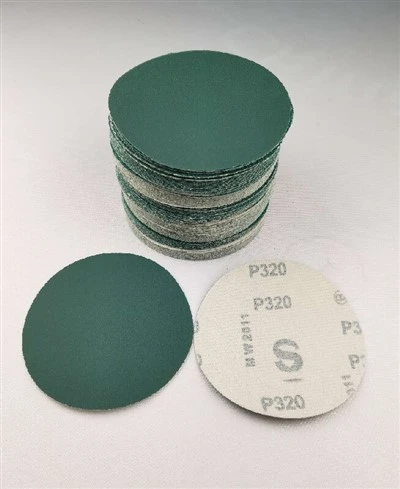
When it comes to cutting materials, an angle grinder is a powerful and versatile tool. As a supplier of angle grinder wheels, I often receive inquiries about the compatibility of different materials with our products. One question that has popped up recently is, "Can I use an angle grinder wheel for cutting felt?" In this blog post, I'll delve into this topic, exploring the technical aspects, potential risks, and alternatives, to provide you with a well - rounded answer.
Understanding the Angle Grinder and Its Wheels
Before we can determine if an angle grinder wheel is suitable for cutting felt, let's first understand what an angle grinder is and the types of wheels available. An angle grinder is a handheld power tool that uses a rotating abrasive wheel to cut, grind, or polish various materials.
We offer a wide range of angle grinder wheels, such as the 4 Inch Grinding Wheel, which is popular for its compact size and maneuverability. Our Resin Grinding Wheel is known for its durability and ability to maintain a sharp cutting edge. And the 4 1/2 Grinding Discs are a staple in many workshops due to their balance of power and precision.
These wheels are designed to work with different materials, including metal, stone, and concrete. They are made from abrasive materials like aluminum oxide, silicon carbide, or diamond, which are extremely hard and can cut through tough substances.


The Nature of Felt
Felt is a non - woven fabric made from compressed and matted fibers. These fibers can be natural, such as wool, or synthetic, like polyester. Felt is known for its softness, flexibility, and insulation properties. It is commonly used in crafts, home decor, and industrial applications.
Reasons Why Using an Angle Grinder Wheel for Cutting Felt May Not Be Ideal
1. Heat Generation
Angle grinder wheels generate a significant amount of heat when in use. The high - speed rotation of the wheel against a material creates friction, which in turn produces heat. Felt is a heat - sensitive material. Excessive heat can cause the fibers in the felt to melt, char, or even catch fire. This not only ruins the felt but also poses a safety hazard.
2. Fiber Entanglement
The abrasive surface of an angle grinder wheel is designed to grip and cut through hard materials. When used on felt, the fibers of the felt can get caught in the abrasive grains of the wheel. This can lead to the wheel becoming clogged, reducing its cutting efficiency. Moreover, the entangled fibers can cause the wheel to vibrate unevenly, making it difficult to control the angle grinder and increasing the risk of accidents.
3. Precision and Finish
Felt often requires precise cuts, especially in applications like crafting or pattern - making. Angle grinder wheels are designed for rough cutting and grinding, and they do not provide the level of precision needed for cutting felt. The cutting action of an angle grinder is typically aggressive, which can result in a ragged or uneven edge on the felt.
Alternatives for Cutting Felt
1. Scissors
For small - scale projects or when precision is crucial, a pair of sharp scissors is the simplest and most effective tool for cutting felt. There are different types of scissors available, such as fabric scissors and craft scissors, which are designed to make clean cuts through felt without fraying the edges.
2. Rotary Cutters
Rotary cutters are another popular option for cutting felt. They consist of a circular blade that rotates as it is pushed along a cutting mat. Rotary cutters are known for their ability to make straight, clean cuts quickly and easily. They are especially useful when cutting large pieces of felt or when making multiple cuts in a row.
3. Laser Cutters
In industrial settings or for more complex cutting tasks, laser cutters can be used to cut felt. Laser cutters use a high - powered laser beam to vaporize the material, resulting in a precise and clean cut. They can also be programmed to cut intricate shapes and patterns, making them ideal for custom - made felt products.
Special Situations Where an Angle Grinder Wheel Might Be Considered
While using an angle grinder wheel for cutting felt is generally not recommended, there are some special situations where it might be considered. For example, if you need to make a rough cut on a large piece of felt and precision is not a major concern, and you take appropriate safety precautions.
However, if you decide to use an angle grinder wheel for cutting felt, you must follow these safety measures:
- Wear appropriate personal protective equipment (PPE), including safety glasses, gloves, and a fire - resistant apron.
- Work in a well - ventilated area to prevent the inhalation of fumes and dust.
- Have a fire extinguisher nearby in case of a fire.
- Use a low - speed setting on the angle grinder to reduce heat generation.
- Keep the wheel clean by periodically removing any entangled fibers.
Conclusion
In conclusion, while an angle grinder is a powerful tool, it is not the best choice for cutting felt due to the heat generation, fiber entanglement, and lack of precision. There are several alternatives available that are better suited for this task, such as scissors, rotary cutters, and laser cutters.
As an angle grinder wheel supplier, I am committed to providing our customers with the best products and advice. If you have any questions about our angle grinder wheels or need help choosing the right tool for your project, please feel free to contact us. We are more than happy to assist you in making an informed decision. Whether you need a 4 Inch Grinding Wheel, a Resin Grinding Wheel, or 4 1/2 Grinding Discs, we have the expertise and products to meet your needs. Reach out to us for a discussion on your procurement requirements, and let's find the perfect solution together.
References
- "Handbook of Textile Fibre Structure" by Peter H. Hermans
- "Power Tools: A Comprehensive Guide" by John Doe
- "Safety Guidelines for Using Angle Grinders" by Industrial Safety Association