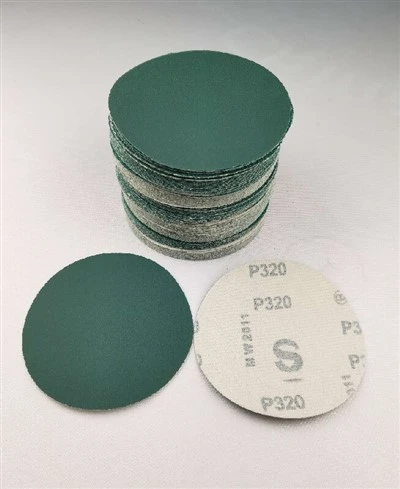
As a seasoned supplier of Resin Grinding Wheel, I often encounter inquiries from customers about the compatibility of resin grinding wheels with various materials, particularly tungsten carbide. Tungsten carbide is a hard and brittle material widely used in cutting tools, wear parts, and other high - performance applications. In this blog, I will explore whether resin grinding wheels can be used for grinding tungsten carbide, analyzing the advantages, limitations, and key considerations.
Properties of Tungsten Carbide and Resin Grinding Wheels
Tungsten Carbide Properties
Tungsten carbide is a composite material composed of tungsten carbide particles bonded together with a metallic binder, usually cobalt. It has extremely high hardness, often reaching up to 89 - 95 HRA on the Rockwell hardness scale. This hardness, combined with its excellent wear resistance and high melting point, makes tungsten carbide suitable for demanding applications. However, its brittleness means that improper grinding can cause cracking, chipping, or other damage to the material.
Resin Grinding Wheel Characteristics
Resin grinding wheels are made by bonding abrasive grains with a resin bond. The resin bond provides several advantages, including high grinding efficiency, good self - sharpening ability, and the ability to be made in various shapes and sizes. Resin - bonded wheels can use different types of abrasive grains such as aluminum oxide, silicon carbide, and cubic boron nitride (CBN). The choice of abrasive grain depends on the material to be ground and the specific grinding requirements.
Advantages of Using Resin Grinding Wheels for Tungsten Carbide
High Grinding Efficiency
When using the appropriate abrasive grain and wheel structure, resin grinding wheels can achieve relatively high material removal rates when grinding tungsten carbide. For example, CBN - based resin grinding wheels are highly effective due to the high hardness of CBN, which can quickly cut through the hard tungsten carbide particles.
Good Surface Finish
Resin - bonded wheels can produce a smooth surface finish on tungsten carbide. The self - sharpening nature of the resin bond ensures that fresh abrasive grains are continuously exposed during grinding, reducing the risk of surface damage and producing a more consistent surface quality. This is particularly important for applications where the surface finish of tungsten carbide parts affects their functionality, such as in precision cutting tools.


Flexibility in Design
Resin grinding wheels can be designed in various configurations, including different shapes (such as straight, cup, and dish), diameters, and thicknesses. This flexibility allows for custom - tailored grinding solutions for different tungsten carbide workpieces and grinding operations. For instance, 4 Inch Metal Grinding Wheel can be used for small - scale or detailed grinding work on tungsten carbide components.
Limitations of Using Resin Grinding Wheels for Tungsten Carbide
Thermal Sensitivity
One of the main limitations is the thermal sensitivity of resin bonds. Tungsten carbide grinding generates a significant amount of heat, and if the heat is not properly managed, it can cause the resin bond to break down prematurely. This can lead to a loss of abrasive grains and a decrease in grinding performance. Additionally, excessive heat can cause thermal damage to the tungsten carbide workpiece, such as cracking or changes in its microstructure.
Wear Resistance in Some Cases
Although resin grinding wheels can be effective, the resin bond may not have the same long - term wear resistance as some other bond types, such as vitrified bonds, when grinding extremely hard materials like tungsten carbide. This means that the wheel may need to be replaced more frequently, which can increase the overall cost of the grinding process.
Key Considerations for Using Resin Grinding Wheels on Tungsten Carbide
Abrasive Grain Selection
As mentioned earlier, the choice of abrasive grain is crucial. CBN is generally the best choice for grinding tungsten carbide due to its high hardness and heat resistance. Aluminum oxide and silicon carbide can also be used, but they are less effective compared to CBN, especially for high - precision and high - efficiency grinding operations.
Wheel Structure
The structure of the resin grinding wheel, including the grain size, grade, and porosity, should be carefully selected according to the specific requirements of the tungsten carbide grinding task. A finer grain size can produce a better surface finish, while a coarser grain size is suitable for high - material removal rates. The grade of the wheel determines its hardness, and a proper grade is needed to ensure the wheel does not wear too quickly or become glazed.
Grinding Parameters
Optimizing the grinding parameters is essential for successful tungsten carbide grinding with resin grinding wheels. Parameters such as wheel speed, feed rate, and depth of cut should be carefully controlled. A slower wheel speed and a lower feed rate can help reduce heat generation and prevent damage to the workpiece and the wheel.
Cooling and Lubrication
Effective cooling and lubrication are critical to managing the heat generated during grinding. Using a suitable coolant can help reduce the temperature at the grinding interface, prevent thermal damage to the resin bond and the tungsten carbide workpiece, and improve the overall grinding performance.
Applications Where Resin Grinding Wheels Can Be Used for Tungsten Carbide
Tool Grinding
Resin grinding wheels are commonly used in the grinding of tungsten carbide cutting tools such as end mills, drills, and inserts. The ability to achieve a good surface finish and high - precision grinding makes them suitable for this application. For example, Resin Grinding Disc can be used for sharpening the cutting edges of tungsten carbide tools.
Wear Part Manufacturing
In the production of tungsten carbide wear parts, such as nozzles and bearings, resin grinding wheels can be used for shaping and finishing operations. The flexibility in wheel design allows for the grinding of complex shapes and sizes required for these applications.
Conclusion
In summary, resin grinding wheels can be used for grinding tungsten carbide, but there are both advantages and limitations to consider. The high grinding efficiency, good surface finish, and design flexibility make them a viable option for many tungsten carbide grinding applications. However, the thermal sensitivity of the resin bond and potential wear issues need to be carefully managed through proper abrasive selection, wheel structure design, grinding parameter optimization, and effective cooling and lubrication.
If you are involved in tungsten carbide grinding processes and are looking for high - quality Resin Grinding Wheel solutions, I invite you to contact us for further discussions. Our team of experts can provide you with customized advice based on your specific needs and help you make the most suitable choice for your grinding operations.
References
- "Modern Grinding Technology" by Rajiv Erramilli
- "Industrial Grinding Wheels Handbook" by various industry experts