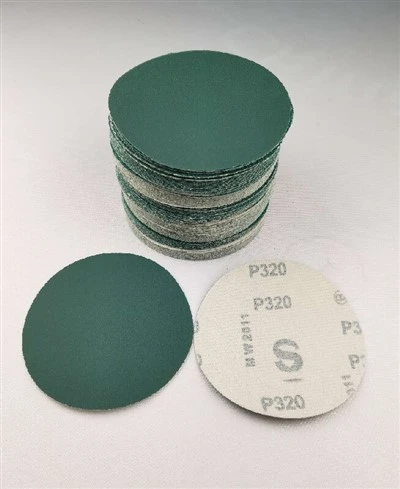
Hey there, fellow grinding enthusiasts! As a supplier of 3m Grinding Disc, I've gotten a ton of questions about how the porosity of these discs affects their performance. So, I thought I'd dive deep into this topic and share some insights with you.
What is Porosity in a 3m Grinding Disc?
First off, let's talk about what porosity actually means in the context of a 3m grinding disc. Porosity refers to the amount of empty space or pores within the disc's structure. These pores can vary in size, shape, and distribution. You can think of it like a sponge. A sponge with lots of big pores can hold more water, right? Well, in a grinding disc, these pores play a crucial role in how the disc cuts and grinds.
Impact on Cutting Efficiency
One of the most significant ways porosity affects the performance of a 3m grinding disc is cutting efficiency. When you're grinding or cutting a material, the disc generates heat. If this heat isn't managed properly, it can lead to a bunch of problems, like the disc glazing over or the material getting overheated and warped.
A grinding disc with a higher porosity has more space for the heat and debris to escape. The pores act as little channels, allowing the heat to dissipate and the debris to be ejected from the cutting area. This means the disc can keep cutting effectively without getting bogged down by the heat and debris. For example, if you're using a 3m Grinding Disc to cut through thick metal, a disc with higher porosity will be able to maintain a consistent cutting speed and quality for longer periods.
On the other hand, a disc with low porosity may start to lose its cutting edge quickly. The heat and debris can build up, causing the disc to clog and reduce its effectiveness. You'll find yourself having to apply more pressure to keep the cutting going, which can not only be tiring but also increase the risk of damaging the material or the disc itself.
Surface Finish
The porosity of a 3m grinding disc also has a big impact on the surface finish of the material you're working on. When you're grinding, you want to achieve a smooth and even surface. A high - porosity disc can help with this.
The pores in the disc allow the abrasive particles to cut through the material more freely. They prevent the abrasive from rubbing too harshly against the surface, which can cause scratches and unevenness. As a result, you get a smoother finish. This is especially important when you're working on materials where the surface finish is critical, like when you're preparing a metal surface for painting or when you're working on a piece of precision machinery.
Conversely, a low - porosity disc may leave a rougher surface finish. The lack of pores means the abrasive particles are more likely to drag across the surface, creating small scratches and uneven areas. If you're aiming for a high - quality finish, a low - porosity disc might not be the best choice.
Abrasive Grain Retention
Another aspect that's affected by porosity is abrasive grain retention. The abrasive grains on a grinding disc are what do the actual cutting. If these grains fall off too easily, the disc won't be able to perform effectively.
A disc with an appropriate level of porosity can hold the abrasive grains in place better. The pores in the disc structure provide a bit of flexibility, which allows the disc to absorb some of the shock and vibration during grinding. This helps to prevent the abrasive grains from being knocked out prematurely.
However, if the porosity is too high, the disc may not be able to hold the grains firmly enough, and they may start to fall out. On the other hand, if the porosity is too low, the disc can become too rigid, and the grains may fracture under the pressure, also leading to a decrease in performance. So, finding the right balance of porosity is key to ensuring good abrasive grain retention.
Selecting the Right Porosity for Your Application
Now that we know how porosity affects the performance of a 3m grinding disc, how do we choose the right one for our specific application?
If you're working on a soft material, like aluminum or wood, you can usually get away with a disc with lower porosity. These materials generate less heat and debris, so a lower - porosity disc can still perform well. You might also want a lower - porosity disc if you're looking for a more aggressive cut.
For harder materials, like steel or stainless steel, a disc with higher porosity is often a better choice. These materials generate more heat and debris during grinding, so the higher porosity helps to manage these issues. Additionally, if you're aiming for a smooth surface finish, especially on hard materials, a high - porosity disc can be very beneficial.
Other Considerations
It's important to note that porosity isn't the only factor that affects the performance of a 3m grinding disc. The type of abrasive material, the bond strength, and the disc's size and shape also play crucial roles.


For example, different abrasive materials have different cutting properties. Some are better at cutting through hard materials, while others are more suitable for softer ones. The bond strength determines how well the abrasive grains are held together. A stronger bond may be better for heavy - duty applications, while a weaker bond can be used for more delicate work.
Conclusion
In conclusion, the porosity of a 3m grinding disc has a significant impact on its performance. It affects cutting efficiency, surface finish, and abrasive grain retention. By understanding how porosity works and choosing the right disc for your application, you can get the best results from your grinding and cutting tasks.
If you're in the market for high - quality 3m Grinding Disc, Resion Cutting Disc, Super Thin Cutting Wheel, or Multi - function Grinding Wheel, we've got you covered. We offer a wide range of products to meet your specific needs. Whether you're a professional tradesperson or a DIY enthusiast, we can help you find the perfect disc. If you have any questions or want to discuss your requirements, feel free to reach out. We're here to assist you in making the right choice for your projects.
References
- "Grinding Technology: Theory and Applications of Machining with Abrasives" by Stephen Malkin
- "Handbook of Abrasive Technology" edited by Brian L. Holt