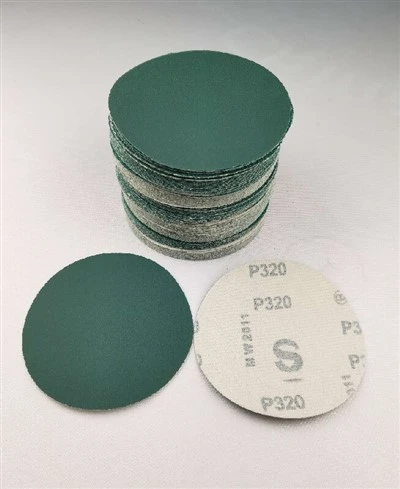
The shape of an angle grinder wheel is a critical factor that significantly impacts its application. As a leading supplier of angle grinder wheels, I've witnessed firsthand how different wheel shapes cater to various tasks. In this blog, we'll explore the relationship between the shape of an angle grinder wheel and its practical applications.
Straight Wheels
Straight wheels are among the most common shapes in angle grinder wheels. They have a simple, cylindrical design with a flat face. This shape makes them versatile and suitable for a wide range of applications.
One of the primary uses of straight wheels is surface grinding. When you need to smooth out rough surfaces, such as metal plates or concrete floors, a straight wheel can be your best friend. The flat face allows for even contact with the surface, ensuring a consistent finish. For example, in metal fabrication shops, workers often use straight wheels to remove weld beads and smooth the edges of metal parts. The 4 1/2 Grinding Discs in a straight - wheel shape are particularly popular for these tasks due to their manageable size and efficient grinding performance.
Straight wheels are also great for sharpening tools. Whether it's a chisel, a drill bit, or a knife, the flat surface of the wheel can be used to create a sharp edge. The even pressure distribution across the wheel's face helps maintain the correct angle of the tool being sharpened, resulting in a precise and durable edge.
Tapered Wheels
Tapered wheels have a conical shape, with one end wider than the other. This unique shape gives them some distinct advantages in certain applications.


One of the main uses of tapered wheels is in contour grinding. When you need to create or follow a specific curve or shape on a workpiece, a tapered wheel can be highly effective. For instance, in the manufacturing of custom - shaped metal components, such as gears or turbine blades, tapered wheels can be used to grind the precise contours required. The tapered design allows the wheel to reach into tight spaces and follow complex curves with ease.
Tapered wheels are also useful for grinding grooves. In woodworking or metalworking, creating grooves of a specific width and depth is often necessary. The tapered shape of the wheel can be adjusted to fit the groove's dimensions, making it possible to achieve accurate results. The 4 Inch Grinding Wheel in a tapered form is a popular choice for these types of tasks, as it offers a good balance between size and maneuverability.
Dish Wheels
Dish wheels have a concave shape, resembling a shallow dish. This shape provides them with unique capabilities for specific applications.
One of the key applications of dish wheels is in grinding the edges of thin materials. When working with materials like glass, ceramics, or thin metal sheets, a dish wheel can prevent chipping and cracking. The concave shape allows the wheel to make contact with the edge of the material at a more gradual angle, reducing the stress on the material. For example, in the glass - cutting industry, dish wheels are used to smooth and bevel the edges of glass panels, giving them a polished and professional look.
Dish wheels are also suitable for precision grinding in areas where space is limited. The concave design allows the wheel to access areas that are difficult to reach with other wheel shapes. This makes them ideal for tasks such as grinding the internal corners of small metal parts or the edges of intricate jewelry pieces.
Cylinder Wheels
Cylinder wheels, similar to straight wheels but with a larger diameter and shorter width, are designed for specific heavy - duty applications.
In large - scale metalworking operations, such as the production of steel beams or pipes, cylinder wheels are used for high - volume material removal. The large diameter of the wheel allows for a greater contact area with the workpiece, enabling faster grinding. This results in increased productivity and reduced processing time. For example, in a steel mill, cylinder wheels can be used to grind the rough surfaces of newly - formed steel products, preparing them for further processing.
Cylinder wheels are also used in the automotive industry for grinding engine blocks and other large components. The high - speed rotation of the large - diameter wheel can quickly remove excess material and achieve the required surface finish. The Best Grinding Discs in a cylinder shape are engineered to withstand the high pressures and temperatures generated during these heavy - duty grinding operations.
Choosing the Right Wheel Shape for Your Application
When selecting an angle grinder wheel, it's essential to consider the specific requirements of your task. Here are some factors to keep in mind:
- Type of Material: Different materials require different wheel shapes for optimal grinding. For example, hard materials like ceramics may need a wheel shape that can provide a precise and gentle grind, while softer materials like wood may allow for more aggressive grinding with a different wheel shape.
- Desired Finish: If you need a smooth, polished finish, a straight or dish wheel may be more suitable. On the other hand, if you're looking to remove a large amount of material quickly, a cylinder or tapered wheel might be the better choice.
- Workpiece Shape: The shape of the workpiece also plays a crucial role. If the workpiece has complex curves or tight spaces, a tapered or dish wheel may be necessary to access those areas. For flat surfaces, a straight or cylinder wheel is usually the best option.
As a supplier of angle grinder wheels, we understand the importance of providing our customers with the right products for their needs. We offer a wide range of wheel shapes and sizes to ensure that you can find the perfect wheel for your application. Whether you're a professional tradesperson or a DIY enthusiast, our high - quality angle grinder wheels are designed to deliver excellent performance and durability.
If you're interested in learning more about our angle grinder wheels or have specific requirements for your projects, we encourage you to reach out to us. Our team of experts is always ready to assist you in choosing the right wheel shape and provide you with all the information you need. Contact us today to start a discussion about your procurement needs and let us help you find the best solution for your grinding tasks.
References
- "Handbook of Abrasive Technology" by Ramesh Singh
- "Grinding Technology: Theory and Applications of Machining with Abrasives" by Wangen Lin