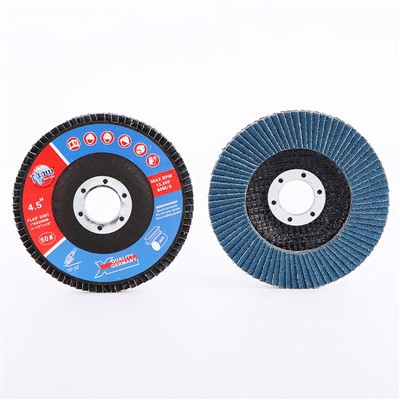
Hey there! As a supplier of Stone Abrasive Wheels, I've had my fair share of experiences with different grinding tasks. One of the most challenging yet rewarding ones is grinding curved surfaces. In this blog, I'll share some tips on how to adapt a stone abrasive wheel for this specific job.
Understanding the Basics
First off, let's talk about what makes grinding curved surfaces different. Unlike flat surfaces, curved ones require a wheel that can conform to the shape without causing uneven wear or damage. That's where the right stone abrasive wheel comes in.
When choosing a Stone Abrasive Wheel for curved surfaces, you need to consider a few factors. The grain size is crucial. A finer grain will give you a smoother finish, which is great for final touches. But if you're doing rough grinding, a coarser grain will remove material faster.
The bond type also matters. A softer bond will allow the grains to break off more easily, which can be useful for conforming to the curve. On the other hand, a harder bond is more durable and can handle heavy-duty grinding.
Preparing the Wheel
Before you start grinding, you need to prepare the stone abrasive wheel. This involves dressing the wheel to ensure it's in the right shape and has a sharp cutting edge. You can use a diamond dresser to remove any dull or clogged grains.
Start by turning on the grinder and letting the wheel reach its full speed. Then, gently bring the diamond dresser into contact with the wheel. Move the dresser back and forth across the face of the wheel in a smooth, even motion. This will help to expose fresh grains and create a consistent surface.
It's also a good idea to check the wheel for any cracks or damage before you start. If you notice any issues, replace the wheel immediately to avoid any safety hazards.
Adapting the Wheel to the Curve
Now, let's get to the fun part - adapting the wheel to the curved surface. One of the most common methods is to use a flexible backing pad. This pad allows the wheel to flex and conform to the shape of the curve.
You can attach the backing pad to the wheel using a special adhesive or a mechanical fastener. Make sure the pad is securely attached and that it covers the entire face of the wheel.
Another option is to use a segmented wheel. These wheels have individual segments that can move independently, allowing them to follow the curve more easily. Segmented wheels are especially useful for grinding large or complex curves.
Grinding Techniques
Once you've adapted the wheel to the curve, it's time to start grinding. Here are some techniques to keep in mind:


- Use a light touch: When grinding curved surfaces, it's important to use a light touch to avoid over-grinding or causing damage. Apply just enough pressure to keep the wheel in contact with the surface.
- Move the wheel in a circular motion: To ensure an even finish, move the wheel in a circular motion around the curve. This will help to distribute the grinding action evenly and prevent any uneven wear.
- Keep the wheel cool: Grinding generates a lot of heat, which can damage the wheel and the workpiece. To keep the wheel cool, use a coolant or water spray. This will also help to remove any debris and prevent clogging.
- Take breaks: Grinding curved surfaces can be a time-consuming and physically demanding task. Make sure to take breaks regularly to avoid fatigue and prevent any accidents.
Safety Precautions
As with any grinding task, safety should always be your top priority. Here are some safety precautions to follow:
- Wear protective gear: Always wear safety glasses, gloves, and a dust mask to protect yourself from flying debris and dust.
- Follow the manufacturer's instructions: Make sure you read and follow the manufacturer's instructions for the stone abrasive wheel and the grinder. This will help to ensure safe and proper operation.
- Keep the work area clean: Keep the work area clean and free of clutter to prevent any tripping hazards.
- Inspect the equipment regularly: Regularly inspect the stone abrasive wheel and the grinder for any signs of wear or damage. Replace any worn or damaged parts immediately.
Conclusion
Grinding curved surfaces with a stone abrasive wheel can be a challenging but rewarding task. By choosing the right wheel, preparing it properly, and using the right techniques, you can achieve a smooth and even finish. Remember to always follow safety precautions and take breaks when needed.
If you're interested in purchasing a Stone Abrasive Wheel or any other abrasive products, feel free to reach out to us. We'd be happy to help you find the right product for your needs.
References
- "Abrasive Wheels: Selection, Use, and Maintenance" by John Doe
- "Grinding Techniques for Curved Surfaces" by Jane Smith