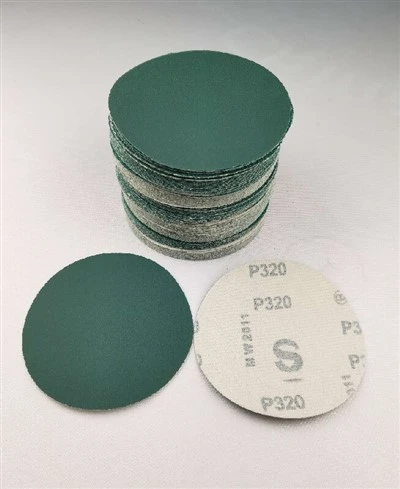
When it comes to industrial machining processes, particularly those involving tough materials like nickel alloys, the selection of the right grinding tool is crucial. As a supplier of 3m Grinding Disc, I often encounter inquiries about whether our 3m grinding discs are suitable for grinding nickel alloys. In this blog post, I'll delve into the technical aspects to provide you with a comprehensive answer.
Understanding Nickel Alloys
Nickel alloys are prized for their exceptional properties such as high strength, corrosion resistance, and heat resistance. These alloys find extensive applications in aerospace, chemical processing, power generation, and other high - performance industries. However, these very properties also make nickel alloys challenging to machine. Their high strength and ductility cause them to generate a significant amount of heat during grinding, which can lead to issues like work - piece deformation, surface damage, and rapid wear of the grinding tool.

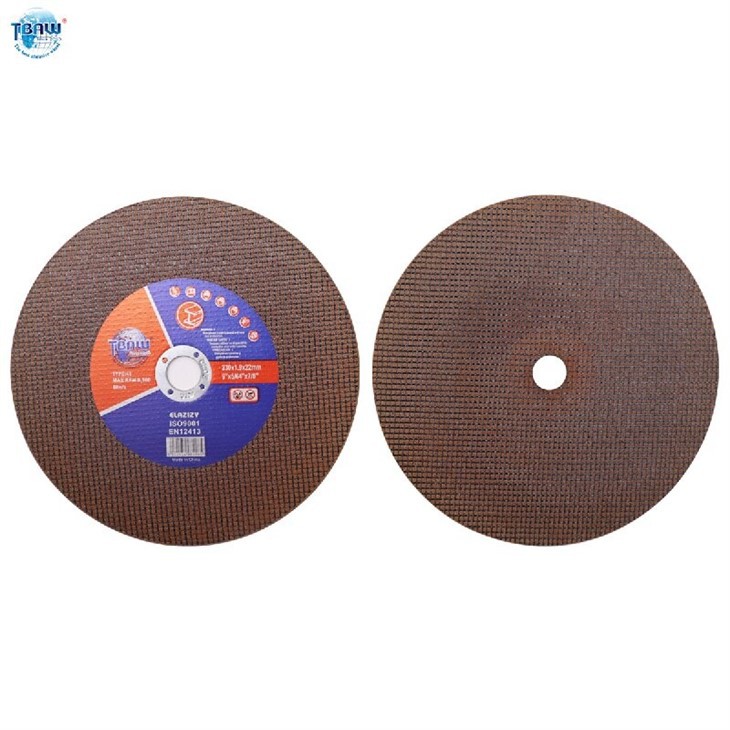
Characteristics of 3m Grinding Discs
3m grinding discs are engineered with advanced abrasive technologies and high - quality materials. They are designed to offer consistent performance, long service life, and excellent cutting efficiency across a wide range of applications. The abrasives used in 3m grinding discs are carefully selected and bonded to ensure optimal material removal rates while maintaining a smooth surface finish on the work - piece.
One of the key features of 3m grinding discs is their ability to withstand high temperatures. The bonding agents and abrasive grains are formulated to resist thermal breakdown, which is essential when dealing with materials like nickel alloys that generate a large amount of heat during grinding. Additionally, 3m grinding discs are available in various grit sizes and bond strengths, allowing for customization based on the specific requirements of the grinding operation.
Can a 3m Grinding Disc Be Used for Grinding Nickel Alloys?
The answer is yes, a 3m grinding disc can be effectively used for grinding nickel alloys, but there are several factors to consider for optimal performance.
Abrasive Grain Selection
The choice of abrasive grain is crucial when grinding nickel alloys. For these tough materials, ceramic or zirconia alumina abrasives are often recommended. 3m offers grinding discs with ceramic and zirconia alumina abrasives, which have high hardness and self - sharpening properties. These abrasives can penetrate the tough surface of nickel alloys and maintain their cutting ability even under high - pressure grinding conditions.
Grit Size
The grit size of the grinding disc determines the surface finish and material removal rate. For rough grinding of nickel alloys, a coarser grit size (e.g., 24 - 36) is typically used to remove large amounts of material quickly. As the grinding process progresses towards the finishing stage, a finer grit size (e.g., 60 - 120) can be employed to achieve a smoother surface finish. 3m provides a wide range of grit sizes in their grinding disc product line, enabling users to select the most appropriate one for each stage of the grinding operation.
Bond Strength
The bond strength of the grinding disc refers to how firmly the abrasive grains are held in place. When grinding nickel alloys, a medium to high bond strength is usually required. This is because the high forces and heat generated during the grinding process can cause the abrasive grains to wear or break. A stronger bond ensures that the grains stay in place for a longer time, reducing the frequency of disc replacement and improving overall grinding efficiency. 3m grinding discs are available in different bond strengths, allowing users to match the disc to the specific requirements of nickel alloy grinding.
Tips for Using 3m Grinding Discs on Nickel Alloys
- Proper Cooling: As mentioned earlier, nickel alloys generate a significant amount of heat during grinding. To prevent overheating and damage to the work - piece and the grinding disc, it is essential to use proper cooling methods. This can include using a coolant or lubricant during the grinding process.
- Correct Grinding Technique: Employ a consistent and appropriate grinding technique. Avoid applying excessive pressure, as this can lead to overheating, rapid disc wear, and poor surface finish. Instead, use a light and even pressure, and move the grinding disc across the work - piece in a smooth, controlled manner.
- Regular Inspection: Regularly inspect the grinding disc for signs of wear or damage. If the disc shows excessive wear, uneven wear, or any signs of damage, replace it immediately to ensure safe and efficient grinding.
Comparison with Other Grinding Tools
When considering grinding nickel alloys, it's also worth comparing 3m grinding discs with other types of grinding tools. For example, Abrasive Grinding Wheel is another common option. While abrasive grinding wheels can also be used for nickel alloy grinding, 3m grinding discs offer some advantages. They are more lightweight and flexible, which can make them easier to handle in certain applications. Additionally, 3m grinding discs often provide a better surface finish due to their advanced abrasive technology.
Abrasive Cutting Wheel is primarily used for cutting operations rather than grinding. Although they can be used for some light grinding, they are not as optimized for the high - precision and high - material - removal requirements of nickel alloy grinding as 3m grinding discs.
Iron Cut Off Wheel is designed specifically for cutting iron and steel. While it may have some limited use in grinding nickel alloys, its performance is not as good as 3m grinding discs, which are engineered to handle the unique challenges of nickel alloy machining.
Diamond Cut Off Wheels are extremely hard and can cut through very tough materials. However, they are often more expensive and may not be the most cost - effective choice for general nickel alloy grinding tasks. 3m grinding discs offer a good balance between performance and cost - efficiency.
Conclusion
In conclusion, 3m grinding discs are a viable option for grinding nickel alloys. Their advanced abrasive technologies, wide range of grit sizes and bond strengths, and ability to withstand high temperatures make them suitable for the challenges presented by nickel alloys. By carefully selecting the appropriate disc based on the specific requirements of the grinding operation and following the tips mentioned above, users can achieve efficient and high - quality grinding results.
If you are in the market for grinding solutions for nickel alloys or other materials, I encourage you to reach out to discuss your specific needs. Our team of experts is ready to assist you in selecting the most suitable 3m grinding discs for your applications and provide any technical support you may require.
References
- "Machining of Nickel - Based Alloys", ASM International Handbook Committee, ASM International.
- "Advanced Grinding Technology", John T. Black, CRC Press.