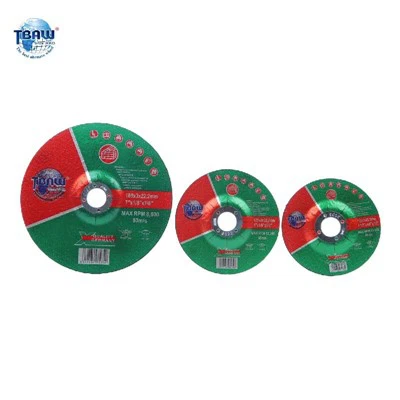
In the world of metalworking, construction, and various industrial applications, the performance of a cut - off wheel can significantly impact productivity, quality, and cost - effectiveness. As a trusted Cut - off Wheel supplier, I've witnessed firsthand the importance of optimizing cut - off wheel performance. Here, I'll share some valuable insights on how to enhance the cutting performance of a cut - off wheel.
Understanding the Basics of Cut - off Wheels
Before delving into performance improvement strategies, it's crucial to understand what a cut - off wheel is. A cut - off wheel, also known as a Cut Off Disc, is a thin, circular abrasive tool designed for cutting through materials such as metal, stone, and concrete. These wheels are typically made of abrasive grains bonded together with a resin or other binding agents.
The key components affecting a cut - off wheel's performance are the abrasive material, the bond type, and the wheel's structure. Abrasive materials like aluminum oxide, silicon carbide, and diamond offer different levels of hardness and cutting ability. The bond holds the abrasive grains in place and influences the wheel's wear rate and cutting efficiency. Meanwhile, the wheel's structure, including the grain size and distribution, determines the surface finish and cutting speed.
Selecting the Right Cut - off Wheel
One of the most important steps in improving cutting performance is selecting the appropriate cut - off wheel for the job. Different applications require different types of wheels.
For general metal cutting, aluminum oxide - based Cut - off Wheels are often a good choice. They offer a balance of cost, durability, and cutting performance. When cutting harder metals such as stainless steel, wheels with a higher concentration of abrasive grains or a specialized bond may be necessary.
If the task involves cutting multiple materials or requires versatility, a Multi - function Cutting Disc or Multi - function Cutting Disk can be a great option. These disks are engineered to handle different materials, which can save time and money by eliminating the need to switch wheels for different cutting jobs.
In addition, consider the size and thickness of the cut - off wheel. The diameter of the wheel should be compatible with the tool being used, and the thickness should be appropriate for the depth of cut required. A thicker wheel may be more suitable for heavy - duty cutting, while a thinner wheel can provide a cleaner, more precise cut.
Proper Tool Setup and Maintenance
Once the right cut - off wheel is selected, proper tool setup is essential. Ensure that the wheel is correctly installed on the cutting tool, following the manufacturer's instructions. A misaligned or loosely mounted wheel can cause uneven cutting, vibration, and premature wheel wear.
Regular maintenance of the cutting tool is also crucial. Keep the tool clean and lubricated to prevent overheating and ensure smooth operation. Check the arbor (the spindle on which the wheel is mounted) for wear and damage, as a worn arbor can lead to reduced cutting performance.
Optimizing Cutting Parameters
Several cutting parameters can be adjusted to enhance the performance of a cut - off wheel. These include cutting speed, feed rate, and pressure.
Cutting speed refers to the rotational speed of the cut - off wheel. It should be set according to the type of material being cut and the wheel's specifications. Cutting too fast can cause the wheel to wear out quickly, while cutting too slowly may result in inefficient cutting and a poor surface finish.
The feed rate is the speed at which the material is moved into the rotating wheel. A proper feed rate ensures that the abrasive grains are constantly engaged with the material, removing chips efficiently. If the feed rate is too high, the wheel may become overloaded and break. Conversely, a low feed rate can cause excessive heat generation and dull the wheel.
Applying the right amount of pressure is also important. Excessive pressure can cause the wheel to overheat, crack, or wear prematurely. On the other hand, insufficient pressure may lead to ineffective cutting. Find a balance by starting with a light pressure and gradually increasing it as needed during the cutting process.
Using Coolants and Lubricants
Coolants and lubricants can play a significant role in improving the cutting performance of a cut - off wheel. They help to reduce heat generation, which can prevent the wheel from overheating and wearing out quickly. Heat is a major factor that can degrade the bond holding the abrasive grains and reduce cutting efficiency.
For dry cutting applications, using a lubricious cutting fluid can provide a thin film between the wheel and the material, reducing friction and wear. In wet cutting applications, water - based coolants can be used to carry away chips and heat, while also improving the surface finish of the cut.
Operator Training and Technique
The skill and technique of the operator can greatly impact the performance of a cut - off wheel. Providing proper training to operators is essential. Train them on how to select the right wheel, set up the tool correctly, and adjust the cutting parameters.
In addition, teach operators the proper cutting technique. For example, they should make smooth, continuous cuts rather than jerky or interrupted ones. Maintaining a consistent angle between the wheel and the material can also improve cutting efficiency and the quality of the cut.
Advanced Cut - off Wheel Technologies
The cutting industry is constantly evolving, and new technologies are being developed to improve cut - off wheel performance. For example, Depressed Cutting Disks have a depressed center, which allows for better access to hard - to - reach areas and provides a more comfortable cutting experience. These disks can be particularly useful in applications such as pipe cutting and beveling.
Some cut - off wheels are also designed with advanced bonding technologies. These bonds can improve the wheel's durability and cutting performance by better holding the abrasive grains in place, even under high - stress cutting conditions.


Conclusion and Call to Action
Enhancing the cutting performance of a cut - off wheel requires a combination of factors, from selecting the right wheel and optimizing cutting parameters to proper tool maintenance and operator training. By implementing these strategies, businesses can improve their productivity, reduce costs associated with wheel replacement, and achieve higher - quality cuts.
If you're looking to improve your cutting operations and source high - quality cut - off wheels, we're here to help. As a leading Cut - off Wheel supplier, we offer a wide range of products, including Depressed Cutting Disks, Cut Off Discs, Multi - function Cutting Disks, Cut - off Wheels, and Multi - function Cutting Discs. Our team of experts can assist you in selecting the most suitable products for your specific needs. Contact us today to start a discussion about your procurement requirements and take your cutting performance to the next level.
References
- ASM Handbook, Volume 16: Machining. ASM International.
- Encyclopedia of Materials: Science and Technology. Elsevier.
- Cutting Tool Engineering: A Comprehensive Guide. Industrial Press Inc.