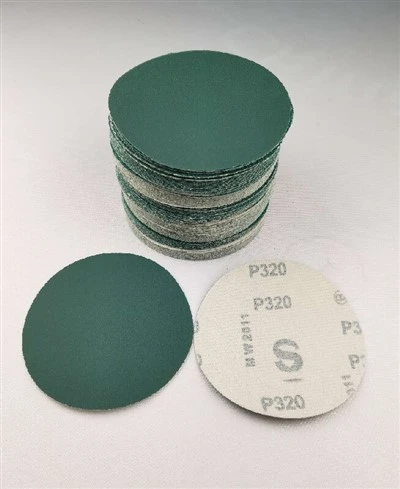
As a supplier of grinding discs, I've witnessed firsthand the pivotal role these tools play in various industries. From metal fabrication to construction, grinding discs are indispensable for shaping, smoothing, and finishing materials. However, one persistent challenge that users often encounter is the overheating of grinding discs. Overheating not only reduces the efficiency and lifespan of the disc but also poses significant safety risks. In this blog post, I'll share some practical tips on how to prevent a grinding disc from overheating, drawing on my years of experience in the industry.
Understanding the Causes of Overheating
Before delving into prevention strategies, it's essential to understand the root causes of grinding disc overheating. Several factors can contribute to this issue, including:
- Excessive Pressure: Applying too much pressure while grinding can generate excessive friction, leading to increased heat buildup. This is especially common when users try to rush the grinding process or are using a disc that is too small for the job.
- Incorrect Speed: Using a grinding disc at a speed that is either too high or too low can also cause overheating. Operating the disc at a speed that exceeds its recommended maximum can result in excessive friction and heat, while using it at a speed that is too low may cause the disc to bind and generate heat.
- Dull or Worn Discs: As grinding discs wear down over time, they become less efficient at removing material, which can lead to increased friction and heat. Using a dull or worn disc can also cause the disc to vibrate, further exacerbating the problem.
- Inadequate Cooling: Grinding generates a significant amount of heat, and without proper cooling, this heat can build up quickly and cause the disc to overheat. Inadequate cooling can be due to a lack of coolant, improper coolant flow, or using a coolant that is not suitable for the application.
- Incorrect Grinding Technique: Using the wrong grinding technique can also contribute to overheating. For example, grinding in a circular motion instead of a straight line can cause the disc to bind and generate heat. Additionally, grinding too slowly or too quickly can also lead to overheating.
Prevention Strategies
Now that we understand the causes of grinding disc overheating, let's explore some practical strategies for preventing it:


- Use the Right Disc for the Job: Selecting the appropriate grinding disc for the application is crucial for preventing overheating. Consider the material being ground, the type of grinder being used, and the desired finish when choosing a disc. Using a disc that is too hard or too soft for the material can result in increased friction and heat, so it's important to choose a disc that is specifically designed for the application. Best Grinding Discs offers a wide range of high-quality grinding discs that are designed to meet the needs of various applications.
- Maintain the Correct Speed: Operating the grinding disc at the correct speed is essential for preventing overheating. Refer to the manufacturer's recommendations for the recommended speed range for the disc and ensure that the grinder is set to the appropriate speed. Using a variable-speed grinder can provide more control over the grinding process and help prevent overheating.
- Replace Dull or Worn Discs: Regularly inspecting the grinding disc for signs of wear and replacing it when necessary is crucial for preventing overheating. A dull or worn disc can cause increased friction and heat, so it's important to replace it before it becomes too worn. Look for signs of wear such as a change in the color of the disc, a decrease in cutting performance, or excessive vibration.
- Use Adequate Cooling: Proper cooling is essential for preventing grinding disc overheating. Use a coolant that is specifically designed for the application and ensure that it is flowing freely and evenly over the disc. If using a wet grinding process, make sure the coolant is at the correct temperature and concentration. Additionally, consider using a grinder with a built-in cooling system or a coolant delivery system to ensure adequate cooling.
- Apply the Right Pressure: Applying the right amount of pressure while grinding is crucial for preventing overheating. Avoid applying too much pressure, as this can generate excessive friction and heat. Instead, apply a light, even pressure and let the disc do the work. If the disc starts to bind or generate excessive heat, reduce the pressure or stop grinding and allow the disc to cool down.
- Use the Correct Grinding Technique: Using the correct grinding technique is essential for preventing overheating. Grind in a straight line instead of a circular motion to prevent the disc from binding and generating heat. Additionally, maintain a consistent grinding speed and avoid grinding too slowly or too quickly. If you're unsure about the correct grinding technique, consult the manufacturer's recommendations or seek advice from a professional.
- Maintain the Grinder: Regular maintenance of the grinder is crucial for preventing overheating. Keep the grinder clean and free of debris, and lubricate the moving parts regularly to ensure smooth operation. Additionally, check the grinder's electrical connections and cords for any signs of damage or wear, and replace them if necessary.
- Train Operators: Proper training is essential for preventing grinding disc overheating. Make sure all operators are trained on the correct use and maintenance of the grinder and the grinding discs. Provide them with clear instructions on how to select the appropriate disc for the application, how to operate the grinder safely, and how to prevent overheating.
Conclusion
Preventing grinding disc overheating is essential for ensuring the safety and efficiency of the grinding process. By understanding the causes of overheating and implementing the prevention strategies outlined in this blog post, you can extend the lifespan of your grinding discs, improve the quality of your work, and reduce the risk of accidents and injuries. As a Grinding Disc Supplier, I'm committed to providing high-quality products and expert advice to help you achieve the best results. If you have any questions or need further assistance, please don't hesitate to contact me. I'd be happy to help you find the right grinding disc for your application and provide you with any support you need.
References
- American National Standards Institute (ANSI). (2018). ANSI B7.1-2018: Safety Requirements for Portable Abrasive Tool Grinding Wheels.
- Occupational Safety and Health Administration (OSHA). (2017). OSHA Technical Manual (OTM): Section IV, Chapter 2 - Abrasive Wheels.
- Norton Abrasives. (2021). Grinding Handbook: A Guide to Abrasive Cutting and Grinding.