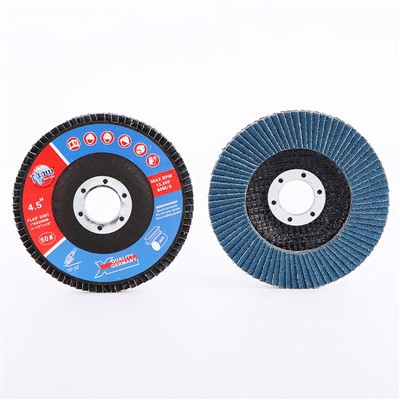
As a supplier of 4 Inch Grinding Wheels, I understand the importance of proper storage for these essential tools. A 4 inch grinding wheel is a versatile and powerful tool used in various industries, including metalworking, construction, and automotive repair. Ensuring its proper storage not only extends its lifespan but also maintains its performance and safety. In this blog, I will share some valuable insights on how to properly store a 4 inch grinding wheel.
Understanding the Basics of 4 Inch Grinding Wheels
Before delving into storage methods, it's crucial to understand the basic characteristics of a 4 inch grinding wheel. These wheels are typically made from abrasive materials such as aluminum oxide, silicon carbide, or diamond. They come in different types, including straight wheels, depressed center wheels, and cutting wheels, each designed for specific applications. The abrasive grains on the wheel's surface are bonded together by a resin or vitrified bond, which gives the wheel its shape and structure.
The performance of a 4 inch grinding wheel depends on several factors, including the quality of the abrasive material, the bond strength, and the wheel's balance. Improper storage can affect these factors, leading to a decrease in the wheel's performance and potentially causing safety hazards.
Factors Affecting Grinding Wheel Storage
Several factors can impact the storage of a 4 inch grinding wheel. These include:
- Humidity: High humidity can cause the bond material to deteriorate, leading to a loss of strength and potentially causing the wheel to break during use. Moisture can also cause rust on the metal parts of the wheel, which can affect its balance and performance.
- Temperature: Extreme temperatures can cause the abrasive grains and bond material to expand or contract, leading to cracks or other damage. High temperatures can also cause the resin bond to soften, reducing the wheel's strength.
- Vibration: Excessive vibration during storage can cause the abrasive grains to loosen or shift, affecting the wheel's balance and cutting performance.
- Contamination: Exposure to dirt, dust, oil, or other contaminants can affect the wheel's surface and reduce its cutting efficiency. Contaminants can also cause the bond material to break down, leading to premature wheel failure.
Proper Storage Conditions
To ensure the longevity and performance of a 4 inch grinding wheel, it's essential to store it in the right conditions. Here are some guidelines to follow:

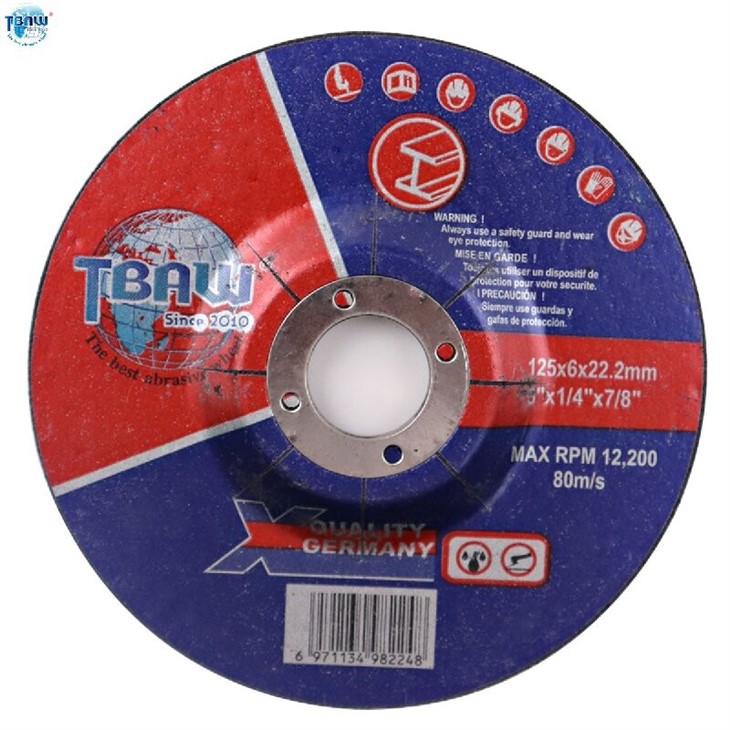
- Temperature and Humidity Control: Store the grinding wheels in a dry, cool environment with a temperature range between 50°F and 80°F (10°C and 27°C) and a relative humidity below 60%. Avoid storing the wheels in areas prone to high humidity, such as basements or near water sources. You can use a dehumidifier or air conditioner to maintain the ideal humidity level.
- Proper Packaging: Keep the grinding wheels in their original packaging until you are ready to use them. The packaging is designed to protect the wheels from damage, dust, and moisture. If the original packaging is damaged, transfer the wheels to a suitable storage container, such as a plastic bin or a metal cabinet.
- Storage Location: Store the wheels in a clean, dry, and well-ventilated area away from direct sunlight, heat sources, and sources of vibration. Avoid storing the wheels on the floor, as they can be easily damaged by foot traffic or other objects. Instead, use a shelf or a rack to keep the wheels organized and off the ground.
- Vertical Storage: Whenever possible, store the grinding wheels vertically to prevent them from warping or deforming. Vertical storage also helps to maintain the wheel's balance and ensures that the abrasive grains remain evenly distributed. If you need to stack the wheels, place a spacer between each wheel to prevent them from rubbing against each other.
- Protection from Contamination: Keep the storage area clean and free from dust, dirt, and other contaminants. Use a dust cover or a plastic sheet to protect the wheels from dust and debris. Avoid storing the wheels near chemicals, solvents, or other substances that can contaminate the wheel's surface.
Handling and Inspection
Proper handling and inspection are also crucial for the safe storage of 4 inch grinding wheels. Here are some tips to follow:
- Gentle Handling: When handling the grinding wheels, be gentle to avoid dropping or striking them. Dropping a wheel can cause cracks or other damage that may not be visible to the naked eye but can lead to wheel failure during use.
- Regular Inspection: Inspect the grinding wheels regularly for signs of damage, such as cracks, chips, or uneven wear. If you notice any damage, do not use the wheel and dispose of it properly. You can also perform a ring test to check the wheel's integrity. To do this, suspend the wheel by a string and tap it gently with a non-metallic object. A good wheel will produce a clear, ringing sound, while a damaged wheel will produce a dull thud.
- Documentation: Keep a record of the storage conditions, inspection results, and usage history of each grinding wheel. This documentation can help you track the wheel's performance and identify any potential issues.
Conclusion
Proper storage of a 4 inch grinding wheel is essential for maintaining its performance, safety, and longevity. By following the guidelines outlined in this blog, you can ensure that your grinding wheels remain in top condition and provide reliable service for years to come.
As a supplier of 4 Inch Grinding Wheel, I am committed to providing high-quality products and reliable service. If you have any questions or need further information about grinding wheel storage or any of our products, please feel free to [contact us]([insert contact page link]). We are always here to help you make the right choice for your grinding needs.
References
- "Grinding Wheel Safety," Occupational Safety and Health Administration (OSHA)
- "Abrasive Wheels - Safe Use and Maintenance," Health and Safety Executive (HSE)
- "Grinding Wheel Handbook," Norton Abrasives