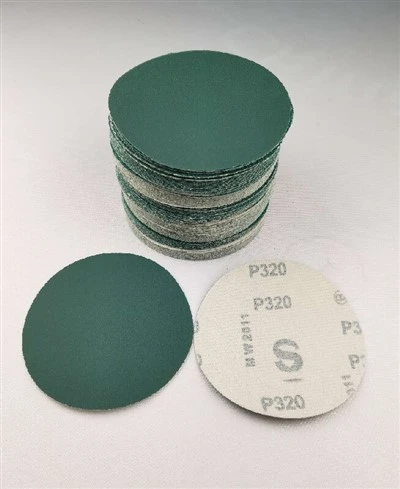
Hey there, fellow DIY enthusiasts and metalworkers! If you're in the market for the best angle grinder wheel for wrought iron, you've come to the right place. I'm a supplier of Angle Grinder Wheel, and I've got some valuable insights to share with you.
Wrought iron is a beautiful and durable material, but it can be a bit tricky to work with. You need the right tools to get the job done right, and that includes a high-quality angle grinder wheel. In this blog post, I'll be discussing the different types of angle grinder wheels available for wrought iron, and I'll help you choose the best one for your needs.
Types of Angle Grinder Wheels for Wrought Iron
There are several types of angle grinder wheels that can be used for wrought iron, each with its own unique features and benefits. Here are some of the most common types:
1. Resin Grinding Disc
Resin Grinding Disc are a popular choice for grinding and cutting wrought iron. They are made from a combination of resin and abrasive grains, which makes them strong and durable. Resin grinding discs are available in a variety of grits, from coarse to fine, so you can choose the one that's best suited for your project.
One of the main advantages of resin grinding discs is that they produce a smooth and clean cut. They also generate less heat than other types of wheels, which helps to prevent warping and damage to the wrought iron. Additionally, resin grinding discs are relatively inexpensive, making them a great option for DIYers and professionals alike.
2. Resin Grinding Wheel
Resin Grinding Wheel are similar to resin grinding discs, but they are designed for use on angle grinders with larger diameters. They are typically used for heavy-duty grinding and cutting applications, such as removing rust and scale from wrought iron.
Resin grinding wheels are made from a high-quality resin and abrasive grains, which makes them extremely durable and long-lasting. They are available in a variety of grits, from coarse to fine, so you can choose the one that's best suited for your project. One of the main advantages of resin grinding wheels is that they can be used on both wet and dry surfaces, which makes them very versatile.

3. Diamond Grinding Wheel
Diamond grinding wheels are the most expensive type of angle grinder wheel, but they are also the most effective for grinding and cutting wrought iron. They are made from a diamond-impregnated resin, which makes them extremely hard and durable. Diamond grinding wheels are available in a variety of grits, from coarse to fine, so you can choose the one that's best suited for your project.

One of the main advantages of diamond grinding wheels is that they can cut through wrought iron quickly and easily. They also produce a smooth and clean cut, which helps to prevent damage to the wrought iron. Additionally, diamond grinding wheels are very long-lasting, which makes them a great investment for professionals who work with wrought iron on a regular basis.
Factors to Consider When Choosing an Angle Grinder Wheel for Wrought Iron
When choosing an angle grinder wheel for wrought iron, there are several factors to consider. Here are some of the most important ones:
1. Grit Size
The grit size of an angle grinder wheel refers to the size of the abrasive grains on the wheel. The smaller the grit size, the finer the finish will be. For grinding and cutting wrought iron, you'll typically want to use a wheel with a grit size between 24 and 80. Coarser grits are better for removing large amounts of material quickly, while finer grits are better for finishing and polishing.
2. Wheel Diameter
The diameter of an angle grinder wheel refers to the size of the wheel. The larger the diameter, the more material the wheel can remove at once. However, larger wheels also require more power to operate, so you'll need to make sure your angle grinder is powerful enough to handle the wheel you choose. For most wrought iron applications, a wheel diameter between 4.5 and 9 inches is recommended.

3. Wheel Thickness
The thickness of an angle grinder wheel refers to the width of the wheel. Thicker wheels are more durable and can handle more pressure, but they also produce more heat. For most wrought iron applications, a wheel thickness between 1/8 and 1/4 inch is recommended.
4. Bond Type
The bond type of an angle grinder wheel refers to the way the abrasive grains are held together on the wheel. There are several different types of bond, including resin, vitrified, and metal. Resin bonds are the most common type of bond for angle grinder wheels, as they are strong and durable. Vitrified bonds are more brittle, but they produce a smoother finish. Metal bonds are the strongest type of bond, but they are also the most expensive.
Tips for Using an Angle Grinder Wheel on Wrought Iron
Once you've chosen the right angle grinder wheel for your project, it's important to use it correctly to ensure the best results. Here are some tips for using an angle grinder wheel on wrought iron:
1. Wear Protective Gear
When using an angle grinder, it's important to wear protective gear, such as safety glasses, a face shield, gloves, and a dust mask. This will help to protect you from flying debris and dust, which can be dangerous.

2. Choose the Right Speed
Most angle grinders have variable speed settings, which allow you to adjust the speed of the wheel depending on the type of material you're working with. For wrought iron, it's generally recommended to use a speed between 3,000 and 6,000 RPM.
3. Use the Right Technique
When using an angle grinder wheel on wrought iron, it's important to use the right technique to ensure a smooth and clean cut. Hold the angle grinder at a slight angle to the wrought iron, and apply gentle pressure to the wheel. Move the wheel back and forth in a smooth, even motion, and avoid applying too much pressure, as this can cause the wheel to overheat and damage the wrought iron.
4. Keep the Wheel Clean
After using an angle grinder wheel on wrought iron, it's important to keep the wheel clean to ensure its longevity. Use a wire brush or a cleaning solution to remove any debris or residue from the wheel, and store it in a dry place when not in use.
Conclusion
Choosing the best angle grinder wheel for wrought iron can be a challenge, but with the right information and guidance, you can make an informed decision. Whether you're a DIYer or a professional metalworker, a high-quality angle grinder wheel is an essential tool for working with wrought iron.
If you're in the market for an angle grinder wheel for wrought iron, I encourage you to check out our selection of Angle Grinder Wheel. We offer a wide range of wheels, including Resin Grinding Disc and Resin Grinding Wheel, at competitive prices. Our wheels are made from high-quality materials and are designed to provide the best performance and durability.
If you have any questions or need help choosing the right angle grinder wheel for your project, please don't hesitate to contact us. We're here to help you find the perfect wheel for your needs, and we're committed to providing you with the best customer service possible.
References
- "Angle Grinder Wheels: A Guide to Choosing the Right One." The Home Depot.
- "How to Choose the Right Angle Grinder Wheel." Harbor Freight Tools.
- "Wrought Iron: Properties, Uses, and Working Techniques." ThoughtCo.