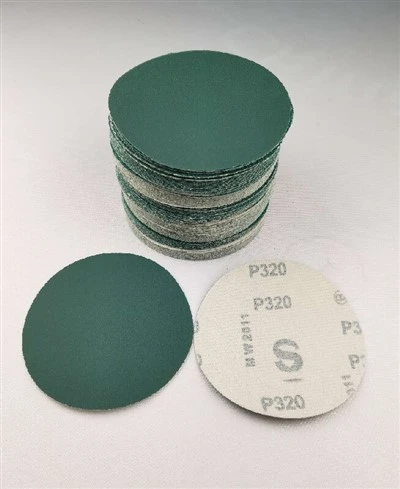
Hey there! As a grinding disc supplier, I've had my fair share of chats with folks about the compatibility of grinding discs with different grinding machines. It's a topic that comes up a lot, and for good reason. After all, using the right grinding disc with your machine can make a world of difference in terms of performance, safety, and the overall quality of your work.
Let's start by talking about why compatibility matters. You see, not all grinding discs are created equal, and different grinding machines have their own unique requirements. Using an incompatible grinding disc can lead to a whole host of problems. For instance, it might not fit properly, which can cause the disc to wobble or even fly off during operation. That's not only dangerous but can also damage your machine. And even if the disc does fit physically, it might not be designed to work with the specific speed, power, or type of grinding action of your machine. This can result in poor grinding performance, uneven finishes, and a shorter lifespan for both the disc and the machine.
One of the first things to consider when looking at compatibility is the size of the grinding disc. Grinding machines come in all shapes and sizes, and they're designed to work with specific disc diameters and thicknesses. For example, a small handheld angle grinder might typically use discs that are around 4 - 4.5 inches in diameter, while a larger bench grinder could handle discs that are 6 inches or more. If you try to use a disc that's too large or too small for your machine, it won't work correctly. So, before you buy a grinding disc, make sure you know the exact size requirements of your machine. You can usually find this information in the machine's user manual or on a label attached to the machine itself.
Another crucial factor is the speed rating of the grinding disc. Every grinding disc has a maximum operating speed, which is measured in revolutions per minute (RPM). This speed rating is determined by the disc's design, materials, and construction. Your grinding machine also has a maximum speed at which it can operate. It's essential that the speed rating of the grinding disc is equal to or higher than the maximum speed of your machine. If you use a disc with a lower speed rating, it could break apart during operation, posing a serious safety risk. On the other hand, using a disc with a much higher speed rating than necessary isn't really a problem, but it might not give you the best performance. You can find the speed rating of a grinding disc printed on its label.
The type of grinding machine also plays a big role in determining compatibility. There are different types of grinding machines, such as angle grinders, bench grinders, and die grinders, each with its own characteristics and applications. For example, angle grinders are versatile and can be used for a variety of tasks, including cutting, grinding, and polishing. They require grinding discs that are designed to withstand the high-speed rotation and the lateral forces generated during operation. Bench grinders, on the other hand, are typically used for more precision grinding tasks, like sharpening tools. They usually work with discs that have a more fine - grained surface. Die grinders are smaller and more lightweight, often used for detailed work in tight spaces, and they need discs that are small and can be maneuvered easily.
Now, let's talk about the different types of grinding discs and their compatibility with various machines. One of the most common types is the Resin Grinding Disc. Resin grinding discs are known for their durability and versatility. They can be used on a wide range of grinding machines, including angle grinders and bench grinders. These discs are made with a resin bond that holds the abrasive grains together, and they're suitable for grinding different materials such as metal, stone, and concrete. However, you still need to make sure that the size and speed rating of the resin grinding disc match your machine.
If you're looking for the best performance, you might want to check out our Best Grinding Discs. These discs are carefully engineered to provide optimal grinding results. They're made with high - quality abrasive materials and advanced manufacturing techniques. Whether you're working on a large industrial project or a small DIY job, these discs can handle it. They're compatible with many different types of grinding machines, but again, it's all about getting the right size and speed rating.
For power tools, we have the Grinding Wheel for Power Tools. These wheels are specifically designed to work with power - operated grinding machines. They're built to withstand the high - power output of these tools and provide efficient grinding. They come in different sizes and grits to suit various applications, from rough grinding to fine finishing. When using these wheels, make sure to follow the manufacturer's recommendations for your specific power tool.
In addition to size, speed, and machine type, the material you're grinding also affects compatibility. Different grinding discs are designed for different materials. For example, if you're grinding metal, you'll want a disc that's made with an abrasive that's suitable for metal. Silicon carbide abrasives are great for grinding non - ferrous metals like aluminum, while aluminum oxide abrasives are better for ferrous metals like steel. If you try to use a disc that's not designed for the material you're working on, you won't get good results. The disc might wear out quickly, or it might not be able to grind the material effectively.
Safety is another important aspect of compatibility. Using a compatible grinding disc reduces the risk of accidents. When a disc is properly matched to your machine, it's less likely to break or come loose during operation. You should also always wear the appropriate safety gear, such as safety glasses, gloves, and a face shield, when using a grinding machine.
So, how do you choose the right grinding disc for your machine? First, identify the type of grinding machine you have and its size and speed requirements. Then, consider the material you'll be grinding. Based on these factors, you can select the appropriate type of grinding disc. If you're still not sure, don't hesitate to reach out to us. We're here to help you make the right choice.
As a grinding disc supplier, we're committed to providing high - quality products that are compatible with a wide range of grinding machines. We understand the importance of getting the right match, and we have a team of experts who can answer your questions and offer advice. Whether you're a professional tradesperson or a DIY enthusiast, we have the grinding discs you need.
If you're interested in purchasing our grinding discs, we'd love to have a chat with you. We can discuss your specific requirements and help you find the perfect disc for your machine. Just get in touch, and we'll start the conversation.


In conclusion, the compatibility of a grinding disc with different grinding machines is determined by several factors, including size, speed rating, machine type, and the material being ground. By taking these factors into account, you can ensure that you're using the right disc for your machine, which will lead to better performance, longer disc life, and improved safety. So, don't take compatibility lightly. Make the right choice, and you'll be on your way to achieving great grinding results.
References
- Handbook of Abrasive Technology
- Industrial Grinding Machinery Manuals