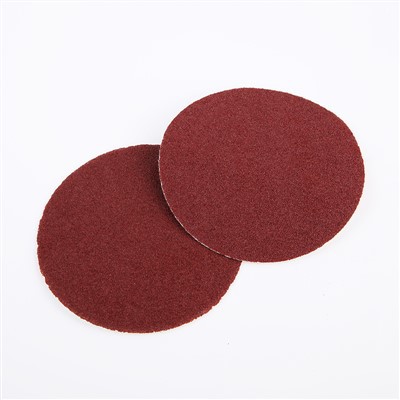
As a supplier of Angle Grinder Wheels, I often encounter customers who are confused about the differences between flexible and rigid angle grinder wheels. In this blog post, I will delve into the characteristics, applications, and advantages of each type, helping you make an informed decision when choosing the right wheel for your specific needs.


Characteristics of Flexible Angle Grinder Wheels
Flexible angle grinder wheels are designed with a certain degree of flexibility, which allows them to conform to irregular surfaces and contours. They are typically made with a thin, pliable abrasive layer bonded to a flexible backing material. This flexibility enables the wheel to bend and adapt to the shape of the workpiece, making it ideal for applications where a smooth, even finish is required on curved or uneven surfaces.
One of the key features of flexible angle grinder wheels is their ability to provide a consistent cutting action across the entire surface of the wheel. The flexible nature of the wheel allows it to maintain contact with the workpiece, even when working on irregular surfaces, resulting in a more uniform and precise cut. Additionally, the flexibility of the wheel helps to reduce the risk of chipping or cracking, making it a durable and reliable option for a variety of applications.
Another advantage of flexible angle grinder wheels is their versatility. They can be used for a wide range of applications, including grinding, sanding, polishing, and finishing. Whether you are working on metal, wood, plastic, or other materials, a flexible angle grinder wheel can provide the performance and results you need.
Characteristics of Rigid Angle Grinder Wheels
Rigid angle grinder wheels, on the other hand, are designed to be more rigid and inflexible. They are typically made with a thick, solid abrasive layer bonded to a rigid backing material, such as a metal or fiberglass disc. This rigidity allows the wheel to maintain its shape and stability during operation, making it ideal for applications where a high degree of precision and control is required.
One of the main advantages of rigid angle grinder wheels is their ability to provide a fast and efficient cutting action. The rigid nature of the wheel allows it to apply more pressure to the workpiece, resulting in a quicker removal of material. Additionally, the rigidity of the wheel helps to prevent the wheel from deflecting or bending during operation, ensuring a more accurate and consistent cut.
Another advantage of rigid angle grinder wheels is their durability. The thick, solid abrasive layer of the wheel is designed to withstand the high pressures and forces generated during operation, making it a long-lasting and reliable option for heavy-duty applications.
Applications of Flexible and Rigid Angle Grinder Wheels
The choice between a flexible and a rigid angle grinder wheel depends on the specific application and the type of material you are working with. Here are some common applications for each type of wheel:
Flexible Angle Grinder Wheels
- Sanding and Polishing: Flexible angle grinder wheels are ideal for sanding and polishing applications, where a smooth, even finish is required. They can be used to remove scratches, burrs, and other imperfections from the surface of the workpiece, leaving it with a professional-looking finish.
- Grinding Curved Surfaces: The flexibility of the wheel allows it to conform to the shape of the workpiece, making it ideal for grinding curved surfaces, such as pipes, tubes, and other round objects.
- Finishing Irregular Surfaces: Flexible angle grinder wheels are also useful for finishing irregular surfaces, such as castings, forgings, and other parts with complex shapes. The flexibility of the wheel allows it to follow the contours of the workpiece, ensuring a smooth and even finish.
Rigid Angle Grinder Wheels
- Cutting and Grinding Metal: Rigid angle grinder wheels are commonly used for cutting and grinding metal, such as steel, aluminum, and other alloys. The high cutting speed and efficiency of the wheel make it ideal for removing large amounts of material quickly.
- Deburring and Chamfering: Rigid angle grinder wheels can also be used for deburring and chamfering applications, where a sharp edge or corner needs to be removed or rounded off. The rigidity of the wheel allows it to provide a precise and controlled cut, ensuring a clean and professional-looking finish.
- Surface Preparation: Rigid angle grinder wheels are often used for surface preparation applications, such as removing rust, paint, and other coatings from the surface of the workpiece. The high cutting speed and efficiency of the wheel make it ideal for preparing the surface for painting, welding, or other finishing operations.
Advantages of Choosing the Right Angle Grinder Wheel
Choosing the right angle grinder wheel for your specific application is essential for achieving the best results. Here are some advantages of choosing the right wheel:
- Improved Performance: Using the right angle grinder wheel can improve the performance of your angle grinder, allowing you to work more efficiently and effectively. The right wheel will provide a faster cutting speed, a smoother finish, and a longer lifespan, reducing the need for frequent wheel changes and maintenance.
- Enhanced Safety: Using the right angle grinder wheel can also enhance the safety of your work environment. The right wheel will be designed to withstand the high pressures and forces generated during operation, reducing the risk of the wheel breaking or shattering. Additionally, the right wheel will be compatible with your angle grinder, ensuring a secure and stable fit.
- Cost Savings: Choosing the right angle grinder wheel can also save you money in the long run. The right wheel will last longer, reducing the need for frequent wheel changes and replacement. Additionally, the right wheel will provide a better finish, reducing the need for additional finishing operations and materials.
Conclusion
In conclusion, the choice between a flexible and a rigid angle grinder wheel depends on the specific application and the type of material you are working with. Flexible angle grinder wheels are ideal for applications where a smooth, even finish is required on curved or uneven surfaces, while rigid angle grinder wheels are ideal for applications where a high degree of precision and control is required. By choosing the right angle grinder wheel for your specific needs, you can improve the performance of your angle grinder, enhance the safety of your work environment, and save money in the long run.
If you are interested in purchasing Angle Grinder Wheels, please visit our website at Angle Grinder Wheel to explore our wide range of products. We also offer Grinding Wheel for Power Tools and Diamond Grinding Disc for various applications. If you have any questions or need further assistance, please feel free to contact us for a procurement discussion.
References
- "Angle Grinder Wheels: A Guide to Choosing the Right One." Industrial Supply Magazine.
- "Flexible vs. Rigid Angle Grinder Wheels: What's the Difference?" Tool Review Blog.
- "The Benefits of Using the Right Angle Grinder Wheel." Construction Equipment News.