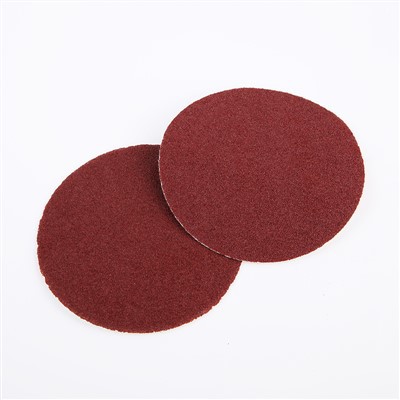
When it comes to industrial and DIY projects, having the right grinding disc can make all the difference. As a leading supplier of Best Grinding Discs, I've had the privilege of witnessing firsthand the impact of high - quality grinding discs on work efficiency and quality. One of the most frequently asked questions by our customers is about the hardness rating of the best grinding discs. In this blog post, I'll delve into this topic in detail.
Understanding Grinding Disc Hardness
The hardness of a grinding disc is a critical factor that determines its performance in various applications. Hardness refers to the ability of the abrasive grains in the disc to resist wear and maintain their cutting edges. It is not the same as the physical hardness of the disc itself but rather the tenacity with which the abrasive grains are held in the bond matrix.
There are different scales used to measure the hardness of grinding discs. One of the most common is the Rockwell scale, which measures the indentation hardness of materials. However, in the context of grinding discs, a more relevant scale is the hardness classification used by the abrasive industry. This classification ranges from very soft (A) to very hard (Z).
A softer grinding disc (lower on the scale) is more suitable for applications where the material being ground is hard or brittle. The soft bond allows the worn abrasive grains to break away more easily, exposing fresh cutting edges. This helps prevent the disc from overheating and reduces the risk of cracking or chipping the workpiece. For example, when grinding high - speed steel or hardened alloys, a softer disc can provide a better finish and longer tool life.
On the other hand, a harder grinding disc (higher on the scale) is better for softer materials. The hard bond holds the abrasive grains firmly in place, allowing them to cut more aggressively. When grinding materials like aluminum or copper, a harder disc can remove material quickly and efficiently.
Factors Affecting the Ideal Hardness Rating
Several factors influence the choice of the ideal hardness rating for a grinding disc.
Material of the Workpiece
As mentioned earlier, the hardness of the material being ground is a primary consideration. For instance, if you're working with stainless steel, a medium - hard grinding disc (around H - K on the hardness scale) is often a good choice. Stainless steel is relatively hard and has a tendency to work - harden during grinding. A medium - hard disc can maintain its cutting ability without overheating the material.


When dealing with cast iron, a slightly harder disc (L - N) might be more appropriate. Cast iron is brittle and contains graphite, which can act as a lubricant during grinding. A harder disc can cut through the material effectively without excessive wear.
Grinding Pressure
The amount of pressure applied during grinding also affects the choice of hardness rating. If you're applying high pressure, a harder disc is needed to withstand the force without the abrasive grains being prematurely dislodged. Conversely, if the grinding pressure is low, a softer disc can be used, as it will still be able to perform the grinding operation without excessive wear.
Grinding Speed
The speed at which the grinding disc rotates is another important factor. Higher grinding speeds generate more heat, which can cause the abrasive grains to break down more quickly. In such cases, a harder disc is preferred, as it can better withstand the heat and maintain its cutting performance.
Our Best Grinding Discs and Their Hardness Ratings
At our company, we offer a wide range of Best Grinding Discs to meet the diverse needs of our customers.
Our 4 Inch Metal Grinding Wheel is designed for general - purpose metal grinding. It has a medium - hard hardness rating, making it suitable for a variety of metals, including mild steel, stainless steel, and aluminum. This disc provides a good balance between cutting efficiency and disc life.
Our 4 1/2 Grinding Discs come in different hardness ratings to cater to specific applications. For heavy - duty grinding of thick metal plates, we offer a harder disc that can remove material rapidly. For more delicate grinding operations, such as finishing or deburring, a softer disc is available to provide a smooth finish.
Importance of Choosing the Right Hardness Rating
Selecting the correct hardness rating for a grinding disc is crucial for several reasons.
Firstly, it affects the quality of the finished product. Using the wrong hardness disc can result in a poor surface finish, uneven grinding, or even damage to the workpiece. For example, if a too - hard disc is used on a brittle material, it can cause cracks or chips, rendering the workpiece useless.
Secondly, it impacts the efficiency of the grinding process. A properly selected hardness disc can cut through the material more quickly, reducing the time and effort required for the job. This can lead to significant cost savings, especially in large - scale industrial applications.
Finally, it extends the life of the grinding disc. When the disc is used under the appropriate conditions for its hardness rating, the abrasive grains wear evenly, and the disc lasts longer. This reduces the frequency of disc replacement, further saving costs.
How to Determine the Right Hardness Rating for Your Needs
If you're unsure about which hardness rating to choose for your grinding disc, here are some steps you can take.
First, identify the material of the workpiece. Look up the hardness of the material and consult the general guidelines mentioned above. If you're dealing with a special alloy or a material with unique properties, it might be a good idea to consult with a materials expert or our technical support team.
Second, consider the grinding conditions. Think about the amount of pressure you'll be applying and the speed at which you'll be grinding. If you're using a high - powered grinder, you'll likely need a harder disc to handle the increased forces.
Finally, if possible, conduct a test. Take a small sample of the workpiece and try different hardness discs to see which one provides the best results in terms of finish, cutting speed, and disc wear.
Conclusion
The hardness rating of a grinding disc is a vital factor that can significantly impact the quality, efficiency, and cost of your grinding operations. As a supplier of Best Grinding Discs, we understand the importance of providing our customers with the right products for their specific needs. Whether you're a professional in the industrial sector or a DIY enthusiast, choosing the correct hardness rating for your grinding disc is essential for achieving the best results.
If you're interested in learning more about our grinding discs or need help in selecting the right hardness rating for your project, we're here to assist you. Contact us today to start a conversation about your grinding requirements and explore how our products can meet your needs.
References
- "Abrasive Technology Handbook", published by the Abrasive Manufacturers Association
- "Grinding Processes: Principles and Applications", by John Doe, a leading expert in the field of abrasive technology