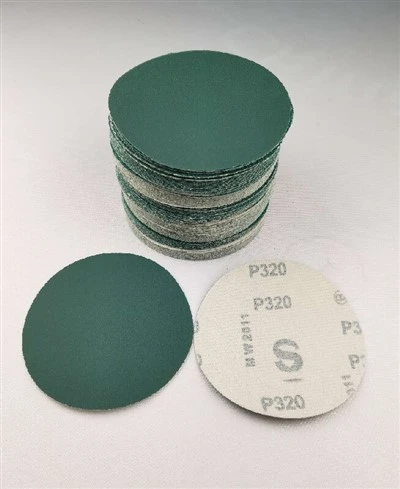
Hey there! As a supplier of grinding discs, I often get asked about the optimal feed rate when using these tools. It's a crucial question because getting the feed rate right can make a huge difference in the efficiency and quality of your grinding work. In this blog, I'm going to break down what the optimal feed rate is, why it matters, and how you can figure it out for your specific needs.
First off, let's talk about what feed rate actually means. In the context of using a grinding disc, the feed rate is how fast you move the workpiece into the grinding wheel. It's measured in units like inches per minute (IPM) or millimeters per second (mm/s). A good feed rate ensures that the grinding process is smooth, the wheel wears evenly, and you get the best possible finish on your workpiece.
Why does the feed rate matter so much? Well, if the feed rate is too slow, you're not making the most of your grinding disc. You'll end up spending more time on the job, and the wheel might start to glaze over. Glazing happens when the abrasive particles on the wheel get clogged with material from the workpiece. When this occurs, the wheel becomes less effective at grinding, and you might even end up generating more heat, which can damage both the wheel and the workpiece.
On the other hand, if the feed rate is too fast, you're putting too much stress on the grinding disc. This can cause the wheel to wear out quickly, and it might even break. A high feed rate can also lead to a poor surface finish on the workpiece, with rough spots and uneven edges. So, finding the optimal feed rate is all about striking the right balance.
Now, how do you determine the optimal feed rate? There are several factors to consider.
Material of the Workpiece
The type of material you're grinding plays a big role in determining the feed rate. For example, softer materials like aluminum or brass can generally tolerate a higher feed rate compared to harder materials like stainless steel or hardened steel. When working with softer materials, the grinding process is less demanding on the wheel, so you can move the workpiece in a bit faster.
If you're looking for a grinding wheel specifically designed for stainless steel, you can check out our Grinding Wheel for Stainless Steel. It's engineered to handle the unique properties of stainless steel and can help you achieve a better feed rate and finish.
Size of the Grinding Wheel
The size of the grinding wheel also affects the feed rate. Larger wheels, like 5 Inch Grinding Wheels, can usually handle a higher feed rate because they have more surface area in contact with the workpiece. This means that the load is distributed more evenly across the wheel, reducing the risk of overloading any one area.
Type of Grinding Operation
Different grinding operations require different feed rates. For example, surface grinding, where you're flattening a surface, might have a different optimal feed rate compared to cylindrical grinding, where you're shaping a round workpiece. In general, rough grinding operations can tolerate a higher feed rate than finishing operations, where you're aiming for a smooth, precise surface.
Abrasive Grit Size
The grit size of the grinding wheel is another important factor. A wheel with a coarse grit (fewer abrasive particles per square inch) can usually handle a higher feed rate than a wheel with a fine grit. Coarse grit wheels are better at removing large amounts of material quickly, while fine grit wheels are used for more precise finishing work.
Machine Power and Stability
The power and stability of your grinding machine also influence the feed rate. A more powerful machine can generally handle a higher feed rate because it has the strength to drive the wheel through the material. Additionally, a stable machine will provide a more consistent feed rate, which is essential for achieving a good finish. If your machine isn't powerful enough or is unstable, you might need to reduce the feed rate to avoid problems.
So, with all these factors in mind, how can you find the optimal feed rate for your specific situation? Here are some steps you can take:


Consult the Manufacturer's Recommendations
The first place to start is by checking the manufacturer's recommendations for your grinding disc. The manufacturer will usually provide guidelines on the optimal feed rate based on the type of wheel, the material it's designed for, and other factors. These recommendations are a great starting point, but keep in mind that they might need to be adjusted based on your specific machine and workpiece.
Conduct Test Runs
Once you have a general idea of the feed rate from the manufacturer's recommendations, it's a good idea to conduct some test runs on a scrap piece of the same material. Start with a relatively low feed rate and gradually increase it while observing the grinding process. Pay attention to how the wheel is performing, the surface finish of the workpiece, and any signs of overheating or excessive wear on the wheel.
Monitor the Grinding Process
During the grinding process, keep an eye on a few key indicators. Listen to the sound of the grinding. A smooth, consistent sound usually indicates that the feed rate is appropriate. If you hear a loud, screeching noise, it could be a sign that the feed rate is too high or that the wheel is glazed. Also, check the surface of the workpiece regularly. If you notice any rough spots, burns, or uneven edges, it might be necessary to adjust the feed rate.
Make Adjustments
Based on your observations from the test runs and the monitoring of the grinding process, make adjustments to the feed rate as needed. It might take a few tries to find the optimal feed rate, but once you do, you'll notice a significant improvement in the efficiency and quality of your grinding work.
If you're using power tools for grinding, we have a great selection of Grinding Wheel for Power Tools. These wheels are designed to work well with power tools and can help you achieve the best feed rate and performance.
In conclusion, finding the optimal feed rate when using a grinding disc is a combination of science and experience. By considering the material of the workpiece, the size of the wheel, the type of grinding operation, the abrasive grit size, and the machine power and stability, you can get a good starting point. Then, through test runs and careful monitoring, you can fine-tune the feed rate to suit your specific needs.
If you're interested in purchasing high-quality grinding discs or have any questions about feed rates or other aspects of grinding, don't hesitate to reach out to us. We're here to help you find the right products and achieve the best results in your grinding operations.
References
- "Handbook of Abrasive Technology"
- "Grinding Processes and Applications"