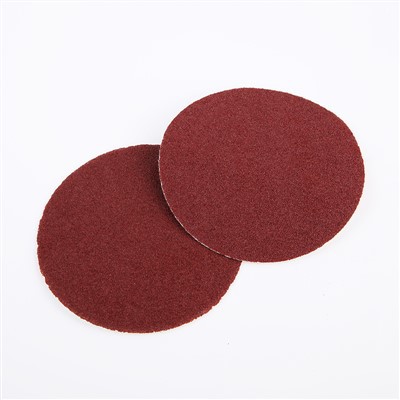
Hey there! As a supplier of small grinding wheels, I often get asked about the shape of these little but mighty tools. So, let's dig into it and explore what shapes small grinding wheels can come in, and how these shapes matter in different applications.
The Basics: Why Shape Matters
First off, you might be wondering why the shape of a small grinding wheel even matters. Well, different shapes are designed to perform specific tasks. Just like you wouldn't use a hammer to turn a screw, you need the right - shaped grinding wheel for the job at hand. The shape of the wheel determines how it contacts the workpiece, the type of cut or grind it can make, and how efficiently it can do the work.
Common Shapes of Small Grinding Wheels
Straight Wheels
Straight wheels are probably the most common shape you'll come across. They're simple, with a flat face and a cylindrical shape. These wheels are great for surface grinding, where you need to smooth out a flat surface. They're also used for centerless grinding, which is a process of grinding the outer diameter of a cylindrical workpiece without having to hold it between centers. Straight wheels are versatile and can be used on a variety of materials, from metals to ceramics. If you're looking for a reliable all - around wheel, a straight wheel is a solid choice.


Tapered Wheels
Tapered wheels are, as the name suggests, tapered at one end. This shape allows for more precise grinding in hard - to - reach areas. For example, when you're working on a part with a groove or a corner, a tapered wheel can get in there and do the job without damaging the surrounding areas. They're also useful for grinding threads or other detailed features on a workpiece. Tapered wheels are a bit more specialized than straight wheels, but they're essential for certain types of precision work.
Dish Wheels
Dish wheels have a concave shape, like a shallow dish. This shape gives them a large contact area, which is great for grinding large, flat surfaces quickly. They're often used in applications where you need to remove a lot of material in a short amount of time, such as in the initial stages of shaping a large metal part. Dish wheels are also used in some types of surface finishing operations, where a smooth finish is required over a large area.
Cylinder Wheels
Cylinder wheels are similar to straight wheels, but they're shorter and wider. This shape makes them ideal for internal grinding, where you need to grind the inside of a hole or a bore. They can also be used for some types of face grinding, especially when you need to cover a larger area with a single pass. Cylinder wheels are designed to provide a high - quality finish on the internal surfaces of workpieces.
Specialized Shapes for Specific Applications
In addition to the common shapes, there are also some specialized shapes of small grinding wheels that are designed for very specific tasks.
Super Thin Cut Off Disc
The Super Thin Cut Off Disc is a great example. These discs are extremely thin, which allows for very precise cutting. They're often used in applications where you need to make a clean, accurate cut without removing too much material. For example, in the electronics industry, they can be used to cut small metal components without causing damage to the surrounding parts.
4 1/2 Cut Off Wheel
The 4 1/2 Cut Off Wheel is a popular size for many general - purpose cutting applications. It's a good balance between size and maneuverability, making it suitable for a wide range of tasks, from cutting small pieces of metal in a home workshop to more heavy - duty cutting in an industrial setting.
14 Inch Cut Off Wheel
On the other hand, the 14 Inch Cut Off Wheel is designed for larger - scale cutting jobs. It can cut through thick materials quickly and efficiently, making it a staple in industries like construction and metal fabrication.
Choosing the Right Shape for Your Needs
So, how do you choose the right shape of small grinding wheel for your project? Well, it all depends on what you're trying to achieve. If you need to smooth out a flat surface, a straight wheel or a dish wheel might be the way to go. If you're working on a detailed part with grooves or corners, a tapered wheel could be your best bet. And if you're doing a lot of cutting, one of the cut - off wheels we mentioned earlier might be more appropriate.
It's also important to consider the material you'll be working with. Different materials require different types of grinding wheels, and the shape can play a role in how well the wheel performs on a particular material. For example, a softer material might require a more aggressive shape to remove material quickly, while a harder material might need a more precise shape to avoid cracking or chipping.
The Importance of Quality
No matter what shape of small grinding wheel you choose, quality is key. A high - quality wheel will last longer, perform better, and provide a more consistent finish. At my supply business, we take pride in offering only the best - quality small grinding wheels. We source our products from reputable manufacturers who use the latest technologies and highest - grade materials to ensure that our customers get the most out of their grinding wheels.
Contact Us for Your Grinding Wheel Needs
If you're in the market for small grinding wheels, whether it's a super thin cut off disc, a 4 1/2 cut off wheel, or a 14 - inch cut off wheel, we'd love to hear from you. We can help you choose the right shape and type of wheel for your specific application, and we'll make sure you get a great product at a competitive price. Don't hesitate to reach out and start a conversation with us about your procurement needs.
References
- Brown, J. (2020). Handbook of Grinding Wheels. Industrial Press.
- Smith, A. (2019). The Art of Grinding: Choosing the Right Tools. Manufacturing Today Press.