

When it comes to using an iron cutting disc, ventilation requirements are super important. As an iron cutting disc supplier, I've seen firsthand how crucial proper ventilation is for both safety and the quality of the cutting process.
Let's start by understanding why ventilation is necessary. When you're using an iron cutting disc, there are a bunch of things going on that can be harmful if not properly managed. First off, the cutting process generates a significant amount of dust. This dust is made up of tiny metal particles, and inhaling it can be really bad for your lungs. Over time, breathing in this dust can lead to respiratory problems like silicosis, which is a serious and irreversible lung disease.
Another issue is the fumes. The heat generated during cutting can cause the metal to release fumes. These fumes can contain all sorts of nasty chemicals, including heavy metals like lead and cadmium. Exposure to these fumes can have short - term effects like headaches, dizziness, and nausea, and long - term effects can be even more severe, such as damage to the nervous system, kidneys, and liver.
So, what are the specific ventilation requirements? Well, the first thing is to have a well - ventilated area. If you're working in a small, enclosed space, it's essential to install a ventilation system. There are different types of ventilation systems you can use.
One common type is a local exhaust ventilation (LEV) system. This system works by capturing the dust and fumes at the source. It has a hood or a nozzle that is placed close to the cutting area. The dust and fumes are then drawn into the system through a duct and filtered out before being released into the atmosphere. A good LEV system can significantly reduce the amount of dust and fumes in the air.
The size and capacity of the LEV system depend on the size of the cutting disc and the intensity of the cutting operation. For larger cutting discs, like the 14 Inch Cut Off Wheel, you'll need a more powerful ventilation system.
In addition to LEV systems, you can also use general ventilation in the workspace. This can be as simple as having windows and doors open to allow fresh air to circulate. However, general ventilation alone may not be enough, especially if you're doing a lot of cutting.
The air exchange rate is also an important factor. You want to make sure that the air in the workspace is replaced frequently. A good rule of thumb is to have at least 6 - 8 air changes per hour. This means that the entire volume of air in the room should be replaced 6 - 8 times in an hour.
When it comes to the type of filters used in the ventilation system, there are different options. For dust, high - efficiency particulate air (HEPA) filters are a great choice. They can capture very small particles, including the fine metal dust generated during cutting. For fumes, activated carbon filters can be used to absorb the chemical compounds in the fumes.
It's also important to maintain the ventilation system regularly. Filters need to be replaced or cleaned as recommended by the manufacturer. If the filters are clogged, the ventilation system won't work effectively, and the dust and fumes will start to build up in the air.
Now, let's talk about how these ventilation requirements apply to different types of iron cutting discs. For Iron Cut Off Wheels, the same principles of ventilation apply. The dust and fumes generated are similar to those from other iron cutting discs. However, depending on the specific composition of the iron in the wheel, the type of fumes and dust may vary slightly.

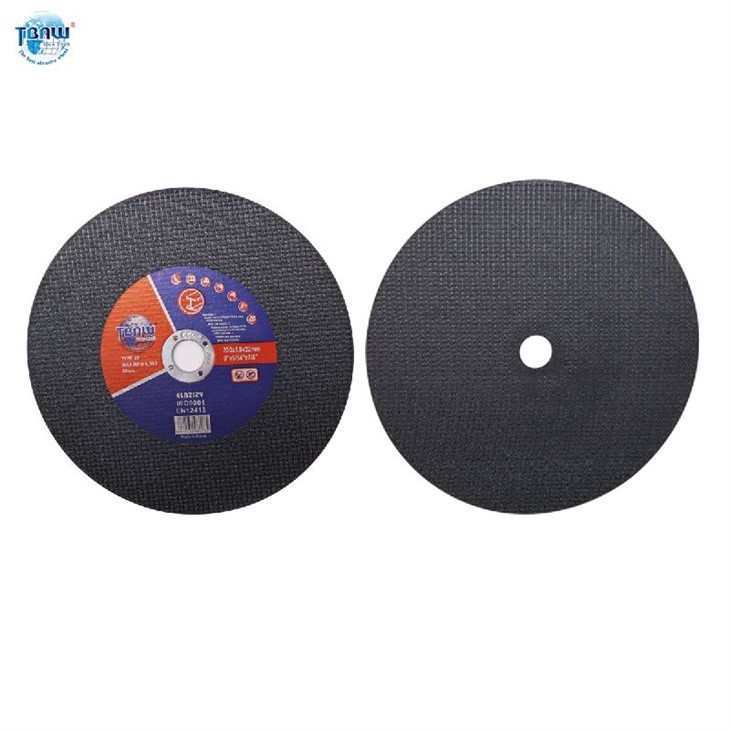
Diamond Cut Off Wheels also require proper ventilation. Although diamond is a very hard material, the cutting process still generates dust and fumes. The dust from diamond cutting discs may contain diamond particles, which can also be harmful if inhaled.
As a supplier of iron cutting discs, I always recommend that our customers pay close attention to ventilation. It's not just about following safety regulations; it's about protecting the health of the workers and ensuring the quality of the cutting process.
If you're in the market for iron cutting discs and have questions about ventilation requirements or any other aspect of using our products, don't hesitate to reach out. We're here to help you make the right choices and ensure that your cutting operations are safe and efficient. Whether you're a small - scale workshop or a large industrial facility, we can provide you with the best solutions for your needs. Contact us to start a conversation about your iron cutting disc requirements and how we can assist you.
References:
- Occupational Safety and Health Administration (OSHA) guidelines on ventilation in industrial workplaces.
- Scientific studies on the health effects of inhaling metal dust and fumes.


