

As a supplier of 14-inch cut off wheels, the question of whether a 14-inch cut off wheel can be used for cutting asbestos-containing materials, even with proper safety measures, is a complex and highly regulated topic. In this article, we will explore the technical, safety, and legal aspects of this issue to provide a comprehensive understanding.
Technical Feasibility
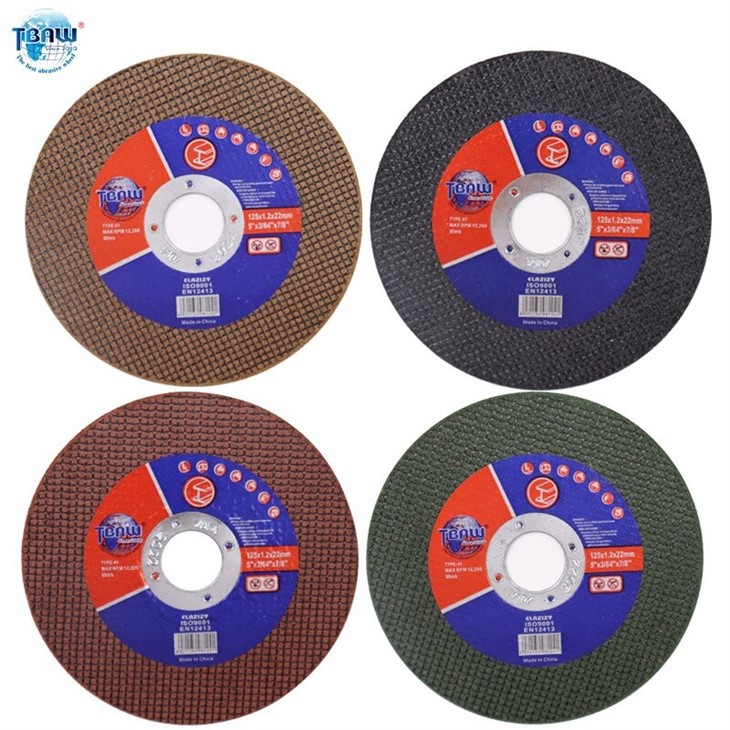
A 14-inch cut off wheel is a powerful cutting tool commonly used in metal fabrication, construction, and other heavy-duty applications. It rotates at high speeds, typically between 6,000 and 9,000 revolutions per minute (RPM), generating a significant amount of cutting force. From a technical perspective, it is physically possible for a 14-inch cut off wheel to cut through asbestos-containing materials. Asbestos has a fibrous structure, and the sharp abrasive edge of the cut off wheel can break through these fibers.

However, the technical feasibility is just one aspect. The nature of asbestos requires us to consider other factors carefully. Asbestos is a group of naturally occurring fibrous minerals that were widely used in construction and manufacturing due to their heat resistance, strength, and insulation properties. When asbestos-containing materials are cut, drilled, or sanded, tiny asbestos fibers can be released into the air. These fibers are extremely dangerous because they can be inhaled and accumulate in the lungs, leading to serious health problems such as asbestosis, lung cancer, and mesothelioma.
Safety Measures
Even if we assume that proper safety measures are taken, using a 14-inch cut off wheel to cut asbestos-containing materials is still a high-risk activity. Proper safety measures should include personal protective equipment (PPE) such as respirators, disposable coveralls, gloves, and safety glasses. The work area should be sealed off to prevent the spread of asbestos fibers, and a negative air pressure system should be used to capture and filter the airborne fibers.
Moreover, only trained and certified asbestos abatement professionals should perform this type of work. They have the knowledge and experience to handle asbestos safely and comply with the strict regulations governing asbestos removal. However, even with the best safety measures in place, there is still a risk of fiber release. The high-speed rotation of the cut off wheel can generate a large amount of dust, and it is difficult to ensure that all the asbestos fibers are captured.
Legal Considerations
In most countries, including the United States and many European nations, the handling of asbestos-containing materials is strictly regulated. It is illegal in many cases to cut, drill, or otherwise disturb asbestos-containing materials without proper authorization, training, and equipment. Even if proper safety measures are taken, using a 14-inch cut off wheel to cut asbestos-containing materials may still violate local, state, and federal regulations.
Regulatory agencies such as the Occupational Safety and Health Administration (OSHA) in the United States have set strict standards for asbestos exposure in the workplace. These standards are designed to protect workers from the health risks associated with asbestos exposure. Failure to comply with these regulations can result in significant fines and legal liability. As a supplier of 14-inch cut off wheels, we do not recommend using our products for cutting asbestos-containing materials, as it may expose the users to legal and health risks.
Alternatives to Cutting Asbestos-containing Materials
Instead of using a 14-inch cut off wheel to cut asbestos-containing materials, there are safer alternatives. The best approach is to encapsulate or remove the asbestos-containing materials. Encapsulation involves covering the asbestos-containing materials with a special coating that seals the fibers and prevents them from being released into the air. Removal should be performed by certified asbestos abatement professionals using specialized equipment and techniques to minimize the risk of fiber release.
In some cases, if the asbestos-containing materials need to be cut, wet cutting methods can be used. Wet cutting involves using water to suppress the dust generated during the cutting process. This can significantly reduce the amount of airborne asbestos fibers. However, wet cutting also requires specialized equipment and knowledge to ensure proper safety.
Our 14-inch Cut Off Wheels for Other Applications
While we do not recommend using our 14-inch cut off wheels for cutting asbestos-containing materials, they are highly suitable for a wide range of other applications. Our cut off wheels are made from high-quality materials, providing excellent cutting performance and durability.
For metal cutting, our Flat Cutting Disc offers a smooth and fast cutting experience. It is designed to cut through various metals, including steel, aluminum, and copper, with precision and efficiency.
If you are looking for a tool for polishing and refining, our Grinding Wheel for Polishing is an ideal choice. It can help you achieve a smooth and shiny surface finish on metal parts.
For applications that require a thinner cutting wheel, our Super Thin Cut Off Disc is specifically engineered. It provides a narrow cutting kerf, reducing material waste and allowing for more precise cuts.
Conclusion and Call to Action
In conclusion, while a 14-inch cut off wheel may be technically capable of cutting asbestos-containing materials, the associated health and legal risks are too high, even with proper safety measures. It is essential to prioritize safety and comply with all relevant regulations when dealing with asbestos.
If you have any questions about our 14-inch cut off wheels or other cutting tools, please feel free to contact us for more information. We are more than happy to discuss your specific needs and provide you with the best solutions for your applications. Whether you are in the metal fabrication industry, construction, or any other field that requires high-quality cutting tools, we have the products and expertise to meet your requirements. Let's start a conversation and explore how our cutting wheels can enhance your work efficiency and quality.
References
- Occupational Safety and Health Administration (OSHA). Asbestos standards and regulations.
- World Health Organization (WHO). Asbestos and its health effects.
- National Institute for Occupational Safety and Health (NIOSH). Asbestos research and recommendations.


