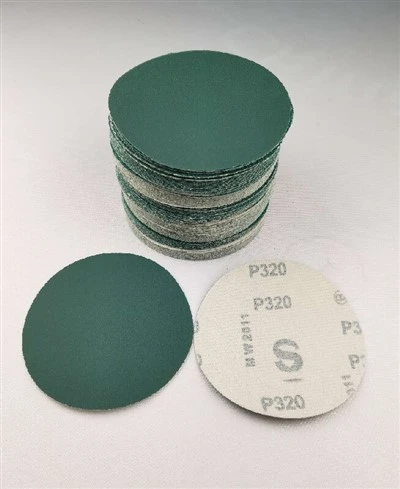
As a cut-off wheel supplier, I often receive inquiries from customers about the compatibility of cut-off wheels with different materials. One common question is whether a cut-off wheel can be used on brass material. In this blog post, I will explore this topic in detail, providing you with the scientific knowledge and practical considerations to help you make an informed decision.
Understanding Brass Material
Brass is an alloy composed primarily of copper and zinc, with varying proportions of these elements depending on the specific type of brass. It is known for its excellent corrosion resistance, malleability, and electrical conductivity. Brass is widely used in a variety of industries, including plumbing, electrical, automotive, and decorative applications.
The properties of brass make it a relatively soft and ductile material compared to some other metals. This characteristic can have implications when it comes to cutting brass with a cut-off wheel.
How Cut-Off Wheels Work
Cut-off wheels are abrasive discs designed to cut through various materials. They are typically made of a combination of abrasive grains, such as aluminum oxide or silicon carbide, bonded together with a resin or other binding agent. When the cut-off wheel rotates at high speed, the abrasive grains act as cutting edges, removing material from the workpiece.
The effectiveness of a cut-off wheel depends on several factors, including the type of abrasive, the bond strength, the wheel's diameter and thickness, and the speed and pressure applied during cutting.
Can a Cut-Off Wheel Be Used on Brass?
The short answer is yes, a cut-off wheel can be used on brass. However, there are several important considerations to keep in mind to ensure a successful and safe cutting operation.
Advantages of Using a Cut-Off Wheel on Brass
- Precision Cutting: Cut-off wheels can provide clean and precise cuts, which is important for applications where accuracy is crucial.
- Versatility: They can be used on a variety of brass shapes and sizes, including rods, tubes, and sheets.
- Efficiency: Cut-off wheels can cut through brass relatively quickly, saving time and labor.
Challenges of Using a Cut-Off Wheel on Brass
- Heat Generation: Cutting brass with a cut-off wheel can generate a significant amount of heat. Brass has a relatively low melting point compared to some other metals, and excessive heat can cause the brass to melt, warp, or develop a rough surface finish.
- Clogging: The soft and ductile nature of brass can cause the abrasive grains on the cut-off wheel to become clogged with brass particles. This can reduce the wheel's cutting efficiency and increase the risk of overheating.
- Wheel Wear: Brass is a relatively soft material, and the abrasive grains on the cut-off wheel may wear down more quickly when cutting brass compared to harder materials. This can result in a shorter wheel life and increased cost.
Choosing the Right Cut-Off Wheel for Brass
To overcome the challenges associated with cutting brass, it is important to choose the right cut-off wheel. Here are some factors to consider:
Abrasive Type
- Aluminum Oxide: Aluminum oxide is a common abrasive used in cut-off wheels. It is suitable for cutting brass because it is relatively hard and can maintain its cutting edge even when cutting soft materials.
- Silicon Carbide: Silicon carbide is a harder and more brittle abrasive than aluminum oxide. It is better suited for cutting harder materials, but it can also be used on brass in some cases. However, silicon carbide wheels may wear down more quickly when cutting brass.
Bond Type
- Resin Bond: Resin-bonded cut-off wheels are the most common type used for cutting brass. They provide good cutting performance and are relatively flexible, which helps to reduce the risk of clogging.
- Vitrified Bond: Vitrified-bonded cut-off wheels are more rigid and durable than resin-bonded wheels. They are suitable for high-speed cutting applications but may be more prone to clogging when cutting brass.
Wheel Design
- Thin Wheels: Thin cut-off wheels are generally preferred for cutting brass because they generate less heat and are more precise. However, they may be more fragile and require more careful handling.
- Hole Size: The hole size of the cut-off wheel should match the arbor size of the cutting tool. Using a wheel with the wrong hole size can cause vibration and reduce the cutting efficiency.
Tips for Cutting Brass with a Cut-Off Wheel
To ensure a successful and safe cutting operation when using a cut-off wheel on brass, follow these tips:
Use the Right Cutting Speed
- Low Speed: To minimize heat generation, it is recommended to use a relatively low cutting speed when cutting brass. Consult the manufacturer's recommendations for the appropriate cutting speed for the specific cut-off wheel and cutting tool you are using.
- Variable Speed: If your cutting tool has a variable speed control, adjust the speed to the lowest setting for cutting brass.
Apply Light Pressure
- Avoid Excessive Force: Applying too much pressure when cutting brass can increase the risk of overheating and wheel wear. Use a light, steady pressure and let the cut-off wheel do the work.
- Feed Rate: Maintain a consistent feed rate to ensure a smooth and even cut.
Use Coolant
- Water or Lubricant: Using a coolant, such as water or a cutting lubricant, can help to reduce heat generation and prevent the cut-off wheel from becoming clogged. Apply the coolant directly to the cutting area during the cutting process.
Check the Wheel Regularly
- Inspect for Clogging: Regularly check the cut-off wheel for signs of clogging. If the wheel becomes clogged, stop the cutting operation and clean the wheel using a wire brush or other appropriate tool.
- Monitor Wear: Monitor the wear of the cut-off wheel and replace it when it becomes worn or damaged.
Safety Precautions
When using a cut-off wheel on brass, it is important to follow all safety precautions to prevent accidents and injuries. Here are some safety tips:
- Wear Protective Gear: Always wear appropriate personal protective equipment, including safety glasses, gloves, and a face shield.
- Secure the Workpiece: Make sure the brass workpiece is securely clamped or held in place to prevent it from moving during the cutting process.
- Follow the Manufacturer's Instructions: Read and follow the manufacturer's instructions for the cut-off wheel and the cutting tool you are using.
- Avoid Overloading the Tool: Do not exceed the maximum speed and capacity of the cutting tool.
- Keep the Work Area Clean: Keep the work area clean and free of debris to prevent tripping hazards.
Conclusion
In conclusion, a cut-off wheel can be used on brass, but it is important to choose the right wheel and follow the proper cutting techniques to ensure a successful and safe cutting operation. By considering the factors discussed in this blog post, you can select the appropriate cut-off wheel for your specific application and achieve the desired cutting results.


If you have any further questions about using cut-off wheels on brass or need help selecting the right wheel for your needs, please do not hesitate to contact us. We are a leading supplier of Cut Off Disc, Cut Off Wheel for Angle Grinder, and Cut-off Wheel, and we are committed to providing our customers with high-quality products and excellent customer service.
References
- "Cutting Tools and Abrasives Handbook," Industrial Press Inc., 2015.
- "Materials Science and Engineering: An Introduction," William D. Callister Jr. and David G. Rethwisch, Wiley, 2015.
- Manufacturer's technical data sheets for cut-off wheels.