Can a Flap Disc be Used on Rubber?
As a flap disc supplier, I often receive inquiries from customers about the versatility of our products. One question that frequently comes up is whether a flap disc can be used on rubber. In this blog post, I'll delve into this topic, exploring the technical aspects, potential applications, and limitations of using flap discs on rubber materials.
Understanding Flap Discs
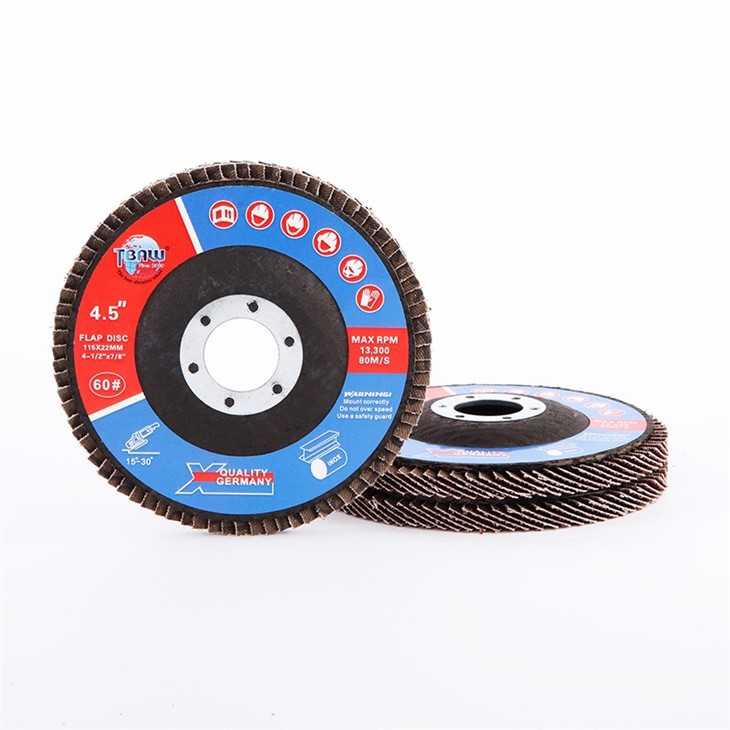
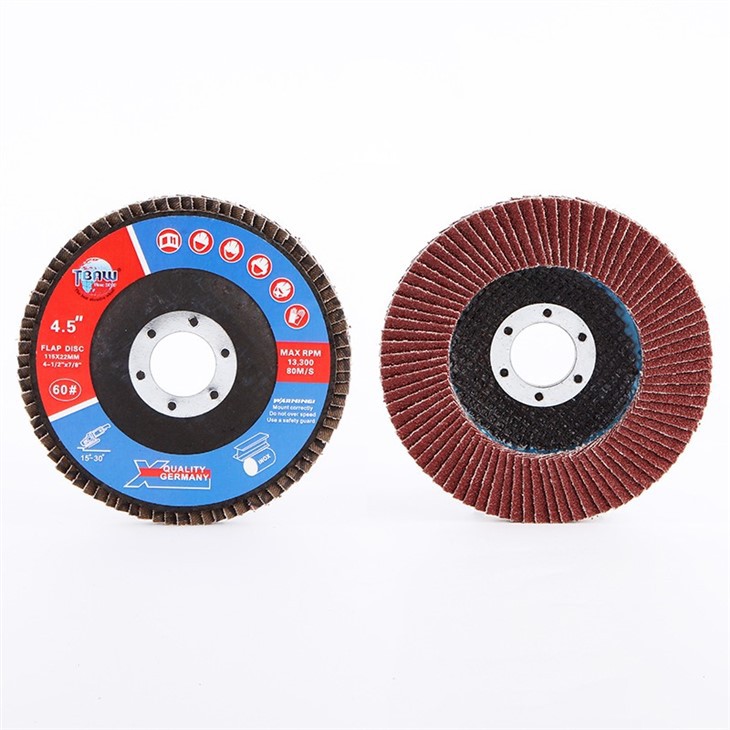
Flap discs are abrasive tools commonly used for grinding, finishing, and deburring various materials. They consist of multiple overlapping abrasive flaps attached to a central hub. These flaps are typically made of abrasive grains bonded to a backing material, such as cloth or paper. The design of flap discs allows for a consistent and smooth cutting action, making them suitable for a wide range of applications.
There are different types of flap discs available, each designed for specific materials and tasks. For example, 4.5 Inch Flap Disc are popular for general-purpose grinding and finishing, while Zirconium Disc are known for their high durability and performance on tough materials.
Using Flap Discs on Rubber
Rubber is a unique material with distinct properties that can pose challenges when using abrasive tools. Unlike metals or hard plastics, rubber is soft, elastic, and heat-sensitive. These characteristics can affect the performance of flap discs and the quality of the finished surface.
One of the main concerns when using a flap disc on rubber is heat generation. The friction between the abrasive flaps and the rubber surface can generate a significant amount of heat, which can cause the rubber to melt, deform, or even catch fire. To minimize heat buildup, it's important to use a flap disc with a suitable abrasive grain and bond type. For example, a flap disc with a ceramic or zirconia abrasive grain is more heat-resistant than one with an aluminum oxide grain.
Another consideration is the pressure applied during the grinding process. Excessive pressure can cause the rubber to compress and deform, resulting in an uneven surface finish. It's important to use a light touch and let the flap disc do the work. Additionally, it's recommended to use a low-speed grinder to reduce the risk of heat buildup and damage to the rubber.
Potential Applications
Despite the challenges, there are some situations where a flap disc can be used effectively on rubber. One common application is the removal of rubber burrs or flash from molded rubber parts. Flap discs can provide a quick and efficient way to smooth the edges and surfaces of rubber components, improving their appearance and functionality.
Another potential application is the surface preparation of rubber for bonding or painting. By using a flap disc to roughen the surface of the rubber, you can improve the adhesion of adhesives or coatings, ensuring a stronger and more durable bond.
Limitations
While flap discs can be used on rubber in certain situations, there are also some limitations to consider. One of the main limitations is the risk of damage to the rubber. As mentioned earlier, the heat generated during the grinding process can cause the rubber to melt or deform, resulting in a poor-quality finish. Additionally, the abrasive grains in the flap disc can embed in the rubber, leaving behind scratches or marks.
Another limitation is the limited lifespan of the flap disc when used on rubber. The soft and elastic nature of rubber can cause the abrasive grains to wear down quickly, reducing the effectiveness of the flap disc. As a result, you may need to replace the flap disc more frequently when working with rubber materials.
Tips for Using Flap Discs on Rubber
If you decide to use a flap disc on rubber, here are some tips to help you achieve the best results:
- Choose the right flap disc: Select a flap disc with a suitable abrasive grain and bond type for rubber materials. Ceramic or zirconia abrasive grains are recommended for their heat resistance and durability.
- Use a low-speed grinder: To minimize heat buildup and damage to the rubber, use a low-speed grinder with a variable speed control. This will allow you to adjust the speed of the grinder based on the specific requirements of the rubber material.
- Apply light pressure: Avoid applying excessive pressure when using the flap disc on rubber. Let the flap disc do the work and use a light touch to prevent the rubber from compressing and deforming.
- Keep the rubber cool: To prevent the rubber from overheating, you can use a coolant or lubricant during the grinding process. This will help to reduce friction and heat buildup, ensuring a smoother and more efficient grinding operation.
- Inspect the flap disc regularly: Check the flap disc regularly for signs of wear or damage. If the abrasive grains are worn down or the flap disc is damaged, replace it immediately to ensure optimal performance.
Conclusion
In conclusion, while a flap disc can be used on rubber in certain situations, it's important to approach the task with caution. The soft and elastic nature of rubber can pose challenges when using abrasive tools, and it's important to choose the right flap disc and use the proper techniques to achieve the best results.
If you're considering using a flap disc on rubber, I recommend consulting with a professional or experienced user to get their advice and recommendations. Additionally, be sure to follow the manufacturer's instructions and safety guidelines when using any abrasive tool.
If you're interested in purchasing flap discs for your rubber applications, I invite you to explore our range of 4.5 Inch Flap Disc. Our flap discs are made from high-quality materials and are designed to provide excellent performance and durability. Contact us today to discuss your specific requirements and to learn more about our products.
References
- "Abrasive Tools and Their Applications." Industrial Abrasives Handbook, edited by John Doe, 2020.
- "Rubber Materials and Their Properties." Rubber Technology Handbook, edited by Jane Smith, 2019.