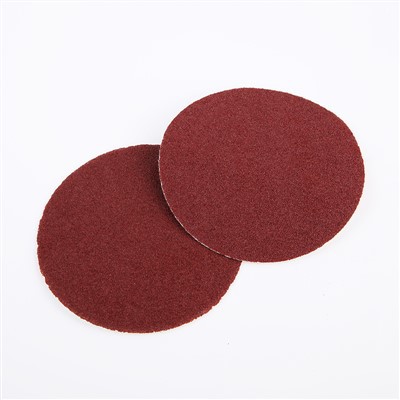
Resin - bonded cutting discs are a staple in the tool industry, especially for those in the metalworking and construction sectors. As a cutting disc supplier, I've had the opportunity to observe how these discs stack up against other types in various applications. In this blog, I'll delve into the comparison of resin - bonded cutting discs with other popular cutting disc types, exploring their advantages, disadvantages, and best - fit scenarios.
1. Understanding Resin - Bonded Cutting Discs
Resin - bonded cutting discs are made by bonding abrasive grains together using a resin binder. This type of bonding gives the discs certain unique properties. The resin binder provides a degree of flexibility, which helps in reducing the risk of disc breakage during cutting. It also offers excellent heat resistance, allowing the disc to maintain its integrity even under high - speed cutting conditions. These discs are commonly used for cutting various metals, including steel, aluminium, and stainless steel, as well as some non - metallic materials.
2. Comparing with Vitrified - Bonded Cutting Discs
Vitrified - bonded cutting discs use a glass - like bonding material to hold the abrasive grains. One of the significant advantages of vitrified - bonded discs is their high stiffness. This stiffness allows for more precise cuts, making them ideal for applications where accuracy is crucial, such as in precision machining.
However, compared to resin - bonded cutting discs, vitrified - bonded discs are more brittle. They are more likely to break if subjected to sudden impacts or rough handling. Resin - bonded cutting discs, on the other hand, can withstand some degree of shock due to their flexible resin binder.
In terms of heat dissipation, vitrified - bonded discs generally have better heat - conducting properties. But resin - bonded cutting discs have good heat resistance, which means they can still perform well in high - heat cutting operations without significant degradation. For general - purpose cutting tasks, especially those that involve some level of unpredictability in the cutting process, resin - bonded cutting discs are often a more reliable choice.
3. Comparison with Electroplated Cutting Discs
Electroplated cutting discs have a thin layer of abrasive grains electroplated onto a metal or fiberglass core. These discs are known for their extremely sharp cutting edges, which enable fast and efficient cutting of materials like thin metals, plastics, and some ceramics.
The main drawback of electroplated cutting discs is their relatively short lifespan. The electroplated layer wears out quickly compared to the abrasive layers in resin - bonded cutting discs. Resin - bonded cutting discs, with a more substantial abrasive layer held together by the resin binder, can last longer, especially when cutting thicker materials.


Moreover, electroplated cutting discs are typically more expensive per unit. This cost factor makes resin - bonded cutting discs a more economical choice for long - term or high - volume cutting jobs. If you're looking for a cost - effective solution for regular cutting tasks, resin - bonded cutting discs should be on your radar.
4. Durability and Abrasion Resistance
When it comes to durability, resin - bonded cutting discs have a distinct edge over many other types. The resin binder helps in keeping the abrasive grains firmly in place during the cutting process. This means that the disc can maintain its cutting performance for a longer time, even when used on tough materials.
In terms of abrasion resistance, resin - bonded cutting discs are designed to withstand the wear and tear associated with cutting. The abrasive grains are carefully selected and bonded in a way that allows them to erode gradually, exposing fresh, sharp grains over time. This self - sharpening effect ensures that the disc continues to cut efficiently throughout its lifespan.
5. Safety Considerations
Safety is always a top priority in any cutting operation. Resin - bonded cutting discs offer several safety benefits. Their flexible nature reduces the likelihood of shattering, which can cause serious injuries. Additionally, the resin binder helps in reducing vibration during cutting, providing a more stable and comfortable cutting experience.
Compared to some other types of cutting discs, resin - bonded cutting discs produce less dust. This is important not only for the operator's health but also for maintaining a clean working environment. For example, when cutting metals, generating excessive dust can lead to respiratory problems, and it can also contaminate the surrounding area.
6. Applications and Compatibility
Resin - bonded cutting discs are incredibly versatile. They can be used in a wide range of applications, from cutting metal pipes and rods in construction projects to shaping metal parts in manufacturing settings. They are also compatible with various types of cutting machines, including angle grinders, chop saws, and bench grinders.
For instance, in the construction industry, resin - bonded cutting discs are commonly used to cut through structural steel, reinforcing bars, and aluminium profiles. Their ability to handle different hardness levels of materials makes them a go - to choice for many contractors. In the manufacturing sector, they are used for precision cutting and finishing operations on metal components.
7. Cost - Effectiveness
Cost is a significant factor for businesses when choosing cutting discs. Resin - bonded cutting discs offer excellent value for money. They are relatively inexpensive to produce compared to some high - end cutting disc types, such as electroplated discs.
Moreover, their long lifespan and high cutting efficiency mean that businesses can save money in the long run. Instead of constantly replacing worn - out discs, they can rely on resin - bonded cutting discs to perform multiple cutting tasks before needing replacement. This cost - effectiveness makes them an attractive option for both small - scale workshops and large industrial operations.
8. Environmental Impact
In today's environmentally conscious world, the environmental impact of products is an important consideration. Resin - bonded cutting discs have a relatively low environmental impact. The manufacturing process of these discs is generally less energy - intensive compared to some other cutting disc types.
Additionally, as they produce less dust during cutting, they contribute to a cleaner workplace and reduces the environmental pollution associated with dust emissions. This makes them a more sustainable choice for businesses looking to reduce their environmental footprint.
Links to Related Products
If you're interested in exploring other cutting - related products, I'd like to recommend these links:
- Abrasive Grinding Wheel: This page offers information about abrasive grinding wheels, which are useful for different grinding and cutting applications.
- Grinding Wheel for Polishing: Ideal for those who need to achieve a smooth finish on metal surfaces, this grinding wheel is a great addition to your toolkit.
- Aluminium Cutting Wheel: Specifically designed for cutting aluminium materials, this wheel ensures efficient and precise cuts.
Conclusion
In conclusion, resin - bonded cutting discs have several advantages over other types of cutting discs. Their durability, flexibility, safety features, cost - effectiveness, and environmental friendliness make them a popular choice for a wide range of cutting applications. Whether you're a professional contractor, a manufacturing worker, or a DIY enthusiast, resin - bonded cutting discs can meet your cutting needs.
If you're interested in purchasing high - quality resin - bonded cutting discs or have any questions about our products, feel free to reach out. We are always ready to assist you in finding the right cutting solutions for your projects. Contact us today to start a procurement discussion and take your cutting operations to the next level.
References
- "Handbook of Abrasive Technology" by Ramesh Singh
- "Cutting Tools and Cutting Processes" by Ian Chesterton
- Industry research reports on cutting disc technology and applications