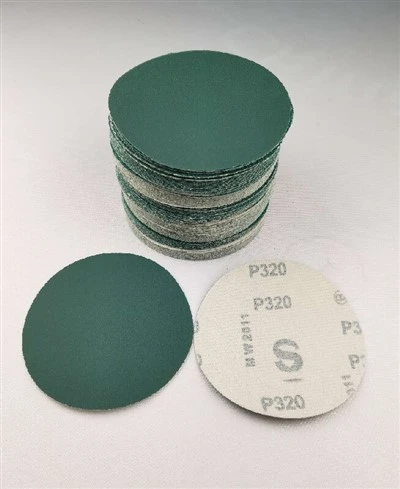
In the realm of abrasive tools, stone abrasive wheels stand as indispensable assets, playing a crucial role in various industrial and construction applications. As a seasoned stone abrasive wheel supplier, I've witnessed firsthand the dynamic interplay between wheel speed and wear. Understanding how wheel speed affects the wear of a stone abrasive wheel is not only essential for optimizing performance but also for ensuring cost - effectiveness and safety.
The Basics of Stone Abrasive Wheels
Before delving into the relationship between wheel speed and wear, it's important to understand the nature of stone abrasive wheels. These wheels are typically made from abrasive materials such as aluminum oxide, silicon carbide, or diamond, bonded together by a matrix material. The abrasive grains are responsible for cutting and grinding the workpiece, while the bond holds the grains in place and provides the necessary strength and shape to the wheel.
There are different types of stone abrasive wheels, each designed for specific applications. For instance, the Depressed Center Grinding Wheel is well - suited for grinding and finishing tasks on flat or contoured surfaces. Its unique design allows for better access to hard - to - reach areas. The Steel Abrasive Wheel is engineered to handle the tough job of grinding steel, offering high durability and cutting efficiency. And the Grinder Abrasive Wheel is a general - purpose wheel used in various grinding machines.
The Impact of Wheel Speed on Abrasive Grain Performance
The speed at which a stone abrasive wheel rotates has a profound impact on the performance of its abrasive grains. At low speeds, the cutting action of the abrasive grains is relatively gentle. The grains have more time to engage with the workpiece, and the forces acting on them are relatively small. This can result in a slower material removal rate but may also lead to less wear on the abrasive grains themselves.
However, as the wheel speed increases, the situation changes significantly. The kinetic energy of the abrasive grains rises, allowing them to cut through the workpiece more aggressively. This leads to a higher material removal rate, which is often desirable in industrial applications where time is of the essence. But with this increased cutting power comes a greater risk of wear. The higher speed subjects the abrasive grains to greater mechanical stresses, such as impact forces and frictional forces. These forces can cause the grains to fracture, chip, or become dislodged from the bond.
In addition, high - speed rotation can generate a substantial amount of heat. The heat can have a dual effect on the abrasive grains. On one hand, it can soften the workpiece material, making it easier for the grains to cut through. On the other hand, excessive heat can damage the abrasive grains and the bond. The abrasive grains may lose their sharpness due to thermal wear, and the bond may weaken, causing premature grain loss.
Wear Mechanisms at Different Wheel Speeds
Low - Speed Wear
At low wheel speeds, the primary wear mechanism is usually micro - chipping of the abrasive grains. As the grains interact with the workpiece, small fragments break off from the grain tips. This is a relatively slow process, and the wheel can maintain its cutting ability for a longer period. However, the low material removal rate may not be suitable for large - scale or high - volume grinding operations.
Another form of low - speed wear is attrition wear. This occurs when the abrasive grains gradually wear down due to the continuous rubbing against the workpiece. The grains become duller over time, and the cutting efficiency decreases. To compensate for this, operators may need to apply more pressure, which can further accelerate the wear process.
High - Speed Wear
High - speed wear is more complex and often more severe. In addition to micro - chipping and attrition wear, high - speed rotation can lead to macro - fracturing of the abrasive grains. The large impact forces generated at high speeds can cause the grains to break into large pieces, resulting in a significant loss of cutting ability.
Thermal wear is also a major concern at high speeds. The heat generated during high - speed grinding can cause thermal expansion and contraction of the abrasive grains and the bond. This can lead to internal stresses within the wheel, which may cause cracking and spalling. Moreover, the heat can chemically react with the abrasive grains and the workpiece material, altering their properties and accelerating wear.
Factors Affecting the Relationship between Wheel Speed and Wear
Workpiece Material
The type of workpiece material has a significant influence on how wheel speed affects wear. Softer materials, such as wood or plastic, generally require lower wheel speeds. At higher speeds, the abrasive grains may cut through the material too quickly, causing excessive wear on the wheel due to the lack of resistance.
Harder materials, like granite or steel, can withstand higher wheel speeds. The high - speed rotation allows the abrasive grains to effectively cut through the tough material, but it also subjects the wheel to greater wear. For example, when grinding steel with a Steel Abrasive Wheel, a moderate to high wheel speed is often required to achieve a satisfactory material removal rate, but the wheel must be carefully selected to withstand the associated wear.
Wheel Design and Composition
The design and composition of the stone abrasive wheel also play a crucial role. Wheels with a more open structure allow for better coolant flow and chip evacuation, which can help reduce heat and wear at high speeds. The type of bond used in the wheel is also important. A stronger bond can hold the abrasive grains in place more effectively, reducing the risk of premature grain loss at high speeds.
The size and distribution of the abrasive grains also affect wear. Larger grains generally have a higher cutting ability but may be more prone to wear at high speeds. A uniform grain distribution ensures consistent cutting performance and can help reduce uneven wear.
Optimizing Wheel Speed to Minimize Wear
As a stone abrasive wheel supplier, I often recommend that customers find the optimal wheel speed for their specific applications. This involves a balance between achieving a high material removal rate and minimizing wheel wear.
To determine the optimal speed, it's important to consider the factors mentioned above, such as the workpiece material, wheel design, and composition. Conducting test runs at different speeds can provide valuable insights into the performance and wear characteristics of the wheel.
In addition, proper maintenance of the grinding equipment is essential. Regularly checking and adjusting the wheel speed, ensuring proper alignment of the wheel, and using appropriate coolant can all help reduce wear and extend the lifespan of the stone abrasive wheel.
Conclusion
The relationship between wheel speed and the wear of a stone abrasive wheel is a complex one, influenced by various factors such as abrasive grain performance, wear mechanisms, workpiece material, and wheel design. As a stone abrasive wheel supplier, I understand the importance of helping customers make informed decisions about wheel speed to optimize performance and minimize costs.


Whether you're in the market for a Depressed Center Grinding Wheel, a Steel Abrasive Wheel, or a Grinder Abrasive Wheel, we have the expertise and products to meet your needs. If you're interested in learning more about our stone abrasive wheels or have any questions regarding wheel speed and wear, please feel free to contact us for procurement and further discussions.
References
- Malkin, S. (1989). Grinding Technology: Theory and Applications of Machining with Abrasives. Society of Manufacturing Engineers.
- Shaw, M. C. (2005). Metal Cutting Principles. Oxford University Press.
- Trent, E. M., & Wright, P. K. (2000). Metal Cutting. Butterworth - Heinemann.