Hey there! As a supplier of 14 inch cut off wheels, I've seen my fair share of folks struggling with adjusting the cutting pressure. It's a crucial part of getting the best results when using these wheels, whether you're cutting through metal or other materials. So, let's dive into how you can adjust that cutting pressure like a pro.
First off, why is adjusting the cutting pressure so important? Well, if the pressure is too low, the cut off wheel won't cut efficiently. You'll end up spending more time on the job, and the wheel might wear out unevenly. On the other hand, if the pressure is too high, it can cause the wheel to overheat, which can lead to premature wear and even breakage. Plus, excessive pressure can also result in a rough cut, which is definitely not what you want.
Understanding the Basics of Cutting Pressure
Before we get into the nitty - gritty of adjustment, let's understand what factors affect cutting pressure. The type of material you're cutting is a major one. For example, cutting through soft metals like aluminum is a lot different from cutting through hardened steel. Aluminum is more malleable, so you can generally use less pressure. Check out our Aluminium Cutting Wheel for a great option when working with this material.
The thickness of the material also plays a role. Thicker materials usually require more pressure to cut through, but you have to be careful not to go overboard. If you're using a Metal Cut Off Disc on a thick piece of steel, you'll need to apply a steady, firm pressure.
The condition of the cut off wheel matters too. A new wheel can handle different pressure levels compared to a worn - out one. As the wheel wears down, you might need to adjust the pressure slightly to maintain a good cut.

Starting with the Right Pressure
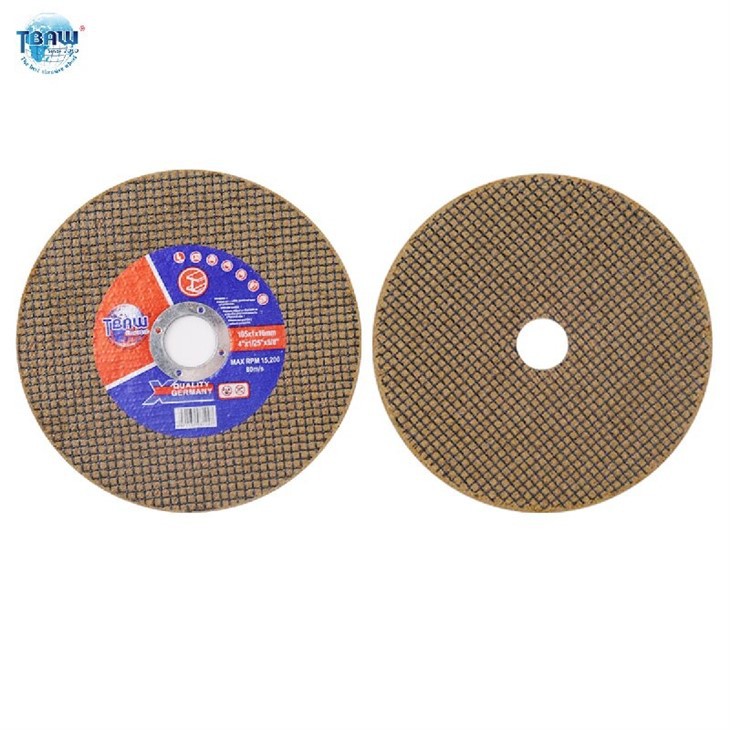
When you're about to start a cutting job, it's a good idea to start with a moderate pressure. Don't just bear down on the material right away. Begin by gently applying the wheel to the surface. You should feel the wheel start to make contact and cut into the material. If it seems like the wheel is just skating over the surface without cutting, you can gradually increase the pressure.
Let's say you're using our 14 inch cut off wheel on a medium - thickness piece of mild steel. Start by holding the cutting tool with a relaxed grip and let the weight of the tool do some of the work. Apply a light pressure, and if the cut isn't progressing well, slowly add a bit more pressure.
Monitoring the Cut
While you're cutting, it's important to keep an eye on how the cut is going. Look at the sparks. If the sparks are flying in a nice, consistent pattern, that's a good sign. But if the sparks are erratic or there are hardly any, it could mean you need to adjust the pressure.
Another thing to watch is the sound. A smooth, steady cutting sound is what you're aiming for. If you hear a lot of screeching or grinding, it might be a sign that the pressure is too high or too low.
Also, pay attention to the heat. If the wheel or the material is getting too hot, it could be because of excessive pressure. You might need to back off a bit and let things cool down before continuing.
Adjusting for Different Materials
As I mentioned earlier, different materials require different cutting pressures. When cutting aluminum, as I said before, you can usually get away with less pressure. Our Aluminium Cutting Wheel is designed to work well with lower pressures. Just gently guide the wheel through the aluminum, and you should get a clean cut.
For harder metals like stainless steel or hardened steel, you'll need to increase the pressure. But remember, it's a balance. You don't want to push so hard that you damage the wheel. Our Metal Cut Off Disc can handle the tougher jobs, but you still need to apply the pressure carefully.
If you're using a Super Thin Cut Off Disc, you need to be extra careful with the pressure. These discs are more delicate, so you should use a lighter touch and gradually increase the pressure as needed.
Tips for Consistent Cutting
To get a consistent cut, try to maintain a steady hand. Don't jerk the cutting tool around. Keep a smooth, even motion as you guide the wheel through the material.
It's also a good idea to take breaks. Cutting can generate a lot of heat, and taking short breaks can help prevent overheating. This also gives you a chance to re - evaluate the pressure and make any necessary adjustments.
Troubleshooting Pressure Issues
If you're having trouble getting a good cut, there are a few things you can try. If the pressure seems too low and the wheel isn't cutting, make sure the wheel is sharp. A dull wheel might need more pressure to cut effectively, but it's better to replace a dull wheel if possible.
If the pressure is too high and the wheel is overheating or the cut is rough, try reducing the pressure and see if that helps. You might also want to check the speed of the cutting tool. Sometimes, adjusting the speed can work in tandem with adjusting the pressure to get a better cut.
Contact Us for Your Cutting Needs
Well, that's all about adjusting the cutting pressure when using a 14 inch cut off wheel. If you have any more questions or if you're looking to purchase high - quality cut off wheels, we're here to help. We've got a wide range of products, including the ones I mentioned above, to suit all your cutting requirements. Whether you're a professional tradesperson or a DIY enthusiast, we've got the right wheel for you.
If you're interested in learning more about our products or want to discuss your specific cutting needs, don't hesitate to reach out. We're always happy to talk about how our 14 inch cut off wheels can make your cutting jobs easier and more efficient.
References
- "Cutting Tool Handbook", Industrial Press Inc.
- Various industry - specific technical manuals and guides on metal cutting.