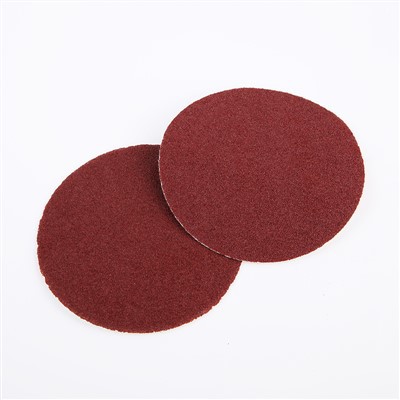
As a supplier of Resin Grinding Wheels, I've witnessed firsthand the importance of preventing overheating in these essential tools. Overheating not only reduces the efficiency and lifespan of the grinding wheel but also poses significant safety risks. In this blog, I'll share some effective strategies to avoid overheating of a resin grinding wheel, based on my years of experience in the industry.


Understanding the Causes of Overheating
Before we delve into the solutions, it's crucial to understand what causes a resin grinding wheel to overheat. Several factors can contribute to this issue:
- Excessive Pressure: Applying too much pressure while grinding can generate excessive friction, leading to overheating. When the wheel is forced against the workpiece with too much force, it has to work harder to remove material, which in turn produces more heat.
- Incorrect Grinding Speed: Using the wrong grinding speed can also cause overheating. If the wheel is spinning too fast, it can generate more heat than it can dissipate. On the other hand, if the speed is too slow, the wheel may not be able to cut through the material efficiently, resulting in increased friction and heat.
- Dull Wheel: A dull grinding wheel requires more force to cut through the material, which can lead to overheating. As the wheel wears down, its cutting edges become less sharp, and it has to work harder to remove material.
- Poor Ventilation: Inadequate ventilation can prevent the heat from dissipating properly, causing the wheel to overheat. When the grinding wheel is operating in a confined space, the heat can build up quickly, leading to overheating.
Strategies to Avoid Overheating
Now that we understand the causes of overheating, let's explore some strategies to prevent it:
- Use the Right Pressure: Apply just enough pressure to the grinding wheel to achieve the desired result. Avoid applying excessive pressure, as this can generate more heat and cause the wheel to wear out faster. If you're unsure how much pressure to apply, start with a light touch and gradually increase the pressure as needed.
- Select the Correct Grinding Speed: Make sure to use the recommended grinding speed for the specific type of resin grinding wheel and the material you're working with. Refer to the manufacturer's guidelines to determine the appropriate speed. Using the wrong speed can not only cause overheating but also affect the quality of the grinding.
- Keep the Wheel Sharp: Regularly inspect the grinding wheel for signs of wear and tear. If the wheel is dull, replace it with a new one. A sharp wheel will cut through the material more efficiently, reducing the amount of friction and heat generated. You can also use a dressing tool to maintain the sharpness of the wheel.
- Ensure Adequate Ventilation: Make sure the grinding area is well-ventilated to allow the heat to dissipate. You can use a fan or an exhaust system to improve the airflow. If you're working in a confined space, consider using a local exhaust ventilation system to remove the heat and dust.
- Use Coolants: Coolants can help reduce the temperature of the grinding wheel and the workpiece. They work by dissipating the heat and lubricating the cutting edges of the wheel. There are different types of coolants available, such as water-based and oil-based coolants. Choose the coolant that is suitable for the type of material you're grinding and the grinding process.
- Take Breaks: Grinding for long periods without taking breaks can cause the wheel to overheat. Take regular breaks to allow the wheel to cool down. This will not only prevent overheating but also reduce the risk of fatigue and injury.
Importance of Quality Resin Grinding Wheels
Using high-quality resin grinding wheels is essential to prevent overheating. A good quality wheel is designed to withstand the heat and friction generated during the grinding process. It has a higher heat resistance and a better cutting performance, which can help reduce the risk of overheating.
At our company, we offer a wide range of high-quality resin grinding wheels, including Angle Grinder Wheel, 5 Inch Grinding Wheels, and Diamond Grinding Disc. Our wheels are made from premium materials and are manufactured using advanced technology to ensure superior performance and durability.
Conclusion
Overheating of a resin grinding wheel can be a serious problem that can affect the efficiency, lifespan, and safety of the wheel. By understanding the causes of overheating and implementing the strategies outlined in this blog, you can prevent overheating and ensure the optimal performance of your grinding wheel.
If you're interested in purchasing high-quality resin grinding wheels, please feel free to contact us. We'll be happy to assist you with your procurement needs and provide you with the best solutions for your grinding applications.
References
- "Grinding Wheel Safety," Occupational Safety and Health Administration (OSHA).
- "Resin Bonded Grinding Wheels: A Comprehensive Guide," Grinding Wheel Manufacturers Association.
- "Preventing Overheating in Grinding Operations," American Machinist.