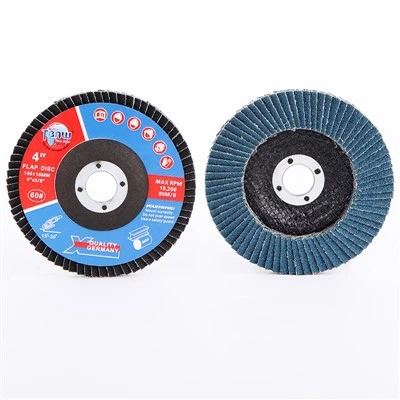
Using a cutting disc vertically presents a set of unique challenges that every professional and DIY enthusiast should be aware of. As a cutting disc supplier, we've witnessed firsthand the issues that users face when operating these tools in a vertical orientation. In this blog, we'll delve into the primary challenges associated with vertical cutting and offer some practical solutions.
1. Safety Concerns
One of the most significant challenges of using a cutting disc vertically is safety. When a cutting disc is used vertically, the risk of kickback increases substantially. Kickback occurs when the cutting disc binds in the material being cut and suddenly throws the tool back towards the user. This can result in serious injury, including cuts, bruises, and even broken bones.
To mitigate this risk, users must ensure that the cutting disc is properly seated and secured in the tool. Additionally, the workpiece should be firmly clamped to prevent movement during the cutting process. Always wear appropriate safety gear, including safety glasses, gloves, and a face shield, to protect yourself from flying debris.
2. Uneven Wear
Vertical cutting can also lead to uneven wear on the cutting disc. Unlike horizontal cutting, where the disc rotates evenly across the surface of the material, vertical cutting places more stress on one side of the disc. This can cause the disc to wear unevenly, reducing its lifespan and cutting performance.


To minimize uneven wear, it's important to use the correct cutting speed and pressure. Avoid applying too much pressure on the disc, as this can cause it to overheat and wear prematurely. Additionally, periodically rotate the cutting disc to ensure that it wears evenly.
3. Dust and Debris
When using a cutting disc vertically, dust and debris can accumulate on the disc, reducing its cutting efficiency and increasing the risk of overheating. This is particularly problematic when cutting materials such as metal, which produce a large amount of dust and debris.
To address this issue, it's essential to use a vacuum or dust collection system to remove dust and debris from the cutting area. This not only helps to keep the work environment clean but also extends the life of the cutting disc. Additionally, users should regularly clean the cutting disc to remove any buildup of dust and debris.
4. Limited Visibility
Vertical cutting can also pose a challenge in terms of visibility. When working vertically, it can be difficult to see the cutting line clearly, which can lead to inaccurate cuts and potentially dangerous situations.
To improve visibility, users can use a cutting guide or a laser guide to ensure that the cuts are straight and accurate. Additionally, positioning the light source in such a way that it illuminates the cutting area can significantly enhance visibility.
5. Structural Integrity of the Disc
Using a cutting disc vertically can put additional stress on the disc's structure. The constant pressure and vibration during vertical cutting can cause the disc to crack or break, especially if the disc is not designed for vertical use.
It's crucial to choose a cutting disc that is specifically designed for vertical cutting applications. These discs are typically made with stronger materials and have a more robust structure to withstand the additional stress. For example, our Diamond Cut Off Wheels are engineered to provide exceptional performance and durability even in vertical cutting scenarios.
6. Heat Generation
Vertical cutting often generates more heat compared to horizontal cutting. The concentrated pressure and friction during vertical cuts can cause the cutting disc to heat up rapidly, which can lead to premature wear, reduced cutting performance, and even damage to the disc.
To manage heat generation, users should use a cutting disc with a high heat resistance. Our Ultra Thin Metal Cutting Disc is designed to dissipate heat quickly, ensuring efficient cutting and a longer service life. Additionally, allowing the disc to cool down periodically during the cutting process can help prevent overheating.
7. Stability of the Workpiece
Maintaining the stability of the workpiece is critical when using a cutting disc vertically. If the workpiece is not properly secured, it can move or shift during the cutting process, which can result in inaccurate cuts and increase the risk of kickback.
To ensure the stability of the workpiece, use appropriate clamping devices or fixtures. For larger workpieces, it may be necessary to use multiple clamps to hold the material firmly in place. This will not only improve the quality of the cuts but also enhance safety.
8. Operator Fatigue
Vertical cutting can be physically demanding and can lead to operator fatigue more quickly than horizontal cutting. Holding the cutting tool in a vertical position requires more effort and concentration, which can cause muscle strain and fatigue over time.
To reduce operator fatigue, provide ergonomic cutting tools and encourage operators to take regular breaks. Our Multi - function Cutting Wheel can be used with tools designed for comfort and ease of use, helping to reduce the physical strain on the operator.
Solutions and Recommendations
Despite these challenges, vertical cutting can be performed safely and effectively with the right techniques and tools. Here are some practical solutions:
- Proper Training: Ensure that all operators are properly trained in the safe use of cutting discs in a vertical orientation. Training should include safety procedures, tool operation, and maintenance.
- Quality Cutting Discs: Invest in high - quality cutting discs that are designed for vertical cutting. Our range of cutting discs, including Metal Cutting Wheel For Bench Grinder and Abrasive Grinding Wheel, are engineered to meet the demands of vertical cutting applications.
- Regular Maintenance: Regularly inspect and maintain cutting discs and tools to ensure optimal performance. Replace worn or damaged discs immediately to prevent accidents.
Conclusion
Using a cutting disc vertically comes with its fair share of challenges, from safety concerns to issues related to wear and heat generation. However, by understanding these challenges and implementing the appropriate solutions, users can effectively and safely perform vertical cutting operations.
As a cutting disc supplier, we're committed to providing high - quality products and expert advice to help you overcome these challenges. If you're in the market for cutting discs or have questions about vertical cutting, we encourage you to contact us for a professional consultation and to explore our wide range of cutting products. We're here to assist you in finding the best solutions for your cutting needs.
References
- Manufacturer's guidelines for cutting disc use
- Industry safety standards for cutting operations
- Technical literature on cutting disc performance