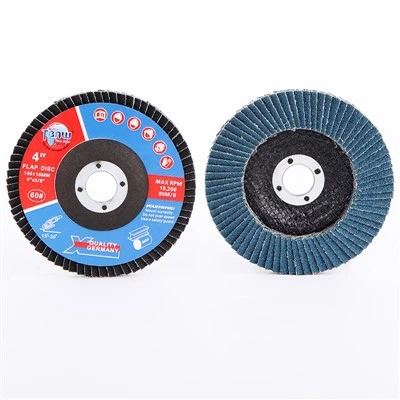
Hey there, folks! As a supplier of Resin Grinding Disks, I've been in the thick of the grinding industry for quite a while now. And let me tell you, the use of Resin Grinding Disks in automated grinding systems has become super popular. But there are certain requirements you gotta keep in mind if you want to use these disks effectively in such systems. So, let's dive right in!
Compatibility with the Automated Grinding System
First off, the most crucial requirement is that the Resin Grinding Disk has to be compatible with your automated grinding system. Every system is designed with specific parameters, like the spindle speed, the mounting mechanism, and the power output. You can't just slap any old disk on there and expect it to work.
For example, if your automated grinder has a high - speed spindle, you need a Resin Grinding Disk that can handle that kind of rotational speed. Using a disk not rated for high speeds can lead to all sorts of problems, like the disk flying apart, which is not only dangerous but also damages your equipment.
The mounting mechanism is equally important. Some automated systems use a flange - type mounting, while others use a screw - on or a quick - change system. Your Resin Grinding Disk should have the appropriate connection to fit securely onto the grinder. If it's loose, it won't grind properly and can cause uneven surfaces on your workpiece.
Abrasive Grit and Bond Type
The abrasive grit and bond type of the Resin Grinding Disk play a huge role in its performance in an automated system. The grit size determines how coarse or fine the grinding action is. For rough grinding, you'd want a disk with a coarser grit, like 24 or 36. These are great for quickly removing large amounts of material. On the other hand, if you're doing a finishing pass, a finer grit, say 120 or 220, will give you a smoother surface.
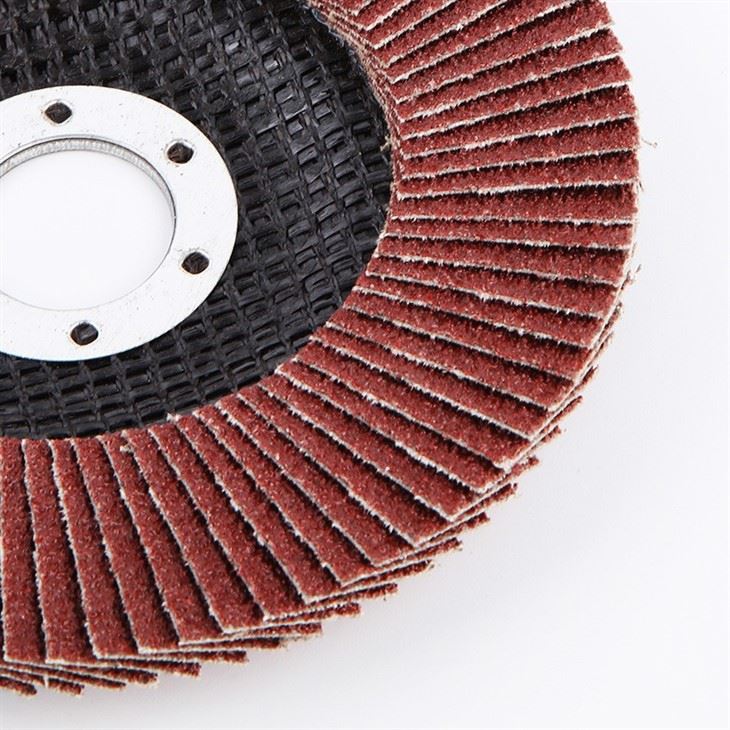
The bond type is how the abrasive particles are held together in the disk. Resin bonds are known for being flexible and providing good cutting action. But different bond strengths are suitable for different applications. A softer bond is better for grinding hard materials because it allows the worn - out abrasive particles to break away easily, exposing fresh ones. A harder bond, however, is more suitable for softer materials as it can hold the abrasive particles in place for longer.

Workpiece Material
The material you're grinding is another major factor. Different materials have different hardness, density, and composition, and your Resin Grinding Disk needs to be selected accordingly.
If you're grinding metal, like steel or aluminum, you'll need a disk designed specifically for metal grinding. For instance, our Flat Metal Grinding Disc (Type 1) is a great choice for this kind of application. It has the right combination of abrasive and bond to cut through metal efficiently.
When it comes to concrete grinding, you've got options like the Single Row Diamond Concrete Grinding Disc or the Turbo Diamond Concrete Grinding Disc. These disks use diamond abrasives, which are super hard and can easily grind through the tough concrete surface.
Cooling and Lubrication
In automated grinding systems, proper cooling and lubrication are essential for the Resin Grinding Disk's performance and lifespan. Grinding generates a lot of heat, and if not controlled, this heat can damage the disk's bond, causing the abrasive particles to fall off prematurely.
Cooling can be achieved through different methods. Some automated systems use a coolant fluid that is sprayed directly onto the grinding area. This not only reduces the temperature but also helps to flush away the grinding debris. Lubrication, on the other hand, can reduce friction between the disk and the workpiece, making the grinding process smoother.
Safety Considerations
Safety is always a top priority when using Resin Grinding Disks in automated systems. The grinding process can generate a lot of dust and debris, which can be harmful if inhaled. So, it's important to have a good dust collection system in place.
Also, the automated system should have proper guarding to protect operators from flying debris. The disk should be installed correctly, and the system should have safety interlocks to prevent it from starting if the disk is not properly installed or if the guards are open.
In addition, operators should be trained on how to use the automated grinding system and the Resin Grinding Disks safely. They need to know how to handle the equipment, how to change the disks, and what to do in case of an emergency.
Maintenance and Inspection
Regular maintenance and inspection of the Resin Grinding Disk and the automated system are necessary to ensure consistent performance. The disk should be inspected for signs of wear, damage, or imbalance before each use. If the disk is worn beyond its recommended limit, it should be replaced immediately.
The automated system also needs to be maintained. This includes checking the spindle for proper alignment, lubricating the moving parts, and ensuring that the coolant and dust collection systems are working properly.
Cost - effectiveness
Finally, cost - effectiveness is a big consideration. When choosing a Resin Grinding Disk for your automated system, you need to look at the overall cost, not just the initial purchase price. A high - quality disk may cost more upfront, but it can last longer, provide better performance, and reduce the amount of downtime due to disk changes.
For example, our Unitized Deburring Wheel is a bit pricier, but it offers a long - lasting and efficient deburring solution for your automated systems. It can save you money in the long run by reducing the need for frequent replacements.
Well, there you have it, folks! These are the main requirements for using a Resin Grinding Disk in automated grinding systems. If you're looking for high - quality Resin Grinding Disks that meet all these requirements, we're here to help. Whether you need a Single Row Diamond Concrete Grinding Disc, an Angle Grinder Wheel, or any other type of grinding disk, we've got you covered.
If you're interested in learning more or making a purchase, just reach out to us. We're happy to discuss your specific needs and help you find the perfect Resin Grinding Disk for your automated system. Let's get grinding!
References
- Industry standards for grinding disks in automated systems
- Technical manuals for various types of Resin Grinding Disks
- User experiences and case studies from other users of automated grinding systems