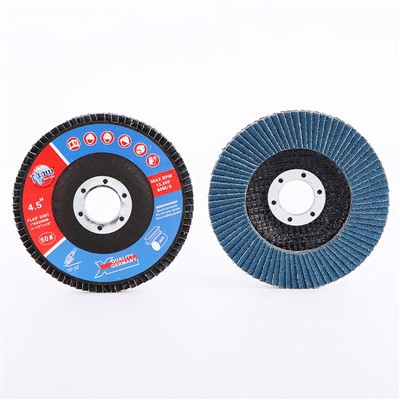
As a supplier of Cut Off Discs, I've had the privilege of witnessing the widespread use of these tools across various industries. Diamond cut off discs, in particular, are renowned for their exceptional cutting performance and durability. However, like any product, they come with their own set of disadvantages. In this blog post, I'll delve into the drawbacks of diamond cut off discs to provide a comprehensive understanding for potential users.
High Cost
One of the most significant disadvantages of diamond cut off discs is their high cost. Diamonds are precious and expensive materials, and the manufacturing process of diamond cut off discs involves embedding these diamonds onto the disc surface. This results in a significantly higher price compared to traditional cut off discs made from other materials such as abrasive grains. For small - scale workshops or DIY enthusiasts on a tight budget, the cost of diamond cut off discs can be a major deterrent. The initial investment required to purchase these discs can be substantial, and it may not be feasible for those who only need to perform occasional cutting tasks.


For example, a standard abrasive cut off disc might cost a few dollars, while a diamond cut off disc of similar size can cost ten to twenty times more. This price difference can make it difficult for businesses with limited financial resources to justify the purchase, especially when they can achieve similar results with less expensive alternatives for less demanding applications.
Limited Application on Soft Materials
Diamond cut off discs are designed to cut through hard materials such as concrete, stone, and metals. However, they are not very effective when it comes to cutting soft materials. The hardness of the diamond makes it difficult to grip and cut through materials like wood, plastic, or rubber. When used on soft materials, the diamond cut off disc may cause excessive chipping, tearing, or melting, resulting in a poor - quality cut.
For instance, if you try to cut a piece of wood with a diamond cut off disc, the disc may not be able to make a clean cut. Instead, it may splinter the wood, leaving an uneven and rough edge. In the case of plastic, the heat generated by the cutting process can cause the plastic to melt and stick to the disc, reducing its cutting efficiency and potentially damaging the disc.
Risk of Overheating
Diamond cut off discs generate a significant amount of heat during the cutting process. This is due to the high friction between the diamond particles and the material being cut. If the cutting process is not properly managed, the disc can overheat, which can lead to several problems.
Overheating can cause the diamond particles to lose their bonding to the disc surface. Once the diamonds start to come loose, the cutting performance of the disc is severely compromised. Additionally, overheating can also cause the disc to warp or crack, rendering it useless. To prevent overheating, users need to use the disc at the appropriate speed and apply the right amount of pressure. They also need to ensure proper cooling, which may involve using water or other cooling agents during the cutting process. This additional requirement for cooling and careful operation can be inconvenient and time - consuming.
Noise and Vibration
Another drawback of diamond cut off discs is the high level of noise and vibration they produce during operation. The high - speed rotation of the disc and the impact of the diamond particles on the material create a loud noise that can be harmful to the operator's hearing if proper hearing protection is not worn. Moreover, the vibration can cause discomfort and fatigue to the operator, especially during long - term use.
Prolonged exposure to high - level noise can lead to hearing loss, and the vibration can cause hand - arm vibration syndrome (HAVS), which is a condition that affects the nerves, blood vessels, and muscles in the hands and arms. To mitigate these risks, operators need to wear appropriate personal protective equipment (PPE) such as earplugs and anti - vibration gloves. However, these additional safety measures add to the overall cost and complexity of using diamond cut off discs.
Fragility and Safety Concerns
Although diamond is one of the hardest materials on earth, diamond cut off discs can be fragile in certain situations. If the disc is subjected to excessive force or impact, it can crack or break. A broken disc can pose a serious safety hazard to the operator and those in the vicinity. The flying fragments of the broken disc can cause injuries, such as cuts, abrasions, or even more severe damage to the eyes and other body parts.
To ensure safety, users need to handle diamond cut off discs with care. They should inspect the disc before use for any signs of damage and follow the manufacturer's instructions regarding installation, operation, and maintenance. However, despite these precautions, the risk of disc breakage still exists, which is a concern for many users.
Environmental Impact
The production of diamond cut off discs has a significant environmental impact. The mining of diamonds is associated with various environmental problems, including deforestation, soil erosion, and water pollution. The manufacturing process also consumes a large amount of energy and generates waste.
In addition, when the diamond cut off discs reach the end of their life cycle, they need to be disposed of properly. If not disposed of correctly, they can contribute to environmental pollution. Recycling diamond cut off discs is a complex and costly process, and many end - users may not have access to proper recycling facilities.
Conclusion
While diamond cut off discs offer excellent cutting performance and durability for hard materials, they also have several disadvantages. The high cost, limited application on soft materials, risk of overheating, noise and vibration, fragility, and environmental impact are all factors that potential users need to consider.
However, it's important to note that these disadvantages may not be significant for all applications. For industries where cutting hard materials is a regular and critical task, the benefits of diamond cut off discs may outweigh the drawbacks.
If you're in the market for a cutting solution, I encourage you to explore our range of Cut Off Disc. We also offer Multi - function Cutting Disc and Multi - function Cutting Disk that are designed to meet different cutting needs. If you have any questions or would like to discuss your specific requirements, feel free to reach out to us for a purchase negotiation.
References
- "Cutting Tools Handbook", Industrial Press Inc.
- "Safety Guidelines for Abrasive Cutting Discs", Occupational Safety and Health Administration (OSHA)
- "Environmental Impact of Diamond Mining", World Wildlife Fund (WWF)