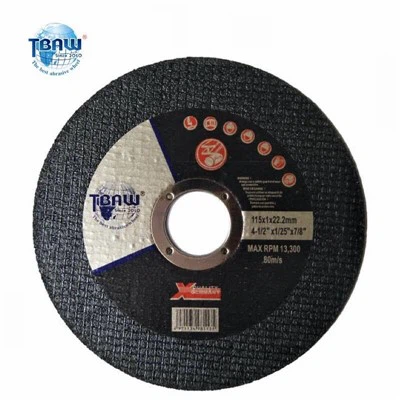
As a supplier of Resin Grinding Disks, I've witnessed firsthand the widespread use of these tools across various industries. Resin grinding disks are essential for tasks such as metalworking, stone cutting, and surface finishing. However, it's crucial to understand the environmental impacts associated with their use. This blog post aims to delve into the ecological consequences of using resin grinding disks and explore potential solutions to mitigate these effects.
Air Pollution
One of the most significant environmental impacts of using resin grinding disks is air pollution. During the grinding process, fine particles are released into the air, which can pose serious health risks to workers and nearby communities. These particles, known as respirable dust, can penetrate deep into the lungs and cause respiratory problems, including asthma, bronchitis, and lung cancer.
The resin used in grinding disks also contributes to air pollution. When heated during the grinding process, the resin can release volatile organic compounds (VOCs) into the air. VOCs are harmful chemicals that can react with other pollutants in the atmosphere to form ground-level ozone, a major component of smog. Ground-level ozone can cause respiratory problems, eye irritation, and damage to crops and other vegetation.
To reduce air pollution from resin grinding disks, it's important to use proper ventilation systems and personal protective equipment (PPE). Ventilation systems can help remove dust and fumes from the air, while PPE such as respirators can protect workers from inhaling harmful particles. Additionally, choosing grinding disks with low VOC emissions can help minimize the environmental impact of the grinding process.
Water Pollution
Another environmental concern associated with resin grinding disks is water pollution. During the grinding process, water is often used to cool the disk and prevent overheating. This water can become contaminated with metal particles, resin, and other pollutants, which can then be discharged into waterways.
Contaminated water can have a significant impact on aquatic ecosystems. Metal particles can accumulate in the sediment and water, which can be toxic to fish and other aquatic organisms. Resin and other pollutants can also reduce the oxygen levels in the water, which can lead to the death of fish and other aquatic life.
To prevent water pollution from resin grinding disks, it's important to use proper wastewater treatment systems. These systems can help remove contaminants from the water before it is discharged into waterways. Additionally, using dry grinding methods or recycling the water used in the grinding process can help reduce the amount of wastewater generated.
Waste Generation
Resin grinding disks also generate a significant amount of waste. Once a grinding disk is worn out, it must be discarded. This waste can include the disk itself, as well as any packaging materials and other debris associated with the product.
The disposal of resin grinding disks can have a significant environmental impact. Many grinding disks are made from non-biodegradable materials, which can take hundreds of years to decompose in landfills. Additionally, the disposal of grinding disks can contribute to the release of greenhouse gases, which can contribute to climate change.
To reduce waste generation from resin grinding disks, it's important to choose products that are designed for durability and longevity. Long Life Grinding Wheel can help reduce the frequency of disk replacements, which can in turn reduce the amount of waste generated. Additionally, recycling programs can help divert used grinding disks from landfills and reduce the environmental impact of their disposal.
Energy Consumption
The production and use of resin grinding disks also require a significant amount of energy. The manufacturing process involves heating and shaping the resin and other materials, which requires a large amount of electricity. Additionally, the use of grinding disks requires energy to power the grinding equipment.
The energy consumption associated with resin grinding disks can contribute to greenhouse gas emissions and climate change. To reduce energy consumption, it's important to choose grinding disks that are energy-efficient. For example, 5 Inch Grinding Wheels and 4 Inch Metal Grinding Wheel are designed to be more efficient than traditional grinding disks, which can help reduce energy consumption and lower greenhouse gas emissions.
Mitigating the Environmental Impact
As a supplier of resin grinding disks, I'm committed to reducing the environmental impact of our products. We offer a range of grinding disks that are designed to be more environmentally friendly, including products with low VOC emissions, long life, and energy efficiency. Additionally, we provide our customers with information and resources on how to use our products in a way that minimizes their environmental impact.
We also encourage our customers to take steps to reduce the environmental impact of their grinding operations. This can include using proper ventilation systems and PPE, implementing wastewater treatment systems, and recycling used grinding disks. By working together, we can help reduce the environmental impact of resin grinding disks and create a more sustainable future.
Conclusion
In conclusion, the use of resin grinding disks can have a significant environmental impact. Air pollution, water pollution, waste generation, and energy consumption are all important considerations when using these tools. However, by taking steps to mitigate these impacts, such as using proper ventilation systems, wastewater treatment systems, and recycling programs, we can reduce the environmental impact of resin grinding disks and create a more sustainable future.
If you're interested in learning more about our environmentally friendly resin grinding disks or have any questions about reducing the environmental impact of your grinding operations, please don't hesitate to contact us. We're here to help you find the right products and solutions for your needs.


References
- American Conference of Governmental Industrial Hygienists (ACGIH). (2023). Threshold Limit Values for Chemical Substances and Physical Agents and Biological Exposure Indices. Cincinnati, OH: ACGIH.
- Environmental Protection Agency (EPA). (2023). Air Quality Standards. Washington, DC: EPA.
- Occupational Safety and Health Administration (OSHA). (2023). Respirable Crystalline Silica Standard. Washington, DC: OSHA.