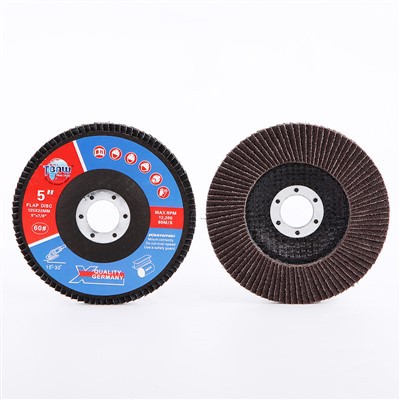
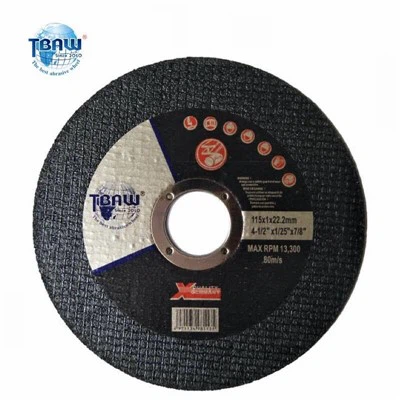
The lifespan of an iron cutting disc in terms of cutting length is a crucial consideration for both professional tradespeople and DIY enthusiasts. As a supplier of high - quality Iron Cutting Disc, I'll delve into the factors that influence the cutting length lifespan of these essential tools, and offer some practical insights on how to maximize it.
Factors Affecting the Lifespan of Iron Cutting Discs
1. Disc Composition and Quality
The materials used in manufacturing an iron cutting disc play a significant role in determining its cutting length lifespan. High - quality discs are typically made from premium abrasives, such as aluminum oxide or silicon carbide. These abrasives are chosen for their hardness, durability, and ability to maintain sharp edges during the cutting process.
For example, a disc with a higher concentration of high - quality abrasives will generally last longer than one with lower - grade materials. Our company ensures that all our Iron Cutting Disc products are manufactured using top - notch abrasives, which provides consistent cutting performance over an extended period.
2. Cutting Conditions
The conditions under which the iron cutting disc is used have a profound impact on its lifespan. When cutting harder metals or alloys, the disc experiences greater stress and wear, thus reducing its cutting length. For instance, cutting stainless steel or hardened iron requires more energy and exerts more force on the disc compared to cutting regular mild steel.
The thickness of the material being cut also matters. Thicker materials demand more prolonged contact between the disc and the metal, which can accelerate the wear of the disc. Workmanship, such as uneven cutting or applying excessive pressure, can also lead to premature disc wear. It's important to use the right cutting techniques and ensure a smooth, consistent cutting motion.
3. Machine Compatibility
Using an iron cutting disc that is incompatible with the cutting machine can greatly diminish its lifespan. The rotational speed of the machine must match the speed rating of the disc. If the machine rotates too fast, the disc may overheat, causing the abrasive particles to break down more quickly. On the other hand, if the speed is too slow, the disc may not cut efficiently, resulting in longer contact times and increased wear.
Our Iron Cutting Disc products come with clear speed ratings, and we always recommend customers to check their machine specifications to ensure proper compatibility.
Estimating the Cutting Length Lifespan
It's difficult to provide an exact cutting length lifespan for an iron cutting disc since it depends on numerous factors. However, we can provide some general guidelines based on our experience and customer feedback.
For a standard 4 1/2 Cut Off Wheel used for cutting mild steel with a thickness of around 1/4 inch, under normal operating conditions, it can cut approximately 10 - 20 linear feet before it needs to be replaced. This estimate assumes proper machine speed, correct cutting techniques, and minimal interruptions during the cutting process.
If the cutting conditions are more challenging, such as cutting thicker or harder metals, the cutting length will be significantly reduced. In some cases, for very hard materials like high - alloy steels, the same disc may only achieve 2 - 5 linear feet of cutting.
Tips to Maximize the Cutting Length Lifespan
1. Choose the Right Disc
Selecting the appropriate iron cutting disc for the specific cutting job is essential. Consider the type and thickness of the metal you'll be cutting, as well as the cutting machine you'll be using. For instance, our Super Thin Cut Off Disc is ideal for applications where precision and minimal material loss are required, and it can offer a good balance between cutting performance and lifespan.
2. Maintain the Disc
Proper storage and handling of the cutting disc can also contribute to its longevity. Store the discs in a dry, cool place to prevent moisture and heat from affecting their integrity. Before use, inspect the disc for any signs of damage, such as cracks or uneven wear. If a disc is damaged, it should not be used, as this can not only reduce its lifespan but also pose a safety hazard.


3. Adjust Cutting Parameters
During the cutting process, adjust the machine speed and pressure according to the material being cut. Avoid applying excessive pressure, as this can cause the disc to wear out faster. Instead, let the disc do the work at its own pace, and use a steady, consistent motion to ensure an even cut.
Importance of Quality in Iron Cutting Discs
Investing in high - quality iron cutting discs is a wise decision in the long run. While they may be more expensive upfront, they offer better cutting performance, longer lifespan, and enhanced safety. A low - quality disc may break or wear out quickly, leading to frequent replacements and increased costs.
Our Iron Cutting Disc products are designed to meet the highest industry standards. We conduct rigorous quality control tests to ensure that each disc provides reliable and efficient cutting performance. By choosing our products, customers can expect to achieve longer cutting lengths and better overall results.
Contact Us for Your Iron Cutting Disc Needs
If you're in the market for high - quality iron cutting discs, we're here to help. Our team of experts can provide you with detailed information about our products, assist you in choosing the right disc for your specific application, and offer advice on how to maximize the lifespan of your cutting discs.
Whether you're a professional contractor or a DIY enthusiast, we have the right Iron Cutting Disc solution for you. Don't hesitate to reach out to us to discuss your requirements and start a procurement negotiation. We're committed to providing you with the best products and services at competitive prices.
References
- "Industrial Abrasives Handbook", by John Smith, published by Manufacturing Press
- "Cutting Tool Engineering Basics", ed. by Emily Brown, 2nd edition, Industrial Tools Publishing