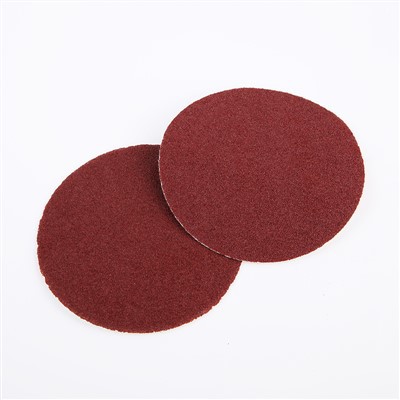
Hey there! As a supplier of small grinding wheels, I've seen firsthand how various factors can impact their performance. In this blog, I'm gonna break down the key elements that can make or break the effectiveness of these little but mighty tools.


Abrasive Material
The type of abrasive material used in a small grinding wheel is crucial. Different abrasives have different hardness, toughness, and cutting capabilities. For example, aluminum oxide is a common choice. It's relatively inexpensive and works well for grinding ferrous metals like steel. It has good self - sharpening properties, which means it can maintain its cutting edge for a decent amount of time.
On the other hand, silicon carbide is harder and more brittle than aluminum oxide. It's great for grinding non - ferrous metals, ceramics, and glass. Its high hardness allows it to cut through these materials more efficiently, but it might wear out faster when used on tougher ferrous metals.
We offer Abrasive Grinding Wheel with different abrasive materials to suit various applications. Whether you're working on a light - duty project or a heavy - duty industrial job, we've got the right wheel for you.
Grain Size
Grain size refers to the size of the individual abrasive particles in the wheel. A coarse - grained wheel has larger abrasive particles, which means it can remove material quickly. This is ideal for rough grinding, where you need to take off a significant amount of material in a short time. For example, if you're shaping a large piece of metal, a coarse - grained wheel will get the job done faster.
However, a fine - grained wheel has smaller abrasive particles. It's used for finishing operations, where you need a smooth surface finish. Fine - grained wheels are great for polishing and achieving a high - quality surface on your workpiece. When choosing a small grinding wheel, you need to consider the level of material removal and the desired surface finish. Our 4 1/2 Cut Off Wheel comes in different grain sizes to meet your specific needs.
Bond Type
The bond is what holds the abrasive grains together in the wheel. There are several types of bonds, each with its own characteristics. Vitrified bonds are very popular. They're made from a glass - like material and offer high strength and good heat resistance. Vitrified - bonded wheels can operate at high speeds and are suitable for a wide range of grinding applications.
Resinoid bonds, on the other hand, are more flexible. They're often used for applications where you need a wheel that can conform to the shape of the workpiece. Resinoid - bonded wheels are also good for cutting and grinding operations where heat generation needs to be minimized.
Rubber bonds are used for very fine finishing operations. They provide a smooth and gentle grinding action, making them ideal for applications where you don't want to damage the workpiece. The bond type you choose depends on the specific requirements of your grinding task.
Wheel Speed
The speed at which the grinding wheel rotates is another important factor. Every grinding wheel has a maximum recommended operating speed, which is usually marked on the wheel itself. Running the wheel at a speed higher than the recommended limit can be dangerous and can also cause the wheel to wear out prematurely or even break.
On the other hand, running the wheel at a speed that's too low may result in poor cutting performance. The abrasive grains may not be able to cut through the material effectively, leading to longer grinding times and a less - than - optimal surface finish. It's essential to match the wheel speed with the requirements of the grinding machine and the workpiece.
Workpiece Material
The material of the workpiece is a major factor in determining the performance of the small grinding wheel. Different materials have different hardness, toughness, and heat conductivity. For example, grinding stainless steel is different from grinding cast iron. Stainless steel is more ductile and tends to generate more heat during grinding. You need a wheel that can handle the heat and has good cutting ability to avoid clogging.
Cast iron, on the other hand, is more brittle and can be ground more easily in some cases. But it also produces a lot of dust, so you may need a wheel that can tolerate the dust and still maintain its cutting performance. Our Super Thin Cutting Wheel is designed to work well with a variety of workpiece materials, ensuring efficient and high - quality grinding.
Coolant and Lubrication
Using coolant or lubrication during grinding can significantly improve the performance of the small grinding wheel. Coolants help to reduce heat generation, which can prevent the wheel from overheating and wearing out quickly. They also flush away the chips and debris from the grinding area, keeping the wheel clean and ensuring a more efficient cutting action.
Lubricants, on the other hand, can reduce friction between the wheel and the workpiece. This not only improves the surface finish but also extends the life of the wheel. There are different types of coolants and lubricants available, and the choice depends on the type of grinding operation and the workpiece material.
Operator Skill
Last but not least, the skill of the operator plays a big role in the performance of the small grinding wheel. A skilled operator knows how to apply the right amount of pressure, control the speed, and choose the appropriate grinding technique. They can also detect any problems early on, such as abnormal wheel wear or poor cutting performance, and take corrective actions.
Proper training and experience are essential for operators to get the most out of the small grinding wheel. We always recommend that operators receive proper training before using our products to ensure safe and efficient operation.
In conclusion, there are many factors that can affect the performance of a small grinding wheel. From the abrasive material and grain size to the wheel speed and operator skill, each element plays a crucial role. As a supplier, we're committed to providing high - quality small grinding wheels that can meet the diverse needs of our customers.
If you're in the market for small grinding wheels, we'd love to have a chat with you. Whether you need advice on choosing the right wheel for your application or want to place an order, don't hesitate to reach out. We're here to help you get the best performance from your grinding operations.
References
- "Handbook of Abrasive Technology"
- "Grinding Technology: Theory and Applications of Machining with Abrasives"