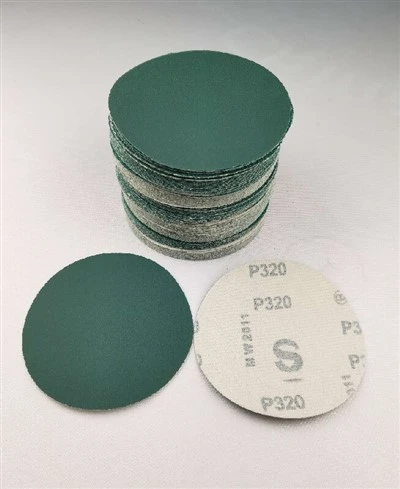
Hey there! As a supplier of stone cutting discs, I've been in the game for quite a while, and I've learned a thing or two about what makes a high - quality stone cutting disc. In this blog, I'll share with you the key features that you should look out for when you're in the market for one.
Abrasive Material
First up, let's talk about the abrasive material. This is like the heart of the stone cutting disc. The most common abrasive materials used in high - quality stone cutting discs are diamond and silicon carbide.
Diamond is a top - notch choice. It's the hardest known natural material, which means it can cut through the toughest stones with ease. Whether you're dealing with granite, marble, or quartz, a diamond - coated cutting disc will get the job done. It has excellent wear resistance, so it lasts a long time. You won't have to keep replacing it every few cuts.
Silicon carbide, on the other hand, is also a great option, especially for softer stones. It's a bit more affordable than diamond and can still provide a decent cutting performance. It works well on materials like sandstone and limestone.
If you're interested in high - quality abrasive wheels, you can check out our Grinder Abrasive Wheel.


Bonding Agent
The bonding agent is what holds the abrasive material together on the disc. A good bonding agent is crucial because it affects the disc's strength and durability.
Resin bonds are very popular in stone cutting discs. They offer a good balance between flexibility and strength. Resin - bonded discs can adapt to different cutting pressures and are less likely to break during use. They also provide a smooth cutting action, which is important for getting clean cuts on stones.
Another type of bonding agent is metal bond. Metal - bonded discs are extremely strong and can withstand high - pressure cutting. They're often used for heavy - duty applications where you need to cut through thick or hard stones. However, they can be a bit more brittle than resin - bonded discs.
Size and Thickness
The size and thickness of the stone cutting disc matter a lot. The size of the disc is usually determined by the diameter. You need to choose a disc size that is compatible with your cutting machine. A larger diameter disc can cover more area in a single cut, but it may also require a more powerful machine to operate.
Thickness is also important. A thicker disc is generally more durable and can handle more pressure. But it may also be heavier and slower to cut. A thinner disc, on the other hand, is lighter and can cut faster, but it may wear out more quickly.
When choosing the right size and thickness, you should consider the type of stone you're cutting and the cutting machine you're using.
Cutting Speed and Efficiency
A high - quality stone cutting disc should have a good cutting speed and efficiency. The cutting speed is affected by the abrasive material, the bonding agent, and the disc's design.
A disc with a sharp abrasive edge can cut through stones more quickly. And the bonding agent should allow the abrasive particles to be released at the right rate. If the bonding is too strong, the worn - out abrasive particles won't be released, and the cutting performance will decrease. If the bonding is too weak, the abrasive particles will fall off too easily, and the disc won't last long.
Efficiency is also about how much energy the disc uses to make a cut. A more efficient disc will require less power from your cutting machine, which can save you money on electricity in the long run.
Heat Resistance
Cutting stones generates a lot of heat. If the stone cutting disc can't handle the heat, it can warp, crack, or lose its cutting ability.
High - quality cutting discs are designed to be heat - resistant. They use special bonding agents and abrasive materials that can withstand high temperatures. Some discs also have ventilation holes or channels to help dissipate heat. This helps to keep the disc cool during cutting and extends its lifespan.
Safety Features
Safety is always a top priority when using any cutting tool. A good stone cutting disc should have some safety features.
For example, it should have a balanced design. An unbalanced disc can cause vibrations during cutting, which can be dangerous and also affect the quality of the cut. A balanced disc will run smoothly and reduce the risk of accidents.
Some discs also have reinforced edges to prevent them from breaking apart during use. This is especially important when you're cutting hard stones or using high - pressure cutting machines.
Application - Specific Design
Not all stone cutting discs are created equal. There are different types of discs for different applications.
If you're cutting aluminum, you'll need a Cut Off Wheels For Aluminum. These discs are designed to cut through aluminum without clogging or overheating.
For metal grinding, our Grinding Disc for Metal is a great choice. It's specifically made to handle the unique properties of metal and provide a smooth grinding finish.
In conclusion, a high - quality stone cutting disc should have the right abrasive material, a strong bonding agent, the appropriate size and thickness, good cutting speed and efficiency, heat resistance, safety features, and an application - specific design.
If you're in the market for a stone cutting disc and want to learn more about our products, feel free to reach out to us. We're always happy to help you find the perfect disc for your needs. Whether you're a professional stonemason or a DIY enthusiast, we've got the right cutting solution for you. Let's start a conversation and see how we can work together!
References
- Industry knowledge and experience from years of working as a stone cutting disc supplier.
- Research on the latest trends and technologies in the stone cutting industry.