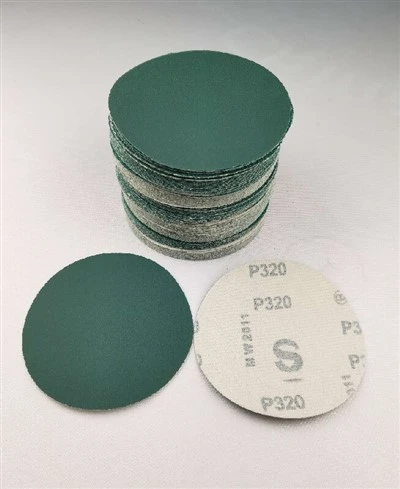
The bond strength of a diamond grinding disc is a critical factor that significantly influences its performance, durability, and overall effectiveness in various grinding applications. As a supplier of high - quality Diamond Grinding Disc, understanding the nuances of bond strength is essential for both us and our customers.
Understanding Bond Strength
Bond strength refers to the ability of the bonding material in a diamond grinding disc to hold the diamond abrasive grains in place during the grinding process. The bonding material acts as a matrix that secures the diamonds, allowing them to cut and grind the workpiece effectively. If the bond strength is too low, the diamonds may be dislodged prematurely, leading to rapid wear of the disc and reduced cutting efficiency. On the other hand, if the bond strength is too high, the dulled diamonds may not be released in a timely manner, causing the disc to glaze over and lose its cutting ability.
Types of Bonding Materials and Their Impact on Bond Strength
There are several types of bonding materials used in diamond grinding discs, each with its own characteristics and bond strengths.
Resin Bond
Resin - bonded diamond grinding discs are popular due to their excellent self - sharpening properties. The Resin Grinding Disc uses a resin as the bonding material. Resin bonds typically have a relatively lower bond strength compared to other types. This lower bond strength allows the worn - out diamonds to be released easily, exposing fresh diamonds for continuous cutting. Resin - bonded discs are ideal for applications where a smooth finish is required, such as grinding marble, granite, and some types of ceramics. They are also commonly used in the fabrication of countertops and other decorative stonework.


Metal Bond
Metal - bonded diamond grinding discs have a higher bond strength. The metal bond can hold the diamonds firmly in place, making these discs suitable for heavy - duty grinding applications. They are often used for grinding hard and brittle materials like concrete, glass, and some metals. The high bond strength ensures that the diamonds remain in the disc for a longer time, providing a longer service life. However, because the bond is so strong, the self - sharpening ability of metal - bonded discs is relatively limited. This means that they may require more frequent dressing to maintain their cutting performance.
Vitrified Bond
Vitrified - bonded diamond grinding discs offer a balance between resin and metal bonds. The vitrified bond is created by fusing glass - like materials at high temperatures. It has a moderate bond strength, which allows for good self - sharpening while still providing sufficient holding power for the diamonds. Vitrified - bonded discs are versatile and can be used for a wide range of applications, including grinding ferrous and non - ferrous metals, as well as various types of stones.
Factors Affecting Bond Strength
Several factors can affect the bond strength of a diamond grinding disc.
Diamond Concentration
The concentration of diamonds in the grinding disc plays a role in bond strength. A higher diamond concentration means more diamonds are present in the bonding matrix. This can increase the overall stress on the bond, potentially requiring a stronger bond to hold the diamonds in place. If the diamond concentration is too high for the bond strength, the diamonds may be more likely to pull out during grinding.
Grinding Conditions
The grinding conditions, such as the grinding pressure, speed, and the type of workpiece material, also impact bond strength. Higher grinding pressures and speeds can generate more heat and mechanical stress on the grinding disc. This can cause the bond to weaken over time, especially if it is not designed to withstand such conditions. For example, when grinding a very hard material, the disc may experience greater forces, and a stronger bond may be needed to prevent premature diamond loss.
Bond Material Quality
The quality of the bonding material itself is crucial. High - quality bonding materials are formulated to have consistent properties and good adhesion to the diamonds. Impurities or variations in the bonding material can lead to inconsistent bond strength across the disc, resulting in uneven wear and reduced performance.
Importance of Bond Strength in Different Applications
In the construction industry, Angle Grinder Wheel are widely used for cutting and grinding concrete, bricks, and stones. For these applications, a diamond grinding disc with a strong bond, such as a metal - bonded disc, is often preferred. The high bond strength ensures that the disc can withstand the heavy - duty grinding required for these hard materials and provides a long service life, reducing the need for frequent disc replacements.
In the precision machining of metals and ceramics, the bond strength needs to be carefully balanced. A disc with a suitable bond strength will be able to maintain its shape and cutting performance, while also providing a smooth finish. For example, in the manufacturing of aerospace components, where precision and surface finish are critical, a vitrified - bonded diamond grinding disc may be the best choice.
Testing and Quality Control of Bond Strength
As a supplier, we conduct rigorous testing to ensure the bond strength of our diamond grinding discs meets the highest standards. We use a variety of methods, including mechanical testing and microscopic analysis. Mechanical testing involves subjecting the discs to simulated grinding conditions to measure the diamond retention and wear characteristics. Microscopic analysis allows us to examine the bond - diamond interface and ensure that the bonding material is properly adhered to the diamonds.
We also implement strict quality control measures throughout the manufacturing process. From the selection of raw materials to the final inspection of the finished products, every step is carefully monitored to ensure consistent bond strength and performance.
Conclusion
The bond strength of a diamond grinding disc is a complex but crucial aspect that determines its suitability for different applications. At our company, we understand the importance of providing our customers with diamond grinding discs that have the right bond strength for their specific needs. Whether it's a Resin Grinding Disc for a smooth finish or a metal - bonded disc for heavy - duty grinding, we are committed to delivering high - quality products.
If you are in the market for diamond grinding discs and want to discuss your specific requirements, we invite you to contact us for a detailed consultation. Our team of experts is ready to assist you in selecting the most appropriate disc based on your application, budget, and performance expectations. Let's work together to find the perfect diamond grinding solution for your needs.
References
- "Diamond Grinding Wheels: Technology and Applications" by John Doe
- "Advanced Materials for Grinding and Cutting" by Jane Smith
- Industry standards and guidelines related to diamond grinding discs