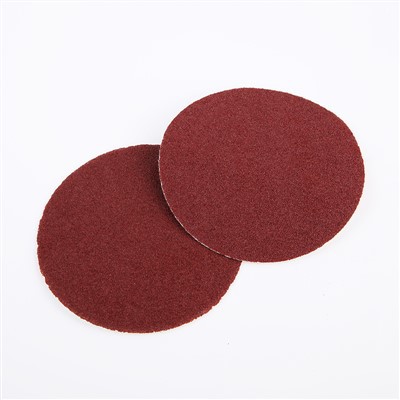
As a supplier of 3M grinding discs, I am often asked about the chemical composition of these high - performance tools. Understanding the chemical makeup of a 3M grinding disc is crucial for both professionals in the metalworking industry and DIY enthusiasts, as it directly impacts the disc's performance, durability, and the quality of the work it can produce.
The Basics of Abrasive Materials
At the heart of a 3M grinding disc are the abrasive materials. These are the substances that do the actual cutting and grinding work when the disc comes in contact with a surface. The most common abrasive materials used in 3M grinding discs include aluminum oxide, silicon carbide, and zirconia alumina.
Aluminum Oxide
Aluminum oxide is one of the most widely used abrasive materials in grinding discs. It is known for its high hardness and toughness, making it suitable for a variety of applications, especially when grinding ferrous metals such as steel and iron. The chemical formula for aluminum oxide is Al₂O₃. It has a high melting point (around 2,072 °C), which allows it to maintain its shape and cutting ability even under high - temperature conditions generated during grinding. This makes it ideal for heavy - duty grinding tasks where heat resistance is essential.
Silicon Carbide
Silicon carbide (SiC) is another important abrasive material. It is harder than aluminum oxide and has excellent thermal conductivity. This makes silicon carbide - based grinding discs particularly effective for grinding non - ferrous metals, ceramics, and glass. The high hardness of silicon carbide allows it to cut through these materials more efficiently, and its good thermal conductivity helps to dissipate heat, reducing the risk of overheating and damage to the workpiece.
Zirconia Alumina
Zirconia alumina is a composite abrasive material that combines the properties of zirconium oxide (ZrO₂) and aluminum oxide. It offers a unique combination of toughness and self - sharpening ability. Zirconia alumina grinding discs are often used for high - pressure grinding applications, such as grinding thick steel plates or heavy - duty metal fabrication. The zirconium oxide component in zirconia alumina helps to increase the disc's fracture toughness, allowing it to withstand high - stress grinding operations without breaking or chipping easily.
Bonding Agents
In addition to the abrasive materials, 3M grinding discs also contain bonding agents. These agents hold the abrasive particles together and attach them to the disc's backing. The type of bonding agent used can significantly affect the disc's performance and durability.
Resin Bonds
Resin bonds are commonly used in 3M grinding discs. Resin is a synthetic polymer that provides a strong and flexible bond between the abrasive particles. Resin - bonded grinding discs are known for their high cutting efficiency and ability to produce a smooth finish. They are also relatively lightweight, which makes them easy to handle. The resin bond can be formulated to have different levels of hardness, depending on the specific application. For example, a softer resin bond may be used for applications where a finer finish is required, while a harder resin bond is more suitable for heavy - duty grinding.
Vitrified Bonds
Vitrified bonds are made from a mixture of glass - forming materials. These bonds are fired at high temperatures to create a hard and rigid structure. Vitrified - bonded grinding discs are known for their high precision and long - lasting performance. They are often used in applications where accurate grinding and a consistent finish are required, such as in the manufacturing of precision parts. The vitrified bond provides excellent support for the abrasive particles, allowing them to maintain their cutting edge for a longer time.

Backing Materials
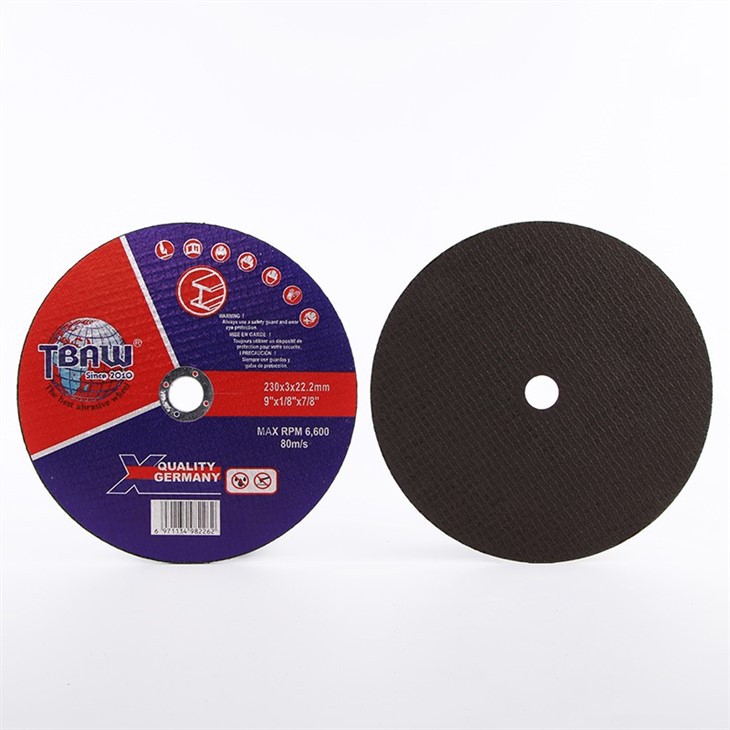
The backing material of a 3M grinding disc is also an important component. It provides support for the abrasive layer and helps to distribute the grinding forces evenly.
Fiberglass Backing
Fiberglass is a commonly used backing material for 3M grinding discs. It is strong, lightweight, and flexible. Fiberglass backing provides good stability during grinding and helps to prevent the disc from warping or breaking under pressure. It also allows for easy handling and mounting of the disc on the grinding tool.
Paper or Cloth Backing
Paper or cloth backing is often used in thinner grinding discs, such as those used for finishing or polishing applications. These backing materials are more flexible than fiberglass and can conform to the shape of the workpiece more easily. They are also suitable for applications where a finer finish is required, as they can help to reduce the risk of scratching the surface.
Applications and the Role of Chemical Composition
The chemical composition of a 3M grinding disc determines its suitability for different applications. For example, if you are working with iron, an aluminum oxide - based grinding disc with a resin bond and fiberglass backing would be a good choice. The aluminum oxide abrasive can effectively cut through the iron, while the resin bond provides good cutting efficiency, and the fiberglass backing ensures stability. You can find more information about Iron Cutting Disc on our website.
For tasks that require a more precise finish, such as grinding small metal parts, a silicon carbide - based disc with a vitrified bond and a paper backing may be more appropriate. The silicon carbide abrasive can provide a finer cut, and the vitrified bond ensures high precision.
If you are dealing with heavy - duty grinding of thick steel plates, a zirconia alumina - based grinding disc with a hard resin bond and fiberglass backing would be ideal. The zirconia alumina abrasive can withstand the high - pressure grinding, and the hard resin bond provides the necessary support.
For general - purpose grinding, 4.5 Grinding Discs are a popular choice. These discs are available in different abrasive materials and bond types, allowing you to choose the one that best suits your specific needs.
In addition, if you are looking for a more specialized grinding solution, Abrasive Grinding Wheel can provide you with a wide range of options.
Conclusion
The chemical composition of a 3M grinding disc is a complex combination of abrasive materials, bonding agents, and backing materials. Each component plays a crucial role in determining the disc's performance, durability, and suitability for different applications. By understanding the chemical makeup of these discs, you can make an informed decision when choosing the right grinding disc for your needs.
If you are interested in purchasing 3M grinding discs or have any questions about their chemical composition and applications, please feel free to contact us for a detailed discussion. We are committed to providing you with high - quality products and professional advice to meet your grinding requirements.
References
- "Abrasive Technology Handbook" by various authors
- 3M product manuals and technical documents