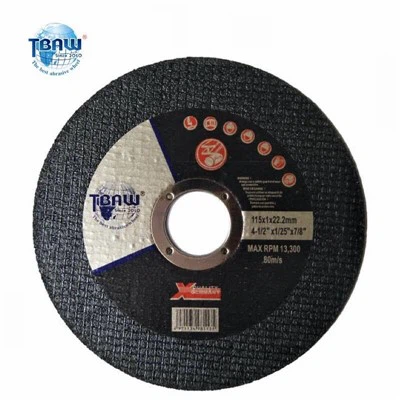
Hey there! As a Cut Off Disc supplier, I often get asked about the difference between dry-cutting and wet-cutting cut off discs. So, I thought I'd break it down in this blog post to help you understand which one is right for your needs.
First off, let's talk about what cut off discs are. Cut off discs, also known as Cut-off Wheel, are thin, circular abrasive discs used for cutting through various materials like metal, stone, and concrete. They come in different sizes, shapes, and abrasive materials to suit different cutting applications.
Dry-Cutting Cut Off Discs
Dry-cutting cut off discs are the most commonly used type. They're designed to be used without any additional coolant or lubricant. Here are some of the key features and benefits of dry-cutting discs:
- Convenience: One of the biggest advantages of dry-cutting discs is their convenience. You can use them right out of the box without having to worry about setting up a coolant system. This makes them a great choice for on-the-go jobs or when you don't have access to water.
- Fast Cutting: Dry-cutting discs are generally faster than wet-cutting discs. The dry cutting process generates more heat, which can actually help to soften the material being cut, making it easier and quicker to slice through.
- Portability: Since you don't need a water supply, dry-cutting discs are highly portable. You can take them to different job sites without any hassle.
However, dry-cutting also has its drawbacks:
- Heat Build-Up: The lack of coolant means that dry-cutting generates a lot of heat. This can cause the disc to wear out faster and may also damage the material being cut, especially if it's heat-sensitive.
- Dust Generation: Cutting without water creates a significant amount of dust. This can be a health hazard if inhaled, so it's important to wear proper respiratory protection when using dry-cutting discs.
Wet-Cutting Cut Off Discs
Wet-cutting cut off discs, on the other hand, require a continuous supply of water or coolant during the cutting process. Here are the pros and cons of wet-cutting:
- Cooling and Lubrication: The main advantage of wet-cutting is the cooling and lubrication provided by the water. This helps to reduce heat build-up, extending the life of the disc and minimizing the risk of material damage.
- Reduced Dust: The water also helps to suppress dust, creating a cleaner and safer working environment. This is especially important when cutting materials like concrete or stone, which can produce a lot of harmful dust particles.
- Precision Cutting: Wet-cutting can sometimes result in a more precise cut, as the cooling effect helps to prevent the material from warping or deforming.
But wet-cutting isn't without its challenges:
- Setup and Maintenance: Using wet-cutting discs requires a water supply and a proper drainage system. This can be more complicated and time-consuming to set up compared to dry-cutting.
- Slower Cutting Speed: The presence of water can slow down the cutting process slightly, as it creates a bit of resistance between the disc and the material.
Applications
The choice between dry-cutting and wet-cutting also depends on the specific application. Here are some common scenarios where each type of disc is preferred:
-
Dry-Cutting Applications:
- General metal fabrication: When cutting through steel, aluminum, or other metals, dry-cutting discs are often the go-to choice. They're fast and convenient for most metalworking tasks.
- Automotive repair: Mechanics often use dry-cutting discs to cut through metal parts during car repairs.
- Small DIY projects: If you're working on a home improvement project and don't have access to a water supply, dry-cutting discs are a practical option.
-
Wet-Cutting Applications:

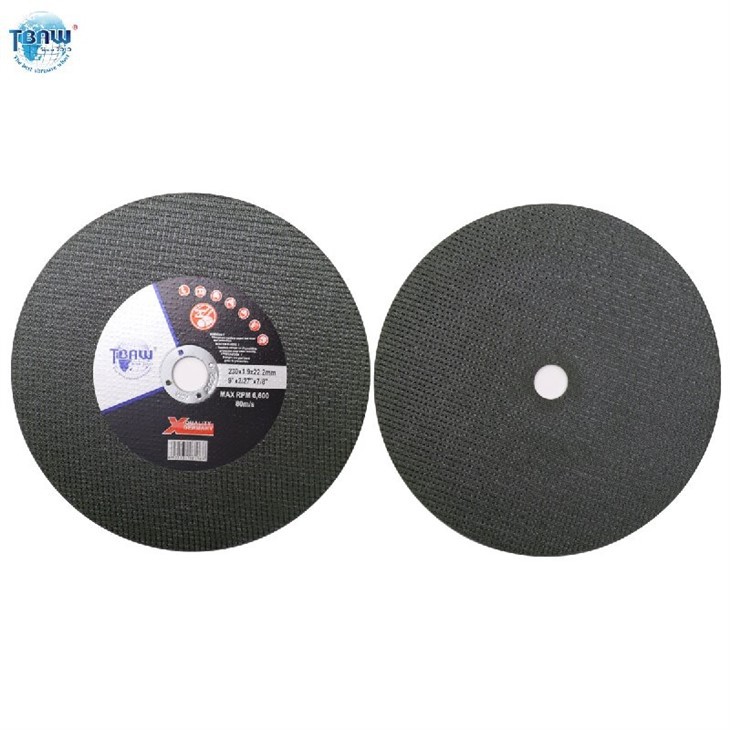
- Concrete and stone cutting: Wet-cutting is essential when working with concrete, masonry, or natural stone. The cooling and dust suppression properties of water are crucial for these materials.
- Precision cutting: When you need a high level of accuracy, such as cutting tiles or glass, wet-cutting can help you achieve a cleaner and more precise cut.
- Cutting heat-sensitive materials: If you're cutting materials that are easily damaged by heat, like some plastics or certain alloys, wet-cutting is a better option.
Our Product Range
As a Cut Off Disc supplier, we offer a wide range of Cut Off Disc , including both dry-cutting and wet-cutting options. Our Multi-function Cutting Disk is designed to handle multiple materials, making it a versatile choice for various applications. We also have Depressed Cutting Disk and Flat Center Cutting Wheel to meet different cutting needs.
All our cut off discs are made from high-quality abrasive materials and are engineered for durability and performance. Whether you're a professional contractor or a DIY enthusiast, we have the right disc for you.
Conclusion
In conclusion, the choice between dry-cutting and wet-cutting cut off discs depends on several factors, including the material you're cutting, the level of precision required, and the working conditions. Dry-cutting discs are convenient and fast, but they generate more heat and dust. Wet-cutting discs offer better cooling and dust suppression, but they require more setup and may be slower.
If you're still not sure which type of disc is right for your project, feel free to reach out to us. We're here to help you make the best choice and ensure that you get the most out of your cutting tools. Whether you need advice on product selection or have any other questions, don't hesitate to contact us for a friendly chat. We look forward to discussing your cutting needs and helping you find the perfect solution.
References
- "Cutting Tools Handbook" - A comprehensive guide to different cutting tools and their applications.
- Industry research papers on abrasive cutting technology.