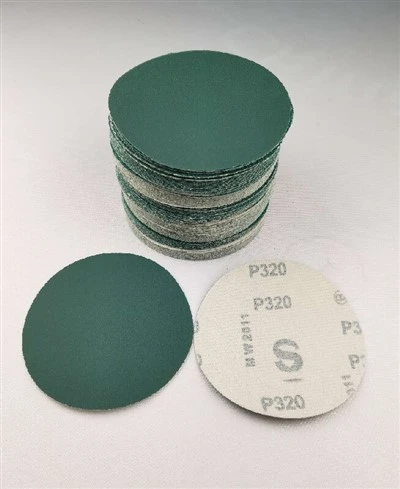
Hey there! As a grinding disc supplier, I've had my fair share of experiences and questions from customers. One question that pops up quite often is about the noise level when using a grinding disc. So, I thought I'd dive into this topic and share what I know.
First off, let's talk about what causes the noise in the first place. When you're using a grinding disc, it's basically friction at work. The disc spins at high speeds and rubs against the material you're working on. This friction creates vibrations, and those vibrations travel through the air as sound waves, which we perceive as noise.
The noise level can vary a lot depending on several factors. One of the biggest factors is the type of grinding disc you're using. For example, a Long Life Grinding Wheel might have a different noise profile compared to a Resin Grinding Disc. Long - life grinding wheels are often designed for heavy - duty applications and might spin at higher speeds, which could potentially lead to louder noise. On the other hand, resin grinding discs are known for their flexibility and might produce a bit less noise due to their composition.
The material you're grinding also plays a huge role. If you're grinding a hard material like metal, the disc has to work harder to break through it. This means more friction and more noise. Soft materials like wood or plastic usually result in less noise because they're easier to grind.
Another factor is the condition of the grinding disc. A worn - out or damaged disc can cause uneven grinding, which leads to irregular vibrations and louder noise. It's always a good idea to check your disc regularly for signs of wear and tear and replace it when necessary.
The equipment you're using to hold the grinding disc, like an angle grinder, can also affect the noise level. A well - maintained Angle Grinder Wheel in a high - quality angle grinder will generally produce a more consistent and perhaps less noisy grinding experience compared to a cheap or poorly maintained setup.
Now, let's get into some numbers. The noise level is measured in decibels (dB). In a typical workshop environment, when using a grinding disc, the noise level can range anywhere from 80 dB to 110 dB. To put that in perspective, normal conversation is around 60 dB. At 80 dB, it's like being in a busy city street. Once you hit 110 dB, it's as loud as a rock concert.
Exposure to high noise levels for extended periods can be really bad for your hearing. It can cause permanent hearing loss, tinnitus (that annoying ringing in the ears), and other health issues. That's why it's super important to take precautions when using a grinding disc.
One of the simplest things you can do is wear hearing protection. Earplugs or earmuffs are great options. They can reduce the noise level you're exposed to by a significant amount. You should also make sure your workspace is well - ventilated. Sometimes, the noise can bounce off walls and other surfaces, making it seem even louder. Good ventilation can help disperse the sound.
If you're running a workshop, you might also want to consider using noise - reducing enclosures around your grinding equipment. These enclosures can absorb a lot of the sound waves and keep the noise from spreading throughout the workspace.
As a grinding disc supplier, I understand that you want the best performance from your discs without having to deal with excessive noise. That's why we offer a wide range of grinding discs that are designed to be as quiet as possible without sacrificing quality. Our Long Life Grinding Wheel is engineered to provide a smooth and relatively quiet grinding experience, even in tough applications. The Resin Grinding Disc is another great option. Its unique resin composition helps dampen vibrations, resulting in less noise. And our Angle Grinder Wheel is made with precision to ensure a balanced and quiet operation.


If you're in the market for grinding discs and want to learn more about how we can help you reduce noise in your workspace, don't hesitate to reach out. Whether you're a professional in a large workshop or a DIY enthusiast working on a home project, we've got the right grinding discs for you. We can offer advice on the best disc for your specific needs and answer any questions you might have about noise levels or other aspects of grinding.
In conclusion, the noise level when using a grinding disc is influenced by many factors, including the type of disc, the material being ground, and the condition of the equipment. But with the right precautions and the right grinding discs, you can minimize the noise and still get the job done efficiently. So, if you're looking for high - quality grinding discs that can help you keep the noise down, give us a shout. We're here to help you find the perfect solution for your grinding needs.
References
- OSHA (Occupational Safety and Health Administration) guidelines on noise exposure in the workplace.
- Industry research on the performance and noise characteristics of different types of grinding discs.