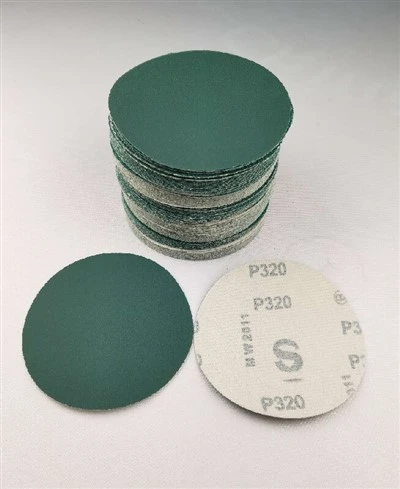
When it comes to using Resion Cutting Discs, one of the most commonly asked questions is about the recommended cutting pressure. As a supplier of Resion Cutting Discs, I've encountered this query numerous times from both professionals and DIY enthusiasts. In this blog post, I'll delve into the factors that influence the ideal cutting pressure for Resion Cutting Discs and provide some guidelines to help you achieve the best results.
Understanding the Basics of Cutting Pressure
Cutting pressure refers to the force applied to the cutting disc during the cutting process. It plays a crucial role in determining the efficiency, quality, and safety of the cutting operation. Too much pressure can lead to premature wear of the disc, overheating, and even breakage, while too little pressure may result in slow cutting speeds and poor cutting quality.
The optimal cutting pressure depends on several factors, including the type of material being cut, the thickness of the material, the diameter and type of the cutting disc, and the power of the cutting tool. Let's take a closer look at each of these factors.
Factors Affecting the Recommended Cutting Pressure
Material Type
Different materials have different hardness and density, which directly affect the cutting pressure required. For example, cutting through soft materials like aluminum or wood requires less pressure compared to cutting through hard materials like steel or concrete. When cutting soft materials, a light to moderate pressure is usually sufficient to achieve a clean and efficient cut. On the other hand, cutting hard materials may require more force to penetrate the material effectively.
Material Thickness
The thickness of the material also plays a significant role in determining the cutting pressure. Thicker materials generally require more pressure to cut through compared to thinner materials. As the thickness increases, the cutting disc needs to work harder to remove the material, and thus, more force is needed. It's important to adjust the cutting pressure accordingly to ensure a smooth and efficient cutting process.
Cutting Disc Diameter and Type
The diameter and type of the cutting disc are important factors to consider when determining the cutting pressure. Larger diameter discs typically require more pressure to operate effectively, as they cover a larger area and need to remove more material. Additionally, different types of cutting discs are designed for specific applications and materials. For example, Grinding Disc for Steel is specifically designed for cutting and grinding steel, and it may require a different cutting pressure compared to a Diamond Cut Off Wheels used for cutting hard materials like concrete or stone.


Cutting Tool Power
The power of the cutting tool also affects the recommended cutting pressure. A more powerful cutting tool can generate more force, allowing for higher cutting pressures. However, it's important to note that using too much pressure with a high-power tool can still lead to problems such as disc breakage or overheating. It's essential to find the right balance between the tool's power and the cutting pressure to ensure safe and efficient operation.
Recommended Cutting Pressure Guidelines
Based on the factors mentioned above, here are some general guidelines for the recommended cutting pressure when using Resion Cutting Discs:
Soft Materials (e.g., Aluminum, Wood)
- For thin sheets of soft materials (less than 1/8 inch thick), a light pressure of around 5 - 10 pounds per square inch (psi) is usually sufficient.
- For thicker sheets of soft materials (1/8 inch to 1/4 inch thick), a moderate pressure of 10 - 15 psi may be required.
Hard Materials (e.g., Steel, Concrete)
- For thin sheets of hard materials (less than 1/8 inch thick), a moderate pressure of 15 - 20 psi is recommended.
- For thicker sheets of hard materials (1/8 inch to 1/4 inch thick), a higher pressure of 20 - 30 psi may be necessary.
- For very thick materials (over 1/4 inch thick), it's best to consult the manufacturer's guidelines or seek professional advice to determine the appropriate cutting pressure.
It's important to note that these are just general guidelines, and the actual cutting pressure may vary depending on the specific circumstances of the cutting operation. Always refer to the manufacturer's instructions and recommendations for the Resion Cutting Disc you are using.
Tips for Applying the Right Cutting Pressure
Here are some tips to help you apply the right cutting pressure and achieve the best results:
- Start with a light pressure: When starting a new cutting job, begin with a light pressure and gradually increase it as needed. This allows you to assess the cutting performance and adjust the pressure accordingly.
- Maintain a consistent pressure: Try to maintain a consistent cutting pressure throughout the cutting process. Avoid applying sudden or excessive pressure, as this can cause the disc to overheat or break.
- Use the right cutting technique: Use a smooth and steady cutting motion to ensure a clean and efficient cut. Avoid jerking or pushing the cutting tool too hard, as this can also lead to problems.
- Monitor the cutting process: Pay close attention to the cutting process and watch for signs of overheating, excessive wear, or other issues. If you notice any problems, stop the cutting operation immediately and adjust the pressure or replace the cutting disc if necessary.
Conclusion
Determining the recommended cutting pressure for Resion Cutting Discs is essential for achieving optimal cutting performance, efficiency, and safety. By considering the factors such as material type, thickness, disc diameter and type, and cutting tool power, you can select the appropriate cutting pressure for your specific application. Remember to follow the manufacturer's guidelines and recommendations, and always use the right cutting technique to ensure a successful cutting operation.
If you're interested in purchasing Resion Cutting Discs or have any questions about the recommended cutting pressure, please feel free to contact us. We're here to help you find the right cutting solution for your needs.
References
- Manufacturer's instructions for Resion Cutting Discs
- Industry standards and best practices for cutting operations