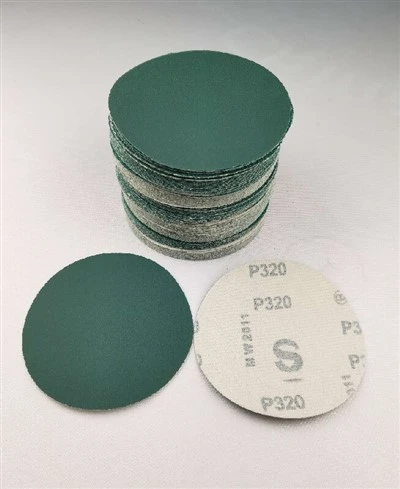
Hey there! I'm a supplier of Resion Abrasive Discs, and I've been in this industry for quite some time. One question that often comes up is how these abrasive discs wear over time. In this blog, I'll share my insights based on my experience and some scientific knowledge.
Understanding the Basics of Resion Abrasive Discs
First off, let's talk about what Resion Abrasive Discs are. These discs are used for a variety of cutting and grinding tasks. They're made up of abrasive grains bonded together, and the type of abrasive and the bonding material can vary depending on the specific application. For example, Iron Cutting Disk is designed specifically for cutting iron, while Grinder Abrasive Wheel is used for grinding.
Factors Affecting the Wear of Resion Abrasive Discs
There are several factors that can affect how a Resion Abrasive Disc wears over time.
1. Workpiece Material
The material of the workpiece is a major factor. If you're cutting or grinding a hard material like steel, the abrasive disc will wear out faster compared to a softer material. For instance, when using a Steel Abrasive Wheel on a high - strength steel workpiece, the abrasive grains have to work harder to remove material, which leads to more rapid wear.
2. Cutting or Grinding Speed
The speed at which the abrasive disc rotates also plays a role. Higher speeds generally increase the rate of wear. When the disc spins at a high speed, the abrasive grains come into contact with the workpiece more frequently and with greater force. This can cause the grains to break off or become dull more quickly. However, if the speed is too low, the disc may not cut or grind effectively, and it can also lead to uneven wear.
3. Pressure Applied
The amount of pressure you apply when using the abrasive disc matters. Excessive pressure can cause the disc to wear out prematurely. When you press too hard, the abrasive grains are forced to work harder, and they can break or be torn from the bonding material. On the other hand, if you apply too little pressure, the disc may not cut or grind properly, and it can also result in uneven wear.
4. Environmental Conditions
The environment in which the abrasive disc is used can affect its wear. For example, in a dusty environment, the dust can get between the abrasive grains and the workpiece, causing additional friction and wear. Also, high humidity can affect the bonding material, making it less effective and leading to faster wear.
Stages of Wear in Resion Abrasive Discs
The wear of a Resion Abrasive Disc typically goes through three main stages.
1. Initial Wear
When you first start using a new abrasive disc, there's an initial wear phase. During this stage, the outermost layer of the abrasive grains is removed. This is a normal process as the disc gets "broken in" and starts to adapt to the cutting or grinding task. The initial wear can be quite rapid, but it usually levels off after a short period.
2. Steady - State Wear
After the initial wear, the disc enters a steady - state wear phase. In this stage, the wear rate is relatively constant. The abrasive grains are gradually worn down as they remove material from the workpiece. The disc continues to perform its cutting or grinding function effectively during this phase. However, as the wear progresses, the performance of the disc may start to decline slightly.
3. Final Wear
In the final wear stage, the abrasive disc has worn down to a point where it can no longer perform its function properly. The abrasive grains are either completely worn away or have become so dull that they can't cut or grind effectively. At this point, the disc needs to be replaced.
How to Monitor the Wear of Resion Abrasive Discs
It's important to monitor the wear of your Resion Abrasive Discs to ensure safe and efficient operation. One way to do this is by visually inspecting the disc regularly. Look for signs of uneven wear, such as grooves or uneven surfaces. You can also check the thickness of the disc. If the disc has worn down to a certain thickness, it's time to replace it.
Another method is to pay attention to the performance of the disc. If you notice that the cutting or grinding speed has decreased, or if the disc is producing more heat than usual, these could be signs of excessive wear.
Extending the Lifespan of Resion Abrasive Discs
There are several things you can do to extend the lifespan of your Resion Abrasive Discs.
1. Use the Right Disc for the Job
Make sure you're using the appropriate abrasive disc for the specific workpiece and task. For example, if you're cutting stone, use a Grinding Cut Off Disc designed for stone cutting. Using the wrong disc can lead to faster wear and poor performance.


2. Maintain the Right Speed and Pressure
As mentioned earlier, the cutting or grinding speed and the pressure applied are crucial. Follow the manufacturer's recommendations for the optimal speed and pressure for your abrasive disc. This will help ensure even wear and a longer lifespan.
3. Keep the Disc Clean
Regularly clean the abrasive disc to remove any dust or debris. This will prevent the build - up of material that can cause additional wear. You can use a brush or compressed air to clean the disc.
Conclusion
In conclusion, the wear of Resion Abrasive Discs is influenced by various factors such as the workpiece material, cutting or grinding speed, pressure applied, and environmental conditions. Understanding the stages of wear and how to monitor and extend the lifespan of these discs is essential for anyone using them.
If you're in the market for high - quality Resion Abrasive Discs or have any questions about their wear and performance, don't hesitate to reach out. We're here to help you make the right choice for your cutting and grinding needs.
References
- Industry knowledge and experience in the abrasive disc supply business.
- General scientific literature on abrasive materials and their wear mechanisms.